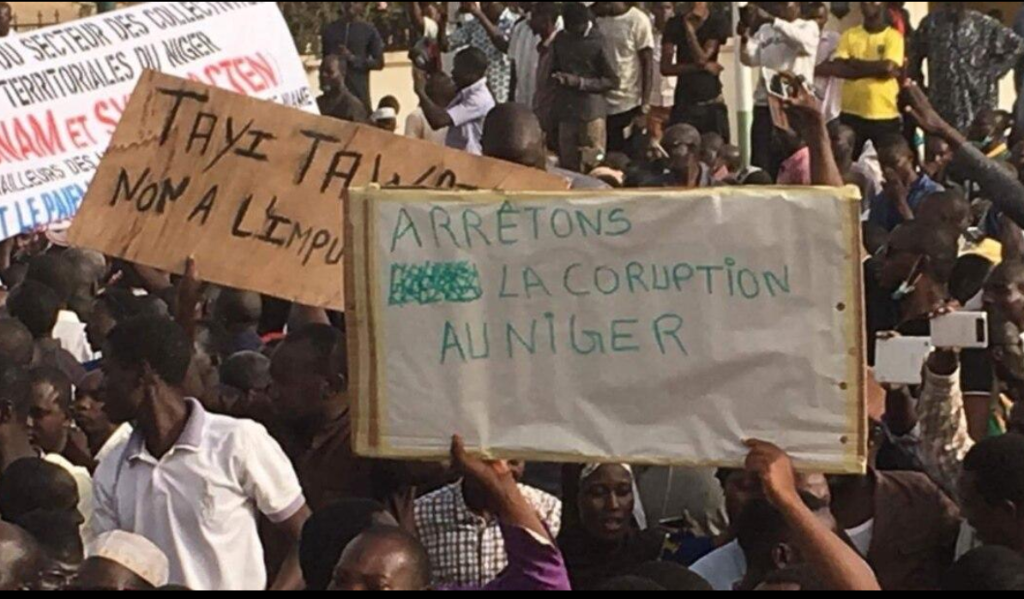
The announcement carries unprecedented financial stakes. With the World Bank preparing to inject an additional $760 million into Niger, the real question is no longer about the amount—but whether the country’s institutions can guarantee transparent, accountable management of these funds. The stakes could not be higher: a 2025 budget transparency score of just 6 out of 100 places Niger among the global worst performers, raising urgent concerns about governance credibility just as new financing is being negotiated.
Why the world’s lowest transparency score matters now
The drop from 33 to 6 on the International Budget Partnership’s Open Budget Survey within two years is more than a statistical alarm—it signals a systemic breakdown in financial governance. With zero scores recorded for both citizen participation and budget oversight, the mechanisms that should allow ordinary Nigeriens to track public spending have effectively collapsed. This erosion occurs precisely when Niamey is finalizing negotiations for a landmark funding package that could reshape the nation’s infrastructure, agriculture, and water sectors for decades to come.
The proposed financing targets three critical deficits: an electricity grid struggling to meet demand, irrigation systems unable to support food security, and water networks that leave rural communities vulnerable. Yet the paradox is striking: a country seeking sovereign economic development is simultaneously dismantling the very structures that would allow citizens to hold authorities accountable for how every dollar is spent.
Civil society silenced, oversight gaps exposed
The erosion of transparency coincides with what independent observers describe as the most restrictive environment for civic voices in recent memory. Independent media outlets report growing censorship, while several nongovernmental organizations have faced suspension or forced withdrawal of operational permits. These developments directly weaken the ecosystem of accountability that international donors—including the World Bank—claim to prioritize in their funding agreements.
Investigative journalism, once a pillar of democratic scrutiny, now operates under heightened risk. Civil society organizations that traditionally document procurement irregularities or mismanagement find their access to public information systematically blocked. Without such watchdogs, the risk multiplies that public funds will be diverted, inflated, or misallocated—precisely the scenarios that transparency mechanisms aim to prevent.
Who will oversee the $760 million? The accountability imperative
Before any funds are disbursed, Niger’s government must publish binding frameworks: clear allocation of the $760 million across sectors, project rosters, loan terms for reimbursable components, and transparent bidding processes. Every contract, audit report, and beneficiary list should be accessible in open data formats with no proprietary restrictions. Regular, independent audits—not conducted by government-controlled bodies—must be scheduled in advance and published without delay.
The World Bank, too, carries a dual responsibility. It must enforce its own anti-corruption safeguards while ensuring that funding agreements mandate citizen oversight committees, accessible public hearings, and quarterly progress portals. Simply disbursing capital without verifiable channels for public scrutiny would contradict the institution’s stated commitment to inclusive development and risk undermining trust in multilateral finance across the Sahel.
Sovereignty cannot mean unchecked power
Niger’s leaders frame economic sovereignty as a cornerstone of national resilience. True sovereignty, however, demands more than rejecting foreign influence—it requires uncompromising internal accountability. A government that centralizes financial power while silencing dissent effectively transfers the burden of dependence from external creditors to unsupervised domestic elites. This is not autonomy; it is opacity disguised as independence.
The 760 million dollars could electrify villages, green the desert, and secure water access for millions. But without verifiable transparency and active civic participation, these funds risk becoming yet another chapter in the cycle of resource abundance without tangible benefit to the people. The window for Niger to reverse its transparency freefall is closing fast. The real test of sovereignty will not be how much money arrives in Niamey’s coffers—but whether every citizen can trace every dollar to its intended impact.