The Sahel’s border crisis: can Malian and Burkinabe juntas break the jihadist stalemate?
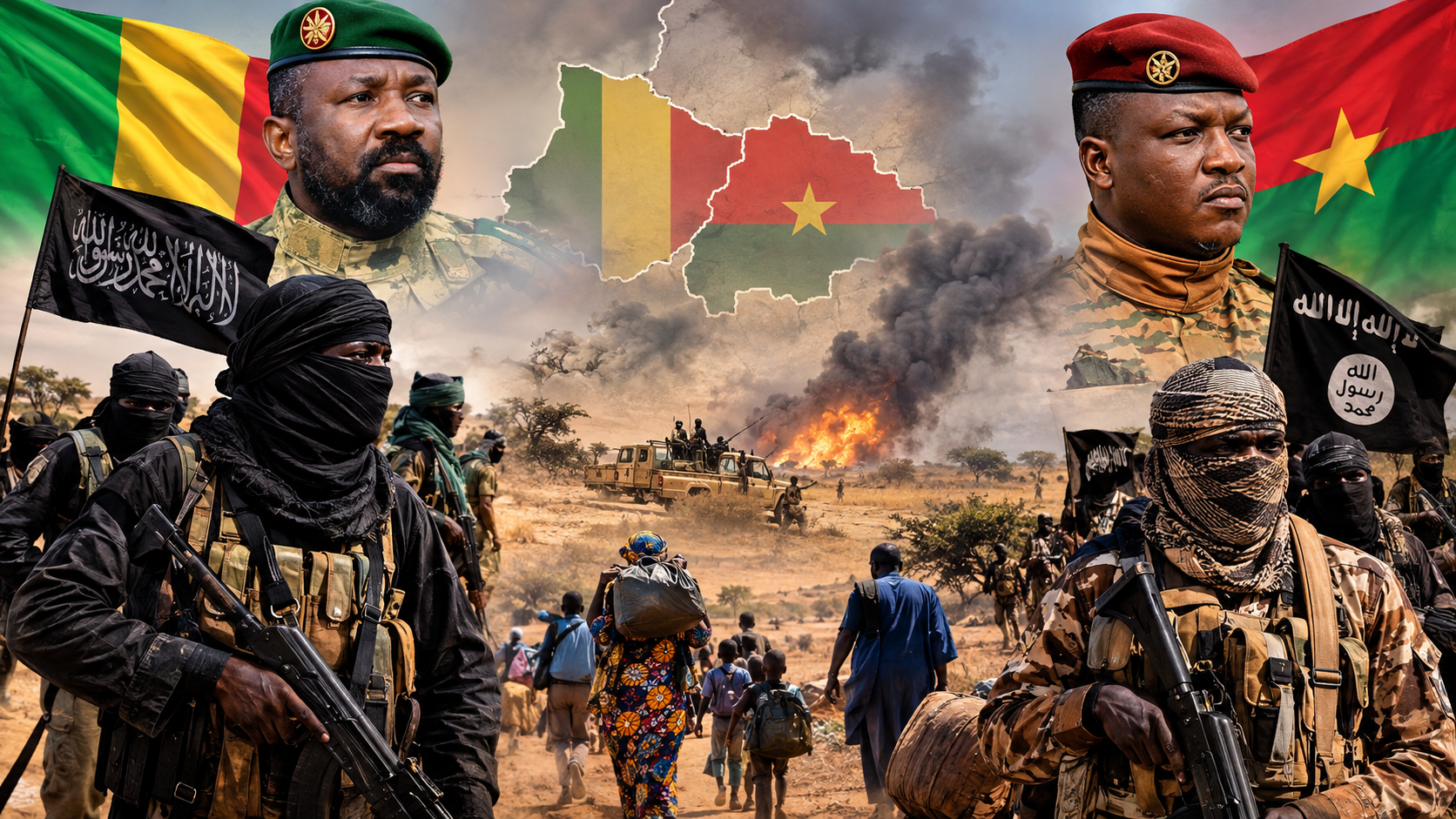
As the sun sets over the arid expanse of the Mali-Burkina Faso frontier, the echoes of gunfire no longer belong solely to clashes between state forces and extremist factions. Increasingly, they signify a new front in a worsening conflict: direct confrontations between rival jihadist organisations. The fighting between the Group for the Support of Islam and Muslims (JNIM), affiliated with Al-Qaeda, and the Islamic State in the Sahel (EIS) has escalated, casting doubt on whether military juntas in both countries can ever fulfill their founding pledge to restore sovereignty and security.
From promises of stability to open warfare: what went wrong?
The juntas in Mali and Burkina Faso rose to power promising decisive action against jihadist insurgencies that had torn through vast regions. After seizing control in Bamako and Ouagadougou respectively, their leaders pledged to reclaim lost territories, protect civilians, and dismantle armed groups threatening state control. Yet today, large sections of the Sahel remain lawless battlegrounds where no single force holds ultimate authority.
Nowhere is this more evident than along the 1,000-kilometre border between Mali and Burkina Faso. Previously overlooked as a secondary front, this zone has become a flashpoint where the JNIM and the EIS vie for dominance. Their clashes are not merely collateral to counterterrorism efforts they are strategic battles for influence, resources, and population control.
Civilian communities caught in the crossfire face a triple threat: indiscriminate violence, forced displacement, and the collapse of essential services. Schools close, markets shutter, and families flee under cover of night, knowing that neither the Malian nor Burkinabe state can guarantee their safety.
A shifting battlefield: why military power isn’t enough
The failures of junta-led security strategies lie not in a lack of effort, but in the limitations of conventional warfare in combating an adaptive, decentralised enemy. The military campaigns launched under Captain Ibrahim Traoré in Burkina Faso and Colonel Assimi Goïta in Mali have deployed air strikes, ground offensives, and rapid-response units. These operations have yielded tactical gains, yet they have failed to prevent the JNIM and EIS from regrouping, rearming, and refocusing their campaigns.
What distinguishes this conflict from earlier insurgencies is the intensity of internecine warfare among jihadist factions. The JNIM, once dominant in central Sahel regions, now faces a determined challenge from the EIS, which has expanded its territorial control and recruitment base. The result is a fragmented landscape where no single jihadist group can claim unchallenged authority yet none can be defeated outright.
For the juntas, the paradox is stark. While they consolidate power through political rhetoric and symbolic gestures of sovereignty, their armies remain unable to secure the very borderlands that define the nation’s integrity. This creates a credibility gap that threatens not only their legitimacy but the very idea of statehood in these zones.
What will it take to restore peace in the border regions?
Rebuilding security in the borderlands demands more than firepower. It requires a holistic approach that aligns military action with civil administration, community protection, and intelligence-led counterterrorism. Without sustained state presence, durable ceasefires between rival factions are impossible to enforce.
Civilian protection must become a priority. This includes the establishment of safe zones, provision of humanitarian aid, and support for local self-defence initiatives where state forces are absent. Intelligence networks must penetrate deep into jihadist networks, not only to anticipate attacks but to exploit internal divisions between rival groups.
The strategic dilemma facing Mali and Burkina Faso
As the JNIM and EIS continue their lethal rivalry, the juntas face an existential question: can they ever achieve the territorial sovereignty they promised, or will the borderlands remain perpetual theatres of extremist warfare?
For millions of Malians and Burkinabés living under constant threat, the answer holds life-and-death consequences. For the juntas themselves, the stakes are no less critical. They entered power on a wave of popular hope, vowing to end the chaos that preceded them. If they cannot deliver on that promise, their legitimacy and the very future of their nations will hang in the balance.
By AMINA SALEY — Journalist