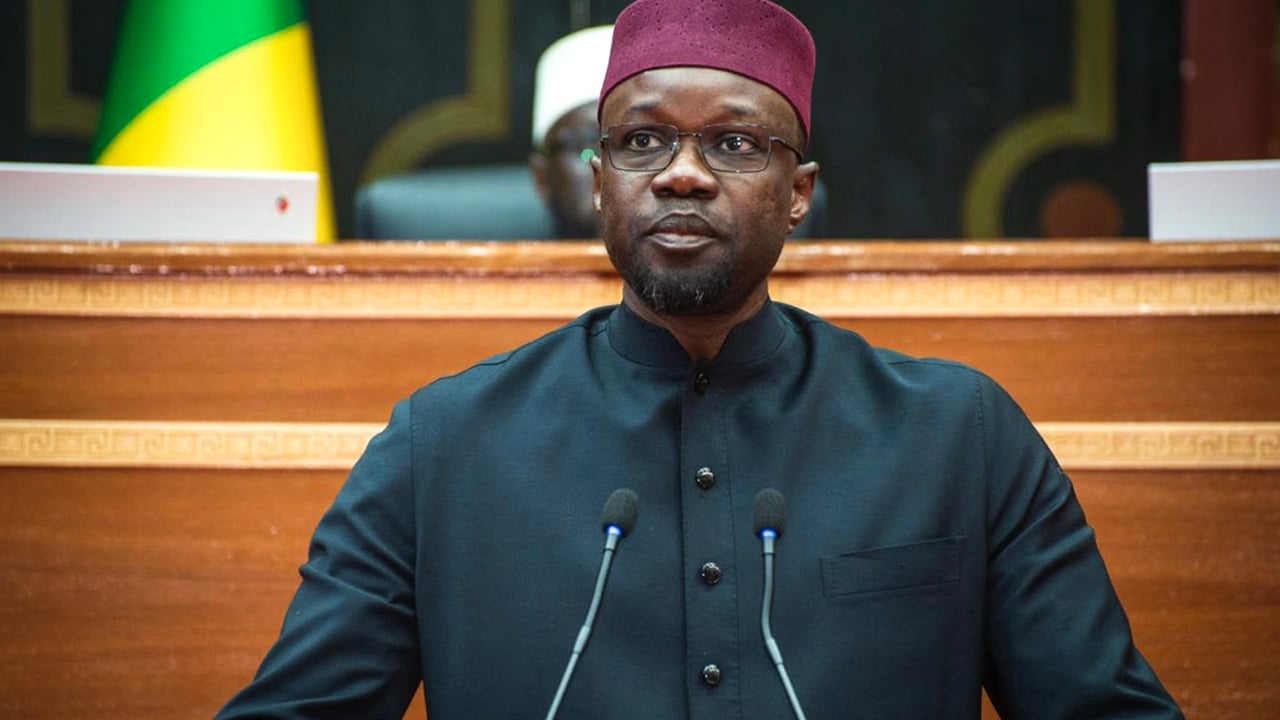

As Senegal approaches a pivotal political moment, the opposition party Pastef finds itself repeatedly at odds with the country’s Constitutional Council. Since its rise to prominence, Pastef—led by Ousmane Sonko and Bassirou Diomaye Faye—has faced a series of legal setbacks and institutional challenges that raise a pressing question: is the Council systematically blocking the party’s path to power? The stakes are high for millions of Senegalese voters who see in Pastef a bold alternative to traditional politics.
Why does the Constitutional Council keep clashing with Pastef?
The relationship between Pastef and Senegal’s Constitutional Council has been marked by legal disputes, each decision carrying significant political weight. Several explanations lie behind these persistent tensions.
The party’s rapid ascent, coupled with its reformist agenda, has made it a target for institutional pushback. Key conflicts have centered on:
- Electoral eligibility disputes: The Council has twice rejected candidates linked to Pastef, raising concerns about selective enforcement of electoral laws.
- Party registration challenges: Administrative hurdles have delayed or obstructed Pastef’s legal recognition, forcing the movement to navigate bureaucratic labyrinths.
- Policy reversals: Recent rulings have overturned government decrees favorable to Pastef’s initiatives, signaling a pattern of judicial intervention in political processes.
These repeated clashes have fueled perceptions of an institutional bias—one that Pastef supporters argue is designed to curb its influence before it can reshape Senegal’s political landscape.
What does this mean for Senegal’s democracy?
The ongoing friction between Pastef and the Constitutional Council is not just a legal dispute—it is a litmus test for Senegal’s democratic resilience. The Council’s decisions carry immense authority, and each intervention in political affairs risks eroding public trust in institutions meant to safeguard fairness.
Critics warn that the pattern of rulings against Pastef could:
- Undermine electoral legitimacy: By disqualifying candidates or blocking policies, the Council may be perceived as overstepping its role, questioning the integrity of the democratic process.
- Deepening political polarization: The perception of unfair treatment risks fueling divisions between pro-government and opposition factions, threatening national cohesion.
- Set a dangerous precedent: Future political movements may face similar obstacles, stifling competition and discouraging grassroots participation in governance.
On the other hand, defenders of the Council argue that its role is to ensure constitutional compliance, regardless of political affiliation. However, the consistency of its rulings against Pastef has done little to dispel accusations of partiality.
How are Senegalese voters responding?
The public’s reaction to these tensions has been as divided as the political landscape itself. While some citizens view the Council’s actions as necessary checks against extremism or unconstitutional maneuvers, others see a deliberate strategy to suppress a growing democratic force.
Young voters, in particular, have gravitated toward Pastef’s anti-establishment rhetoric, seeing the party as a vehicle for much-needed change. Yet, the legal obstacles have led to frustration, with many questioning whether Senegal’s institutions are truly independent or merely tools of the status quo.
Polls suggest that the backlash against perceived institutional overreach could galvanize support for Pastef ahead of upcoming elections. The party’s ability to frame these conflicts as attacks on democracy may further consolidate its base.
What’s next for Pastef and Senegal’s political future?
The coming months will be decisive for Pastef and the broader political climate in Senegal. Several scenarios could unfold:
- Legal appeals and constitutional reforms: Pastef may pursue further appeals or push for reforms to limit the Council’s discretionary powers in political matters.
- Mass mobilizations: Protests and civil society campaigns could intensify, pressuring the government to address allegations of institutional bias.
- Electoral consequences: If the disputes persist, voter turnout among Pastef’s base could surge, delivering an unexpected mandate in future polls.
For now, the standoff between Pastef and the Constitutional Council remains unresolved. But one thing is clear: the outcome will shape Senegal’s political trajectory for years to come. Whether these conflicts strengthen democratic institutions or expose their vulnerabilities may well define the country’s next chapter.