The question isn’t whether a crisis will strike—it’s whether your family will be ready when it does. Across Europe and the Middle East, governments are urging citizens to build emergency stockpiles of food, water, and medical supplies, transforming a once-niche practice into a national security strategy. But why now? And what’s at stake if households fail to act?
Why governments are mandating civilian preparedness
Historically, stockpiling provisions was reserved for natural disasters or personal foresight. Today, it’s a cornerstone of national defense. Authorities from London to Helsinki are instructing residents to maintain 72-hour survival kits—a shift driven by escalating threats: cyberattacks crippling power grids, geopolitical tensions spilling into civilian infrastructure, and the sobering lesson of Ukraine’s invasion, which demonstrated how swiftly modern warfare can paralyze essential services.
Europe’s pivot toward resilience
The UK’s October campaign wasn’t an outlier. Northern European nations are racing to bolster civil defenses, with Finland increasing grain reserves to cover nine months of consumption. Sweden, Poland, and the Baltics are reinforcing shelters, early-warning systems, and evacuation protocols. These measures reflect a stark reality: in the event of sabotage or coordinated attacks, the first 72 hours could dictate whether communities collapse or endure.
Is Russia the hidden catalyst behind Europe’s urgency?
Western intelligence agencies warn that Moscow may test NATO’s cohesion through ‘gray zone’ actions—cyber strikes, disinformation campaigns, or sabotage of critical infrastructure—without triggering a full-scale war. While no attack is inevitable, the uncertainty itself demands preparation. As one official noted, ‘The goal isn’t to stoke fear but to ensure continuity if systems fail.’
Diplomatic tensions aren’t the only driver. Extreme weather, supply chain breakdowns, and technological failures could also plunge regions into chaos. Stockpiling is the buffer between panic and stability.
Middle Eastern flashpoints and global ripple effects
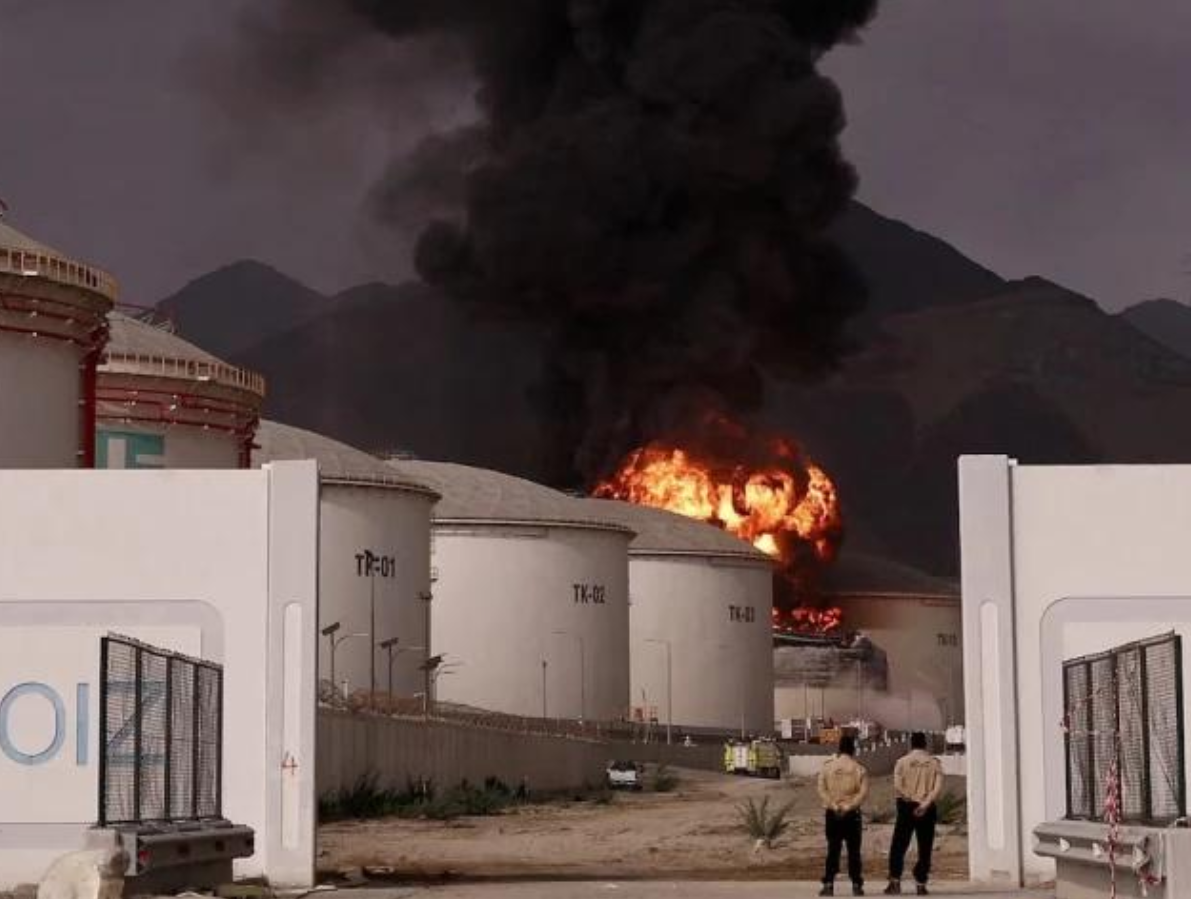
The Gulf’s volatility underscores a broader truth: regional conflicts don’t stay regional. After retaliatory strikes against Iran in early 2026, neighboring states reported missile incursions and drone incursions allegedly originating from Tehran. The vulnerabilities exposed—oil terminals, desalination plants, and shipping lanes—highlight how quickly localized tensions can escalate into global crises, triggering fuel shortages or food price spikes.
For oil-dependent economies, these risks are existential. But even landlocked nations aren’t immune; disrupted maritime trade routes translate into delayed shipments of medicine, electronics, and staple foods.
Asia’s shifting alliances: A new layer of unpredictability
The reopening of a major China-North Korea border crossing in October, followed by Kim Jong-un’s visit to Dandong, signals a revival of Pyongyang’s ties with Beijing—amidst its deepening military cooperation with Russia. While no alliance guarantees coordinated aggression, the convergence of these partnerships complicates global risk assessments. Multiple potential flashpoints, from the Korean Peninsula to the South China Sea, create a domino effect of uncertainty.
Practical steps: Less panic, more preparedness
The message from NATO and allied governments is clear: emergency kits aren’t about fear—they’re about control. Key recommendations include:
- Water: Store at least three liters per person per day, plus purification tablets.
- Food: Prioritize non-perishables with a long shelf life (canned goods, rice, pasta).
- Medical supplies: First-aid kits, prescription medications, and hygiene products.
- Tools: Battery-powered radio, flashlight, multi-tool, and cash (ATMs may fail).
- Plans: Know evacuation routes and shelter locations; practice ‘blackout drills.’
Balancing vigilance and normalcy
Critics argue that such drills risk amplifying anxiety. Yet the data suggests otherwise. Countries like Japan, which has enforced decades of disaster drills, report higher survival rates during earthquakes and tsunamis. The difference lies in preparation vs. paralysis. As one civil protection expert put it, ‘Being ready isn’t fear—it’s empowerment.’
The era of passive reliance on governments to handle every crisis is fading. Today, resilience is a shared responsibility—and the smallest stockpiles could determine which families weather the storm.