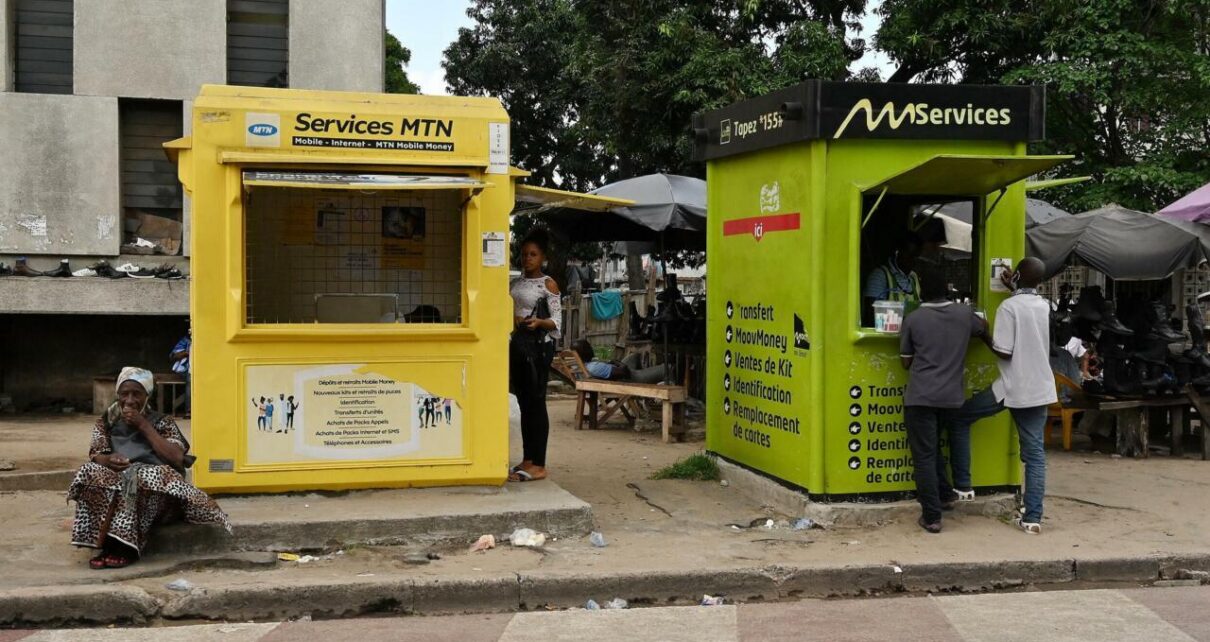
With over 400,000 mobile money service points across Ivory Coast—far surpassing the number of ATMs—the country has embraced digital transactions as a daily necessity. Citizens rely on these kiosks to deposit salaries, withdraw funds, and settle payments. Yet, agents managing these services often face a critical challenge: insufficient cash flow, which disrupts operations and frustrates users.
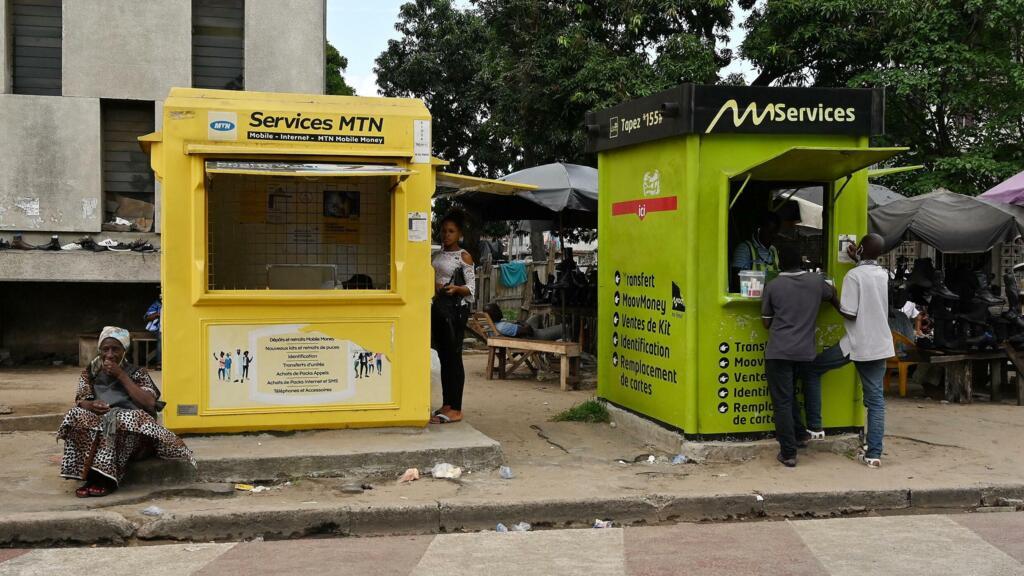
In Abidjan’s Angré Château district, a bustling commercial hub, frustration was palpable one late afternoon. Customers queued at a mobile money kiosk, only to find it out of cash. Rosette, a local resident, sighed as she sought to withdraw 10,000 West African CFA francs (about 15 euros). «When you arrive, they often don’t have what you need. It’s a recurring issue, so we adapt.»
Inside the small yellow booth, agent Nema apologized to impatient clients, explaining that supply shortages forced them into «deposit mode» after heavy withdrawal periods. Some customers left in search of alternative service points, while others waited. Affoué, the booth’s manager and a former accountant, emphasized the financial toll: «Losing a customer means losing commission revenue. Without consistent service, profits shrink, and growth stalls.»
financial strain on agents and the economy
Mobile money operators in Ivory Coast—Orange, Moov, MTN, and Wave—pay agents commissions for transactions, typically between 20 and 60 West African CFA francs (roughly 3 to 9 euro cents) per 10,000 West African CFA francs transaction. Higher transaction frequency and value translate to greater earnings for agents. However, when liquidity dries up, kiosks must close temporarily to restock, leading to lost business and reduced commissions.
«Customers leave, transactions drop, and commissions fall. Many agents are forced to shut down temporarily to refill cash reserves, undermining their profitability.»
fast cash delivery by motorcycle couriers
To address this gap, Leya, an Abidjan-based fintech startup, launched a motorcycle-based cash and credit delivery service for mobile money agents. Gertrude Yapi, Leya’s operations director, highlighted their rapid response: «We supply credit within four minutes and cash within 30 minutes, ensuring agents can serve customers uninterrupted. This boosts their turnover by up to 50%.» Leya now serves over 3,000 active clients across four cities: Abidjan, Bondoukou, Bouaké, and Korhogo.
Kassoum Timité, an Ivorian economist, underscored the broader economic impact: «Mobile money primarily serves the informal sector, which drives nearly 40% of Ivory Coast’s GDP, according to IMF estimates. Cash shortages disrupt transactions, slowing economic activity and reducing productivity.»
In 2024 alone, mobile money transactions in Ivory Coast averaged over 140 billion West African CFA francs (over 210 million euros) daily—nearly four times the volume recorded in 2020. As digital payments become integral to daily life, ensuring reliable cash flow for agents is no longer just a business concern—it’s a cornerstone of economic momentum.