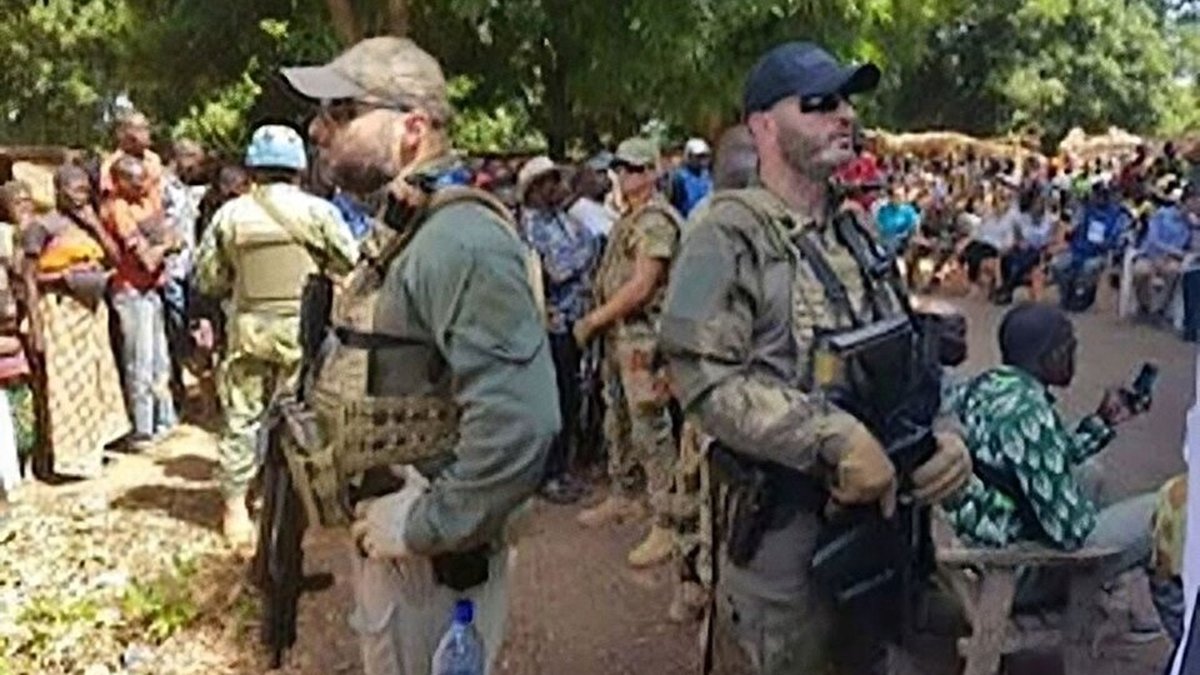
Centrafrican whistleblower denied asylum in France despite Wagner revelations
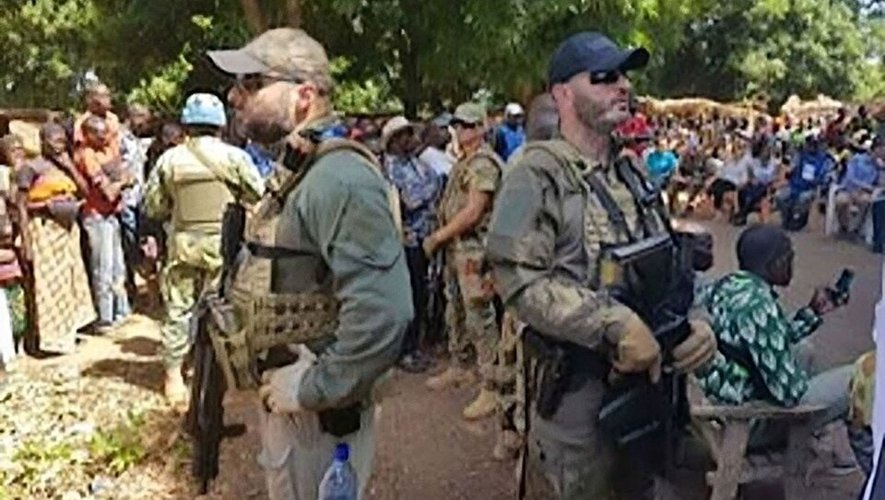
Centrafrican investigative journalist Ephrem Yalike-Ngonzo has been denied asylum in France, despite exposing Wagner Group operations. He had secured temporary entry into the country in 2024, following direct intervention by French authorities.
Ephrem Yalike-Ngonzo, a Centrafrican journalist who risked everything to expose the clandestine operations of the Wagner Group in his country, has received a devastating blow from French authorities. After revealing Moscow’s propaganda network in the Central African Republic, his request for political asylum was rejected on July 10, 2026. His legal team has condemned this decision as a dangerous signal to anti-propaganda advocates worldwide.
Following his explosive revelations in 2024, Yalike-Ngonzo fled threats to his life, seeking refuge in France. His testimony was instrumental in uncovering the financial and operational ties between Wagner operatives and local Centrafrican forces. The evidence he provided led to sanctions against a key Russian propagandist linked to Moscow’s African operations.
From paid propaganda to life on the run
His journey began in late 2019 when he was approached by Wagner-linked networks operating in Bangui. At the time, Yalike-Ngonzo was a struggling journalist earning between 15 and 30 euros per published article—barely enough to cover a quarter of his monthly expenses. These payments were part of a systematic effort to amplify pro-Russian narratives in Centrafrican media outlets. His switch from participant to whistleblower came after witnessing the human cost of these operations firsthand.
The turning point occurred during a 2024 investigation conducted by an international consortium. Yalike-Ngonzo’s detailed accounts exposed the inner workings of Wagner’s influence campaigns, prompting immediate retaliation. Death threats from the paramilitary group forced him into hiding, eventually leading him to cross into France with his family.
Legal battle and ongoing threats
Following the asylum denial, his legal representatives filed an emergency appeal with France’s National Asylum Court on July 9. The court has up to a year to render a decision, leaving Yalike-Ngonzo and his family in legal limbo. While awaiting the outcome, they remain in hiding across France, with security concerns heightened by persistent threats. In their home country, relatives face repeated interrogations, pressured to disclose his whereabouts.
The case has sparked outrage among press freedom advocates, who argue that denying asylum to a journalist who exposed foreign interference sets a dangerous precedent. His legal team has emphasized that the decision undermines efforts to combat Russian disinformation campaigns globally.