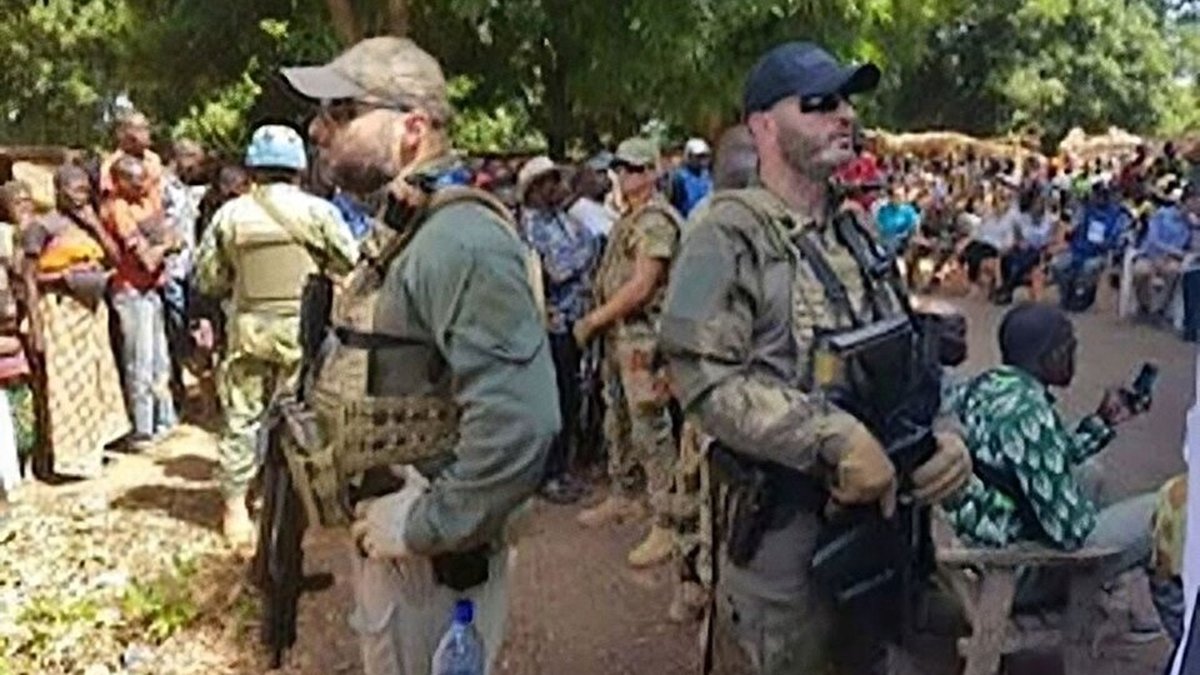
The French authorities have rejected the asylum application of Central African journalist Ephrem Yalike-Ngonzo, who exposed Moscow’s covert influence operations linked to the Wagner Group in his home country. Despite securing a special travel document facilitated by French President Emmanuel Macron in 2024, his bid to remain in France has now been denied.
His legal team has branded the decision a stark warning to others fighting Kremlin-backed disinformation campaigns across Africa. Since fleeing the Central African Republic in 2024 after receiving death threats from Wagner operatives, Yalike-Ngonzo has lived under protection in France. His revelations helped trigger EU sanctions against Mikhail Prudnikov, Moscow’s propaganda architect in Bangui.
From paid propagandist to whistleblower
In late 2019, while working for multiple outlets, Yalike-Ngonzo was paid between €15 and €30 per article—roughly a quarter of his monthly salary—to publish pieces glorifying the Central African armed forces and their Russian partners. The money came from a network tied to Wagner’s broader influence campaign in the region.
By 2024, he had joined an investigation by Forbidden Stories that mapped Russia’s covert influence operations across Africa. Once his identity was exposed, Wagner-linked threats forced him into immediate exile. His testimony became a cornerstone of the investigation, directly contributing to sanctions against key Russian operatives in Bangui.
Waiting for justice in the shadows
On July 9, his legal team filed an urgent appeal with France’s National Asylum Court. A final ruling may take up to a year. For now, Yalike-Ngonzo remains in hiding with his family somewhere in France. Back in Bangui, his relatives face repeated police summons, pressured to disclose his location.
With no immediate prospect of a safe return home, the journalist’s future hangs in the balance—underscoring the risks faced by those who dare to challenge Moscow’s expanding footprint in Africa.