In Chad, the sentencing of eight opposition leaders from the Grand Changement pour l’Alternative Politique (GCAP) coalition to eight years in prison has sparked sharp criticism from political figures across the spectrum. The verdict, delivered on May 8, 2026, has intensified concerns about the shrinking space for political freedoms in the country.
While some opposition members express little surprise at the ruling, many view it as a stark indication of the government’s tightening grip on dissent. Analysts and activists warn that this judicial decision is part of a broader pattern of repression targeting critics and political opponents.
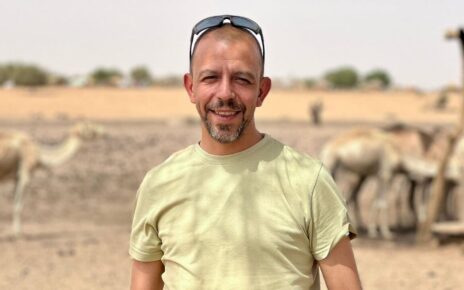
Alifa Younous Mahamat, European coordinator of the Parti Socialiste sans Frontières (PSF), has condemned the trial’s conditions, arguing they fell far short of fair justice standards. He asserts that this conviction is yet another step in a systematic campaign to silence voices advocating for democratic change in Chad.
The political leader points to a series of recent events that have further strained the opposition landscape: the imprisonment of Succès Masra, the revocation of citizenship for certain exiled activists, and the violent raid on the PSF headquarters in 2024, which resulted in the death of party leader Yaya Dillo. Additionally, the party’s secretary-general, Robert Gam, fled the country after months of secret detention.
Alifa Younous Mahamat warns that Chad’s judiciary is increasingly being weaponized as a political tool, systematically targeting opposition figures and pro-democracy advocates. This erosion of legal safeguards, he argues, undermines the country’s democratic foundations.
Parliamentary opposition under siege
Albert Pahimi Padacké, leader of the Rassemblement National des Démocrates Tchadiens (RNDT) and former Prime Minister, suggests that the recent ruling reflects a deliberate strategy by the ruling Mouvement Patriotique du Salut (MPS) to suppress political dissent.
Since the establishment of the Fifth Republic, he explains, the MPS has systematically targeted opposition figures through arrests, legal harassment, and restrictive policies. Padacké himself admits to living in fear of arbitrary prosecution or detention, a sentiment shared by many in the opposition.
These developments paint a troubling picture of Chad’s political landscape. Opposition leaders argue that the combination of judicial reprisals, arbitrary detentions, and restrictions on political activity is systematically eroding the country’s democratic freedoms. The international community has also expressed growing concern over the escalating repression of political rights in Chad.