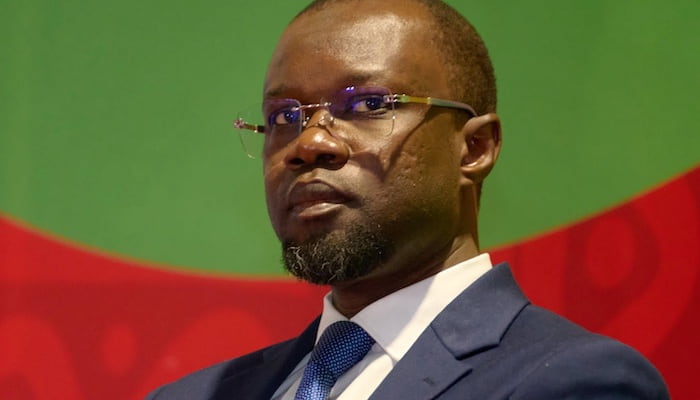
In a bold strategic move, the Collective for the Defense of the Revolution (CODES) has officially merged with Pastef-Les Patriotes, the political party led by Ousmane Sonko. This decision comes at a critical juncture, as the organization warns that the Social Transformation Project, a cornerstone of Sonko’s political agenda, is under severe threat. According to a statement from CODES’ governing body, the project faces deliberate undermining by opportunists aiming to seize control of the state apparatus established after the landmark March 25, 2024 movement.
The announcement underscores a deepening concern that the revolutionary ideals driving the 2024 transition are being sidelined by a new wave of political maneuvering. CODES’ leadership argues that the very architects of the patriotic revolution are being sidelined, with Sonko—widely regarded as the guiding force behind the movement—facing direct targeting. This narrative aligns closely with Sonko’s own recent public declarations, including his concept of the ‘popular bloc’, a framework he introduced during the Diamniadio congress. He emphasized that while people may win power, transforming the state requires sustained collective action.
The merger signals a united front, with CODES urging all citizens—particularly the youth—to rally behind Sonko and defend the Social Transformation Project. In an impassioned call to action, the organization urges democratic forces to join the movement in “hundreds, thousands, and millions” to secure its success. This mobilization drive comes as Sonko intensifies his countrywide tours, rallying support ahead of key electoral milestones, including the 2029 presidential election.
The decision reflects a broader trend of political consolidation within Senegal’s opposition, even as internal divisions persist. Recent months have seen high-profile defections from Pastef-Les Patriotes, with several members aligning with the ruling party’s agenda. This development highlights the growing polarization within Senegal’s political landscape, where competing visions for the country’s future are increasingly clashing.