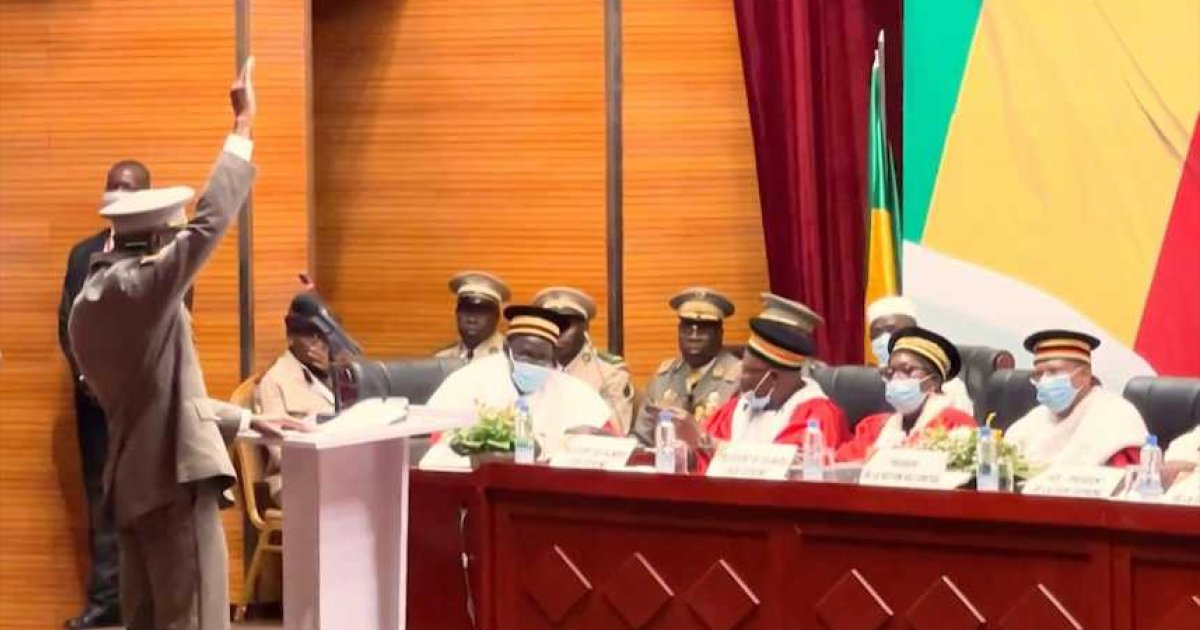
Mali’s colonel Assimi Goïta officially sworn in as transitional leader
Bamako witnessed a historic moment on Monday as Colonel Assimi Goïta took the oath of office to become Mali’s new transitional president. The 37-year-old officer, who has orchestrated two military coups within nine months, now stands at the helm of a nation navigating complex political and security challenges.
The investiture ceremony, held in the capital, marks a pivotal shift in Mali’s governance. Colonel Goïta’s ascent comes after a period of intense political turbulence, during which he first seized power in August 2020, followed by a second intervention in May 2021 to consolidate control. International observers closely monitored the event, as the young leader pledged to restore stability and reassure both domestic and global stakeholders about his vision for the country’s future.
a leader facing high expectations and scrutiny
At just 37 years old, Colonel Goïta has emerged as one of West Africa’s youngest political figures. His leadership is being tested as Mali grapples with escalating security threats, economic hardship, and regional diplomatic tensions. The transitional government, now under his command, faces immense pressure to deliver on promises of reform and a return to democratic governance.
In his address, the newly sworn-in president emphasized the need for national unity and reconciliation. He acknowledged the challenges ahead, including the ongoing fight against armed groups in the Sahel and the urgent need to revitalize Mali’s economy, battered by years of conflict and the COVID-19 pandemic.
regional and international reactions
The investiture ceremony drew attention from neighboring countries and global powers, all keen to understand the implications of this leadership transition. While some regional blocs have cautiously welcomed the move, others remain skeptical, citing concerns over the military’s prolonged grip on power. The Economic Community of West African States (ECOWAS) continues to push for a swift return to civilian rule, a demand that resonates with many Malians exhausted by political instability.
Domestically, reactions have been mixed. Supporters of Colonel Goïta praise his decisive actions in restoring order, while critics warn of the risks of further authoritarian drift. Civil society groups have called for transparency in the transitional process, urging the new leadership to honor its commitments to inclusive governance and human rights.
what’s next for Mali under goïta?
With the presidency now secured, Colonel Goïta’s next steps will be critical in shaping Mali’s trajectory. Key priorities include:
- Security stabilization: Addressing the insurgency in northern and central Mali, which has displaced hundreds of thousands and strained the country’s resources.
- Economic recovery: Revitalizing key sectors such as agriculture and mining while tackling inflation and unemployment exacerbated by the pandemic.
- Political transition: Navigating the delicate balance between military rule and the demands for a return to democratic processes within the agreed timelines.
The coming months will reveal whether Colonel Goïta can deliver on his promises or if his leadership will deepen the divisions that have long plagued Mali. One thing is certain: the world is watching closely as this young officer charts a course for one of Africa’s most strategically vital nations.