Congo’s top bishop opposes referendum during war
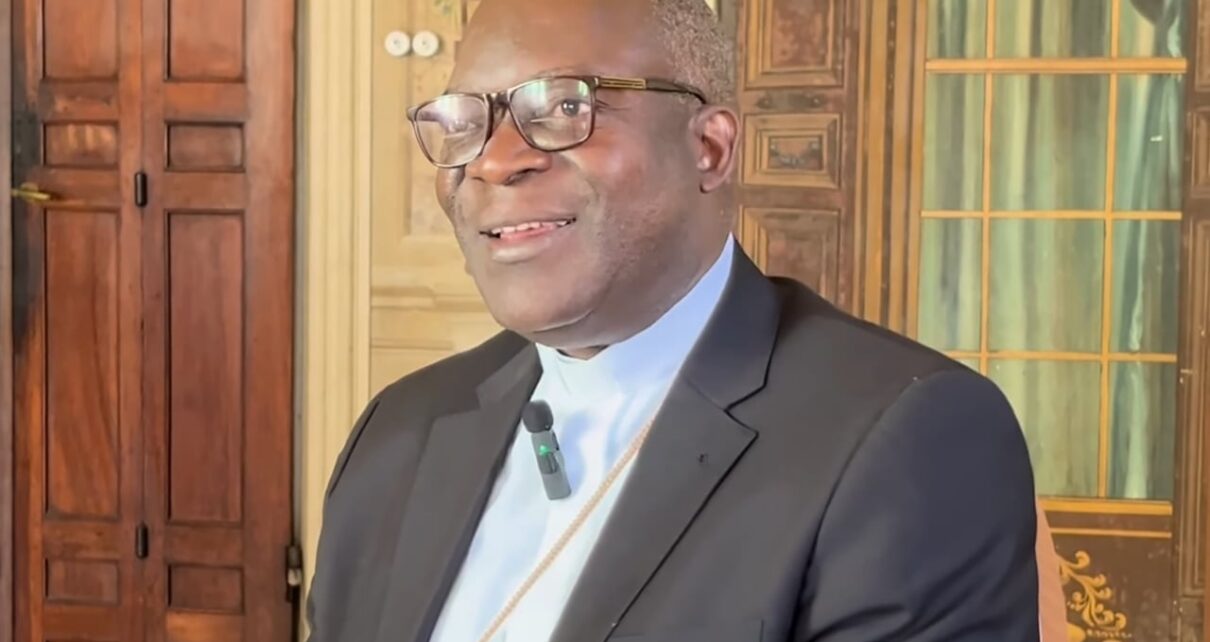
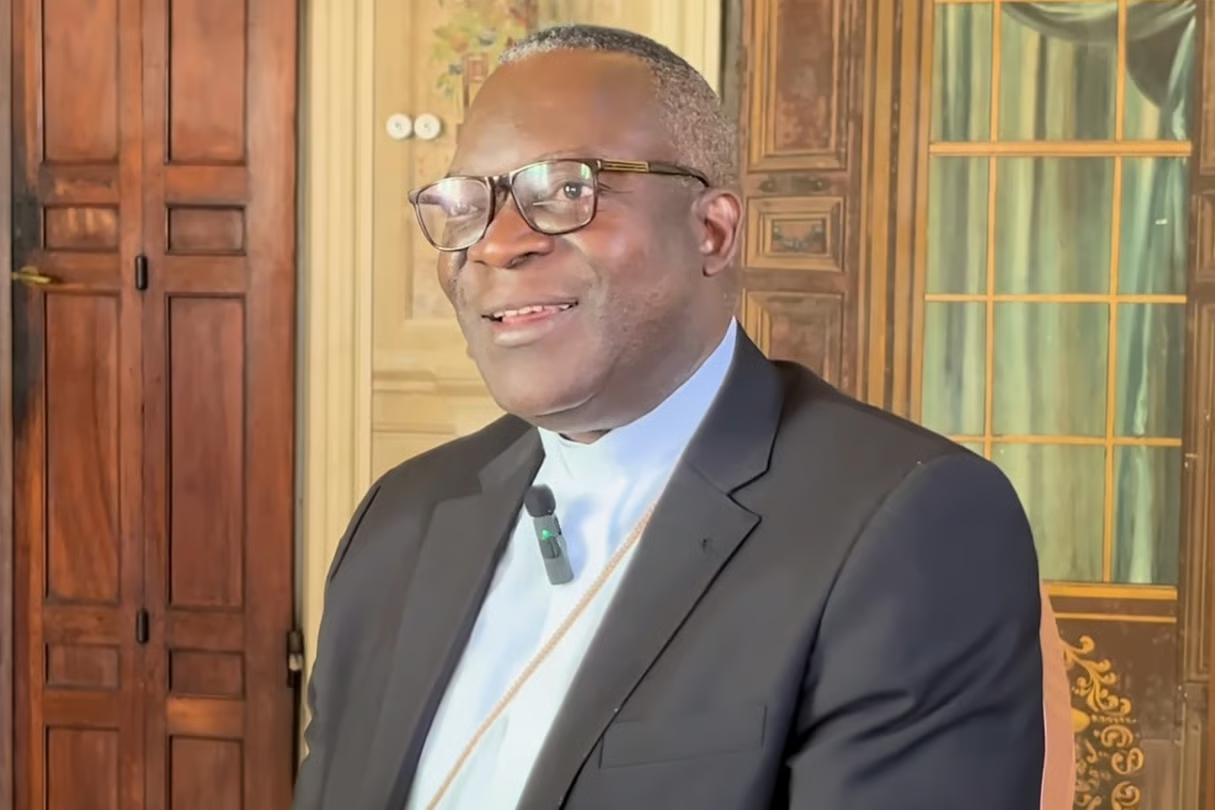
The head of the National Episcopal Conference of Congo (Cenco), Archbishop Fulgence Muteba, has strongly criticized the proposed constitutional referendum, calling it untimely in the current climate of conflict gripping the nation.
In a rare public statement, the archbishop emphasized that holding a referendum while the country remains embroiled in insurgencies and political instability would only deepen divisions rather than foster progress. The Cenco has long been a respected voice in mediating national crises, but its opposition to the referendum signals growing unease among religious and civil society leaders.
Why the referendum faces major backlash
Since the announcement of the referendum’s timeline, political and social tensions have escalated. Critics argue that the proposed changes to the constitution could centralize power and sideline opposition voices, particularly in the volatile eastern regions where armed groups continue to challenge state authority.
The Cenco has repeatedly called for national dialogue as the only viable path to stability. Archbishop Muteba stressed that “a referendum under these conditions risks plunging the country deeper into chaos rather than resolving its deep-rooted problems.”
Key concerns raised by religious leaders
The Cenco has outlined several reasons why the referendum should be postponed or abandoned entirely:
- Humanitarian crisis: Millions remain displaced due to ongoing violence, making it impossible to conduct fair consultations.
- Lack of security: Eastern provinces remain under threat from armed factions, preventing meaningful civic participation.
- Political exclusion: Opposition figures argue the process lacks transparency and favors ruling-party interests.
- Economic strain: With resources diverted to conflict zones, the referendum’s timing is seen as fiscally irresponsible.
Government defends the referendum’s necessity
Despite the criticism, officials insist the referendum is essential to modernize Congo’s legal framework. President Félix Tshisekedi has framed the changes as necessary for “democratic renewal” and economic development. However, former President Joseph Kabila and others have accused the administration of using the referendum to consolidate power.
The M23 rebel group, active in North Kivu, has threatened to disrupt the process if their demands for autonomy are ignored, further complicating an already fragile situation.
As Congo stands at this critical juncture, the standoff between religious leaders and the government underscores the deep fractures in the nation’s path toward peace and governance.