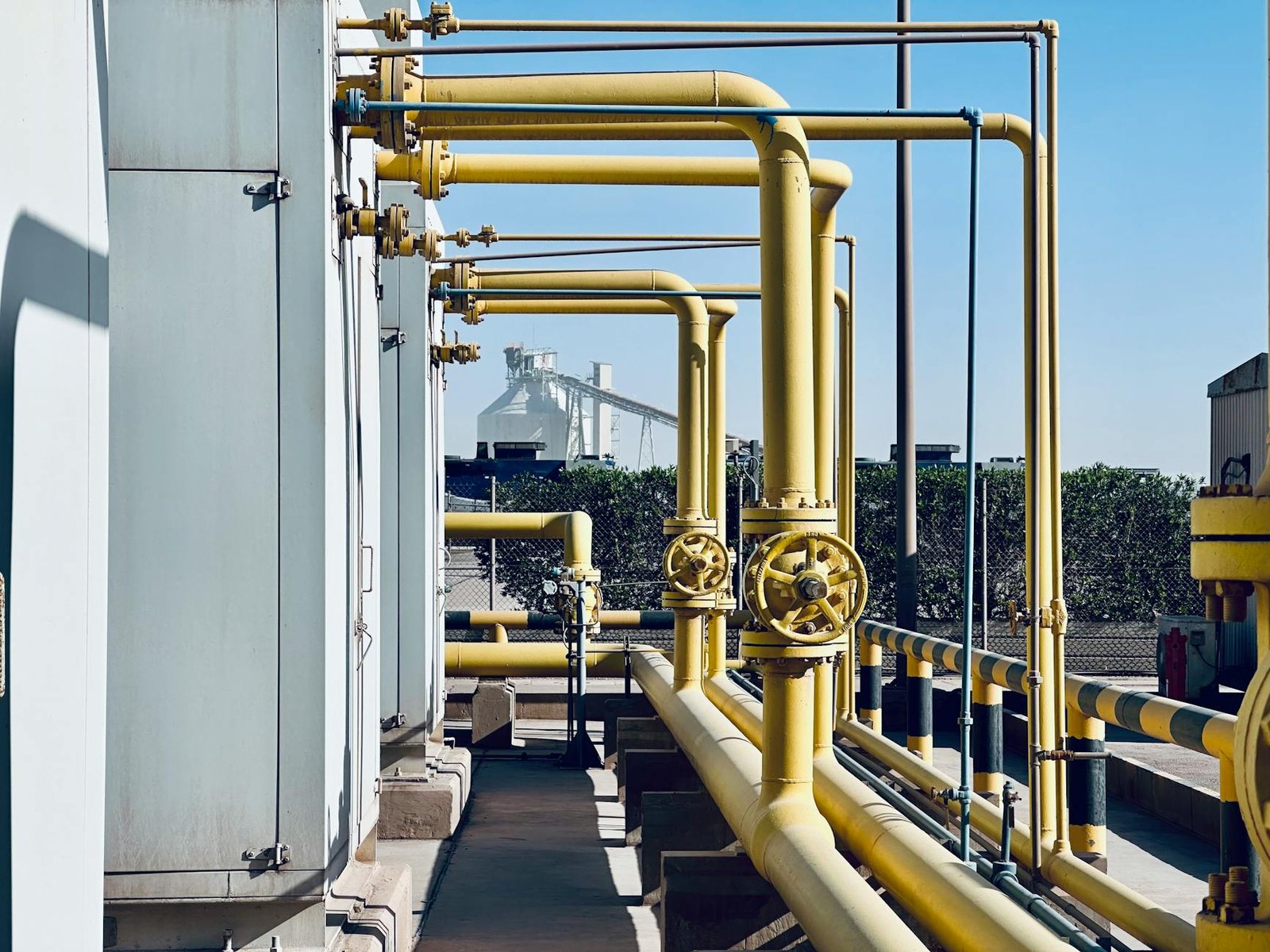
The transit fee collected by Cameroon for Chad’s crude oil transported via the Chad-Cameroon pipeline has already hit 12.2 billion FCFA within the first four months of 2026. According to the Pipeline Steering and Monitoring Committee, this figure represents a year-on-year increase of 1.2 billion FCFA, marking an 11% rise compared to the same period in 2025. The growth is attributed to a cumulative volume of 16.1 million barrels of Chadian crude transported through Cameroonian territory during the review period.
Critical infrastructure for Chad’s landlocked energy sector
Stretching over 1,080 kilometers, the pipeline links the oil fields in southern Chad to the Komé-Kribi export terminal on Cameroon’s coastline. With no direct access to the sea, N’Djamena relies entirely on this vital artery to move its production to international markets. Commissioned in the early 2000s under a consortium initially led by ExxonMobil, the pipeline remains Chad’s sole viable export corridor for crude oil.
For Cameroon, this geographical dependency translates into steady budgetary inflows. Each barrel transiting its territory generates a transit fee of $1.321, paid into the national treasury. While the mechanism is straightforward, the cumulative impact bolsters non-tax revenues at a time when Yaoundé is actively seeking to diversify its income streams amid a gradual decline in domestic hydrocarbon output.
Transit fee triples over two decades of negotiations
The current fee reflects a series of negotiations that began in 2013. Initially set at $0.41 per barrel, the unit rate was widely considered inadequate by Cameroonian authorities, given the environmental and logistical risks borne by the transit country. Under sustained pressure from Yaoundé, a five-year review mechanism was established, leading to two successive increases in 2013 and 2018, ultimately pushing the fee to its present level.
In practical terms, the per-barrel rent has more than tripled over 15 years. This upward trend has enabled Cameroon to gradually align its transit financial terms with those observed in other African oil corridors, such as the Baku-Tbilisi-Ceyhan pipeline in Central Asia or arrangements on the neighboring Chad-Cameroon-COTCO pipeline. However, the next scheduled adjustment remains pending.
2023 fee review still pending after two years
The agreed-upon timeline stipulated that a new increase should have taken effect on October 1, 2023. Yet, more than two years later, no official announcement has confirmed the conclusion of negotiations or any potential fee revision. The prolonged silence raises questions, especially as Cameroonian authorities have recently emphasized optimizing oil-related revenue collection.
Multiple factors may explain this impasse. Chad’s political transition following former President Déby’s departure, coupled with fiscal pressures in N’Djamena, has constrained the maneuverability of Chadian negotiators. Additionally, fluctuations in Chad’s oil production may prompt operators to advocate for tariff stability to safeguard the profitability of declining fields. Conversely, Cameroon’s priority is to maximize revenue from an infrastructure with a finite operational lifespan.
Despite the uncertainty, current trends are undeniably beneficial for the national budget. If the first-quarter pace persists, annual transit revenue could surpass 35 billion FCFA in 2026. This would further cement the Chad-Cameroon pipeline’s status as a strategic foreign exchange generator for Yaoundé, alongside Kribi’s LNG and agricultural exports. No official details have yet emerged regarding the outcome of ongoing tariff discussions with Chad.