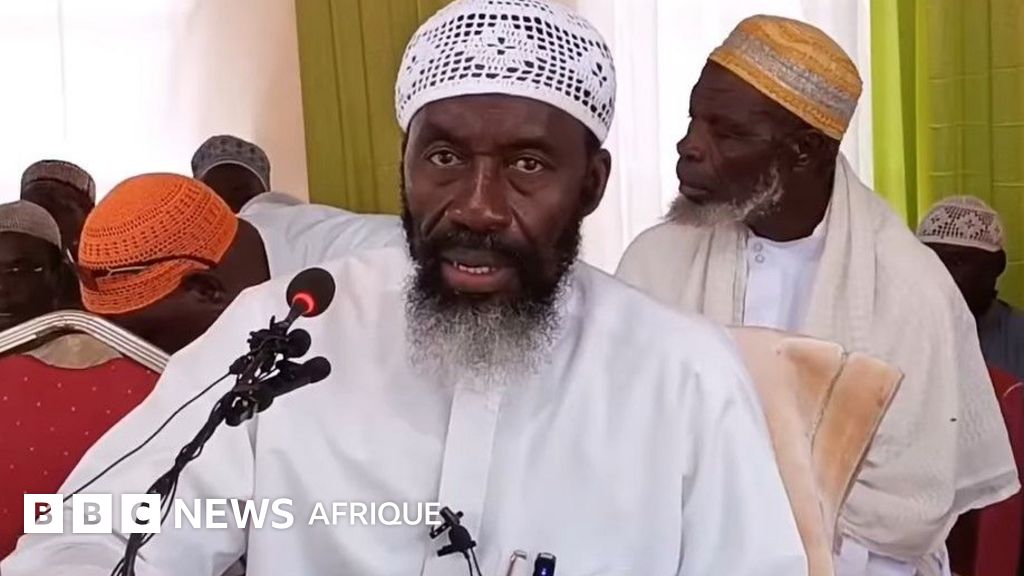
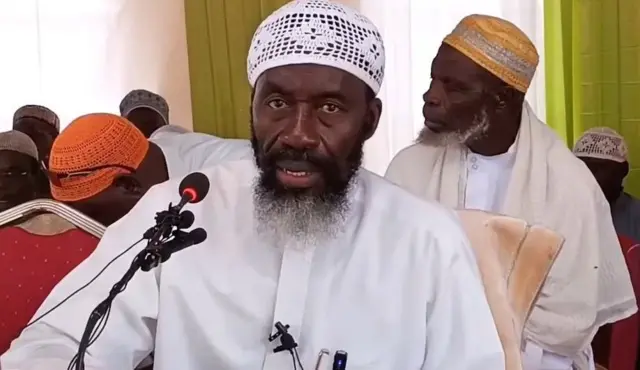
A tense atmosphere gripped Ouagadougou on Tuesday, May 26, as security forces carried out the high-profile arrest of influential Sunni imam Mohamad Ishaq Kindo. The religious leader, also serving as president of the country’s Sunni Oulema Association, was taken into custody by plainclothes officers and members of the national security apparatus in broad daylight, sparking immediate concern among his followers and the broader Muslim community.
Why was the imam arrested?
The arrest followed a video message in which Imam Kindo sharply criticized the newly enacted law regulating religious freedoms in Burkina Faso. Passed by the transitional government on March 19, the legislation seeks to curb online hate speech, radicalization, and violent extremism while maintaining the country’s secular principles. The religious leader publicly questioned the government’s motives, warning leaders in a widely circulated recording: “No leader, however powerful, can suppress prayers in public spaces or claim divine authority.”
The Federation of Islamic Associations of Burkina Faso (FAIB), of which Kindo is a leading figure, issued a statement the same afternoon calling his detention “unprecedented” and demanding immediate clarification of his whereabouts and legal status. The organization confirmed it had filed urgent appeals with relevant authorities to secure his release and ensure due process.
A violent confrontation
Eyewitnesses described the operation as heavy-handed. Around 2:00 p.m. local time, a convoy of masked security personnel—including police and military officers—seized the imam outside a mosque in central Ouagadougou. A close associate reported that worshippers attempted to intervene, leading to a tense standoff. “The scene turned confrontational when officers used force,” the witness stated. “Several believers were injured during the scuffle.”
Community activists condemned the arrest as an escalation targeting dissenting voices. Social media platforms erupted with calls for solidarity and condemnation of what many saw as a violation of religious and civil liberties.
Public outrage and crackdown
Within hours of the arrest, hundreds of Muslims gathered in central Ouagadougou to demand Kindo’s immediate release. Demonstrators carried banners and chanted religious slogans, but their protest was quickly dispersed using tear gas. The FAIB urged calm, calling for restraint and peaceful dialogue among its members.
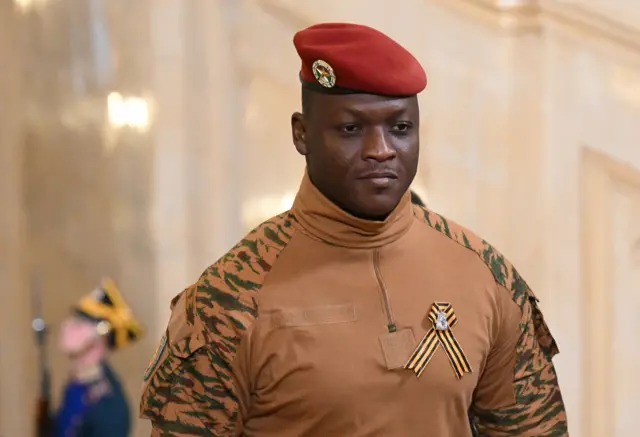
The transitional authorities have yet to comment publicly on the case. Hours after the incident, the country’s military leader marked Eid al-Adha by reaffirming the government’s commitment to combating jihadist threats and warned against any attempts to destabilize national security. “Those who undermine our institutions or sow division will face the full weight of the law,” the statement read.
What does the religious freedom law entail?
The March 19 legislation, titled the Law on the Exercise of Religious Freedoms, aims to regulate religious practices in response to growing concerns over online radicalization and interfaith tensions. Among its key provisions:
- Ban on building places of worship in public administration buildings, except in healthcare facilities, prisons, and military barracks.
- Prohibition of hate speech and inflammatory rhetoric on social media and public platforms.
- Preservation of public prayer rights, provided they respect the beliefs of others and do not disrupt order.
Government officials, including Mariem Sanogo, Director General of Religious, Customary, and Traditional Affairs, have defended the law as a necessary measure to combat extremism and preserve national cohesion. “This is not about suppressing faith,” Sanogo stated. “It is about protecting society from those who distort religion to spread violence.”
The arrest of Imam Kindo, a vocal critic of the law, has intensified debates over the balance between state secularism and religious expression in Burkina Faso. With the country under military rule since 2022, tensions between authorities and civil society continue to rise.