Dakar’s divided response to prime minister sonko’s unexpected removal
A significant political shake-up has gripped Senegal’s capital, Dakar, following the recent dismissal of Prime Minister Ousmane Sonko. The presidential announcement, which abruptly ended Sonko’s tenure, has left residents grappling with emotions ranging from resignation to a sense of renunciation, a culmination of several months of underlying tensions between the nation’s top two executive figures. This event marks a critical moment in Sahel politics, drawing attention across West Africa.
Ibrahima Dione, a Dakar resident and staunch supporter of Sonko, expressed his perspective on the situation. “Thank goodness,” Dione stated, “For us, Sonko’s supporters, this was an anticipated outcome. Ousmane Sonko has achieved more than any other minister in Senegal’s history. We will stand by him with immense pride. President Bassirou Diomaye Faye’s conduct, in my view, has been immature.”
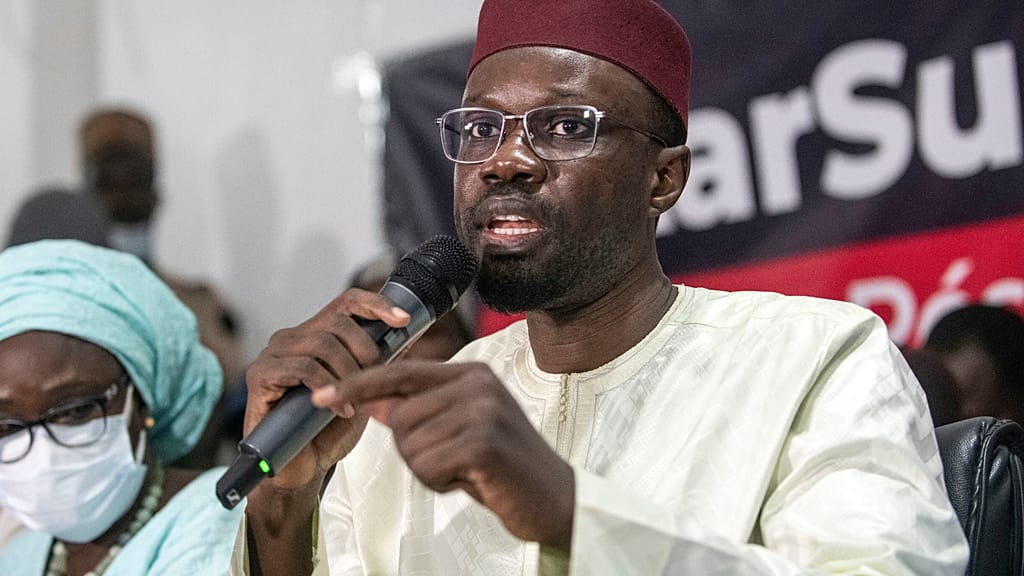
Sonko, who also leads the African Patriots of Senegal for Work, Ethics, and Fraternity (PASTEF) party, was removed from his post along with his entire cabinet. His initial reaction, a brief statement shared on social media, did little to conceal the deepening crisis at the highest echelons of the state.
Another Dakar resident, Modou Diaw, voiced his surprise and concern. “This dismissal is quite unsettling. I was taken aback by the news; the announcement came so suddenly. It’s not beneficial for our country. Senegal needs job creation, not political turmoil,” Diaw commented, highlighting a common sentiment among some citizens.
President Diomaye Faye’s ascent to power was significantly bolstered by Sonko’s widespread popularity, particularly among Senegal’s youth, generating considerable enthusiasm. However, observers note that the former Prime Minister’s tenure was marked by several controversial public statements, which reportedly caused growing irritation within the presidential office.
Thierno Sow, a resident of Dakar, offered a different viewpoint, suggesting that many Senegalese had anticipated such a development. “The President holds the authority to appoint,” Sow affirmed, “and it is equally his prerogative to dismiss and reappoint. If this decision serves the nation’s best interests, then it is indeed the right course of action.”
PASTEF secured a decisive victory in the first round of the March 2024 elections, campaigning on a platform promising profound political transformation and a rigorous fight against public sector mismanagement. This recent development adds another layer to the evolving political landscape of Senegal.