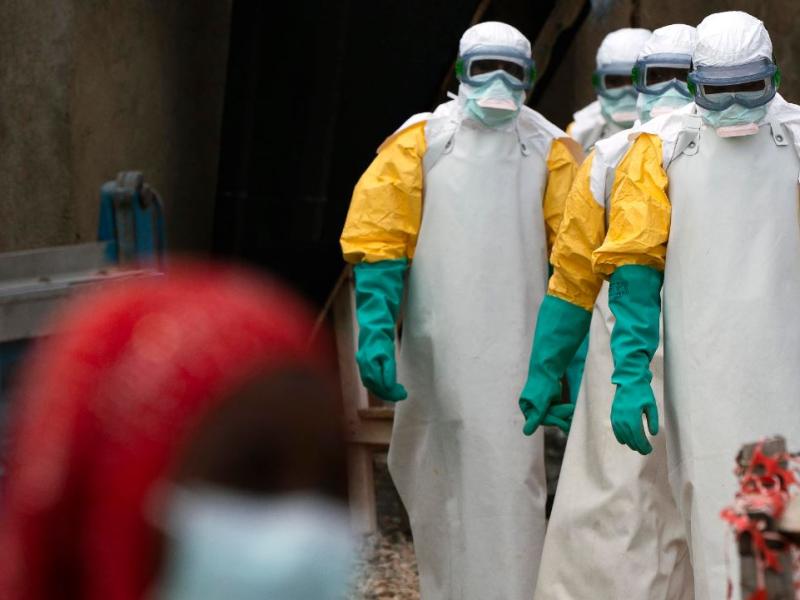
The Ebola virus disease (EVD) outbreak, caused by the Bundibugyo strain, continues to escalate in the eastern regions of the Democratic Republic of Congo (DRC). Fresh data from the National Institute of Public Health (INSP) indicates that as of the latest health bulletin, there have been 515 confirmed cases, including 91 fatalities, translating to a case fatality rate of 17.7%.
This outbreak, which initially surfaced in the provinces of Ituri, North Kivu, and South Kivu, has now spread to 25 health zones across the country. The situation remains particularly dire in Ituri, where 17 of its 36 health zones are affected, including critical areas such as Aru, Aungba, Bambu, Bunia, Mambasa, and Mangala.
The North Kivu and South Kivu provinces are also witnessing active transmission, with key hotspots identified in Katwa, Beni, Butembo, and Oicha. In the past 24 hours alone, health authorities have recorded 27 new confirmed cases, underscoring the relentless spread of the virus despite ongoing containment efforts.
Current situation by province
Ituri Province: The epicenter of the outbreak, with widespread transmission across multiple zones. Key affected areas include:
- Aru
- Bunia
- Mambasa
- Komanda
- Damas
- Logo
- Nizi
- Nyankunde
North Kivu Province: Active transmission persists in critical zones such as:
- Katwa (11 cases, 8 deaths)
- Beni (5 cases, 3 deaths)
- Butembo (4 cases, 2 deaths)
- Oicha (2 cases, 2 deaths)
South Kivu Province: Smaller clusters have been reported, though the situation remains under close surveillance.
Challenges in the response
The ongoing outbreak response faces significant hurdles, including:
- Persistent insecurity in certain regions of Ituri, hampering access to affected communities.
- Logistical difficulties in reaching remote areas, particularly those with limited infrastructure.
- Community resistance and misinformation, which undermine trust in health interventions and impede outbreak control.
Health officials are urging the public to remain vigilant, report suspected cases promptly, and adhere to preventive measures to curb further spread. The situation demands heightened international support and coordinated action to address the multifaceted challenges at hand.
Reporting by Freddy Upar in Bunia