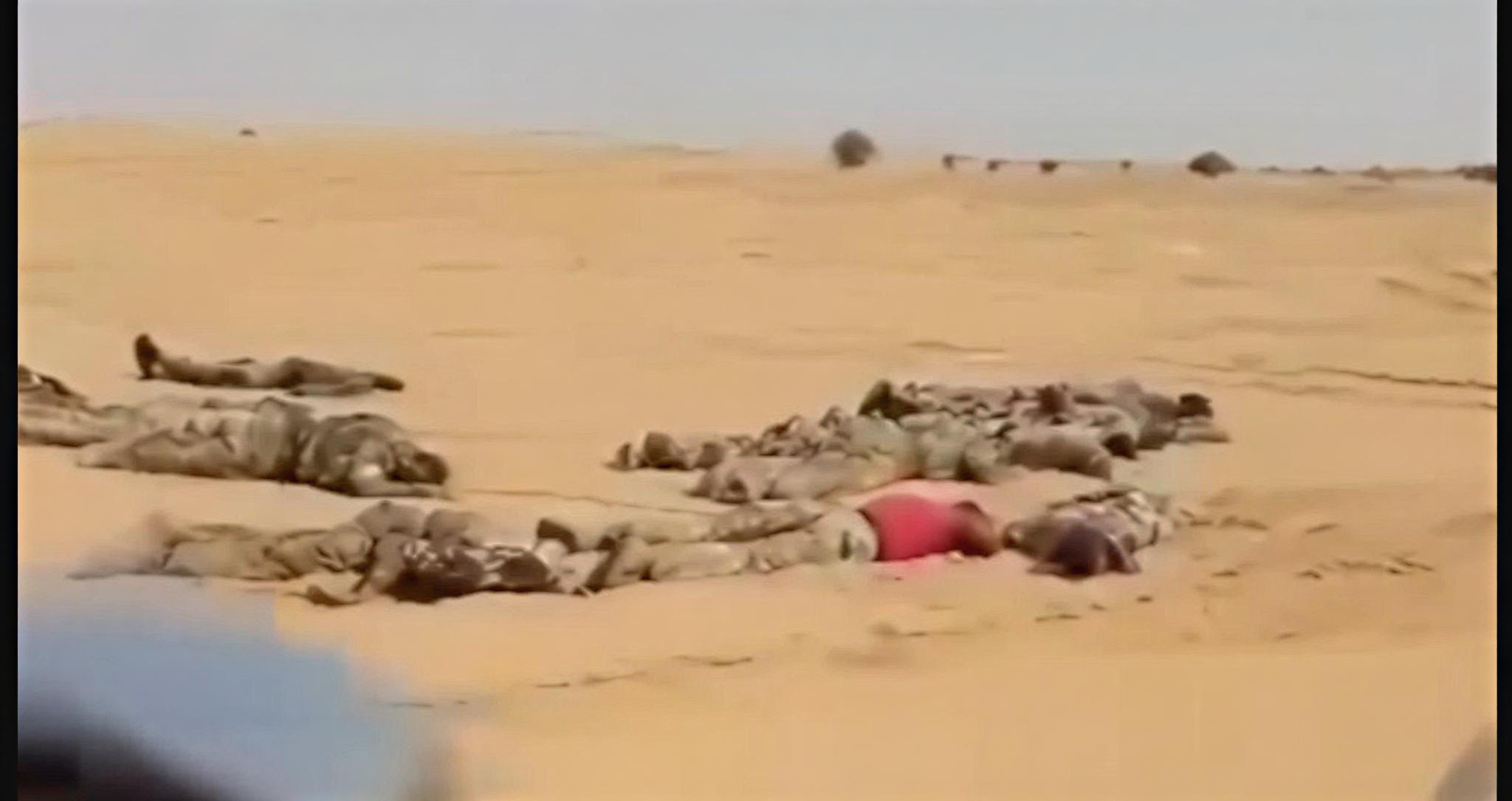
The recent allegations of torture and summary executions targeting Malian soldiers captured in the country’s northern regions have sparked widespread outrage, prompting the United Nations to demand an independent investigation. Amid these suspected violations of international humanitarian law and the escalating violence involving the Malian army, Russian instructors, and armed groups, the transitional government has yet to break its prolonged silence.
Northern Mali: UN demands answers after alleged executions of soldiers
Following intense clashes in northern Mali, human rights organizations and social media footage have exposed disturbing accounts of severe abuses inflicted on members of the Malian Armed Forces (FAMa). Reports indicate that dozens of soldiers, captured during ambushes on military convoys, were tortured and executed after surrendering and being rendered hors de combat.
The UN High Commissioner for Human Rights swiftly condemned these acts as potential war crimes, calling for an immediate, thorough, impartial, and independent investigation. Under the Geneva Conventions, the cruel treatment, torture, and killing of prisoners of war—regardless of the perpetrator’s affiliation—constitute grave breaches of international humanitarian law.
The transitional government’s uneasy silence
Despite mounting pressure from local NGOs and international institutions, Mali’s military-led transitional government in Bamako has yet to issue an official response. This reticence has raised serious concerns both domestically and abroad.
The junta, led by Colonel Assimi Goïta, faces a critical dilemma:
- A strategic quandary: Acknowledging such setbacks and confirming the massacres of its own troops would undermine the official narrative of a strengthening security apparatus.
- A crisis of confidence: Failing to address the demands of victims’ families and local human rights groups risks deepening divisions within the military ranks.
A history of abuses against civilians
The UN’s call for an investigation into the soldiers’ deaths comes at a time when Mali’s military and its Russian allies—formerly associated with the Wagner Group and now reorganized under the banner of the Africa Corps—face persistent allegations of human rights violations. Multiple reports detail repeated abuses during so-called anti-terrorism operations:
- Civilian massacres: Infamous incidents, such as the 2022 Moura tragedy—where hundreds were allegedly executed—continue to cast a long shadow over military conduct.
- Arbitrary arrests and torture: Civilians in Mopti, Gao, and Ménaka frequently report cases of unlawful detention, looting, and torture during joint operations with Malian forces and Russian auxiliaries.
- Targeting of pastoral communities: Excessive force disproportionately affects pastoral groups like the Fulani and Tuareg, often accused—without evidence—of collaborating with insurgents or jihadist factions.
This cycle of violence, coupled with the systematic failure to hold perpetrators accountable, fuels a pervasive culture of impunity. Such conditions not only embolden armed groups but also contribute to further radicalization.
Sahel trapped in the cycle of impunity
The withdrawal of international forces, including the MINUSMA, at the request of Mali’s transitional authorities has severely limited independent oversight. In this closed-off security environment, civilians and captured soldiers bear the heaviest burden.
Analysts warn that without credible oversight and accountability mechanisms, the war on terror risks descending into a cycle of retaliatory violence where all parties disregard fundamental humanitarian laws.
The joint appeal by local NGOs and the UN’s firm stance marks a pivotal moment in Mali’s security crisis. By demanding full transparency over the tragic fate of executed soldiers, the international community underscores that justice cannot be selectively applied. The critical question remains: Will the military junta break its silence to initiate transparent proceedings, or will it continue to disregard these calls, risking further isolation and perpetuating the cycle of atrocities?