The sudden liberation of Eva Gretzmacher, an Austrian national, and Claudia Abbt, a Swiss citizen, after more than a year and a half in captivity has triggered a wave of relief—and a cascade of strategic questions. Following their transfer to Benghazi, Libya, the two women are now on their way to reunite with their families. Yet this outcome, while positive, casts a spotlight on the persistent kidnapping threat in the Sahel and the expanding influence of Libyan actors in regional hostage negotiations.
From Agadez to Benghazi: A Timeline of Two Kidnappings
The first abduction occurred in January 2025, when Eva Gretzmacher was taken in Agadez, a key crossroads city in northern Niger. Known for its position on ancient trans-Saharan trade and migration routes, Agadez has increasingly become a focal point for armed groups operating across the Sahel. In April 2025, Claudia Abbt met the same fate in the same city. These incidents heightened concerns about the vulnerability of foreign nationals even in urban centers once considered relatively safe.
The duration of their captivity—over eighteen months—highlights the challenges faced by authorities, families, and negotiators in securing the release of hostages in a region marked by porous borders, shifting alliances, and active armed factions. While some observers have pointed to possible ties with the Islamic State in the Sahel, definitive evidence remains elusive. The lack of clarity surrounding the identities of the captors and the full sequence of events underscores the opacity of the crisis.
Khalifa Haftar’s Shadow: A New Player in Sahel Negotiations?
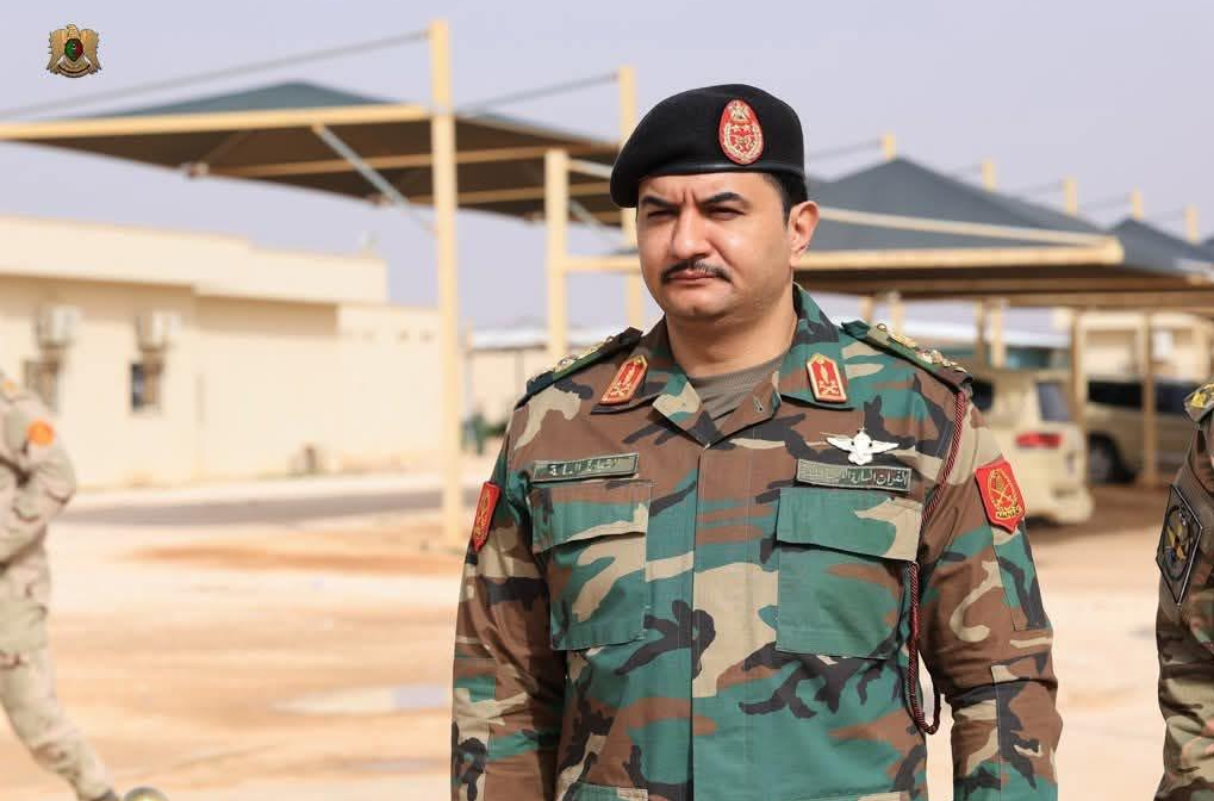
Their arrival in Benghazi, a stronghold of Libyan military leader Khalifa Haftar, has intensified speculation about Libya’s growing role in regional mediation. Reports suggest that figures within Haftar’s inner circle may have facilitated the release, with his son, Saddam Haftar, reportedly involved in the process. However, the specifics of the deal—whether financial, political, or humanitarian—remain shrouded in secrecy.
This intervention, if confirmed, signals a shift in how hostage crises are managed in the Sahel. Libya, despite its internal divisions, has become a critical node in transnational negotiation networks. Eastern Libyan authorities may see such operations as a way to demonstrate operational capacity and foster new diplomatic ties with European governments. Yet without full transparency, it is impossible to assess whether this was an isolated humanitarian gesture or the beginning of a broader strategy.
Niger’s Security Dilemma: Can Kidnappings Be Prevented?
The case of Gretzmacher and Abbt also serves as a stark reminder of the fragile security environment in Niger. The country continues to face multiple threats from jihadist groups across its northern borders and desert expanses. Agadez, with its strategic location and limited state presence, remains particularly exposed. Distances, logistical hurdles, and the mobility of armed factions make it difficult for security forces to maintain oversight or respond effectively to kidnapping threats.
Diplomatic warnings reflect this reality. Major Western governments have upgraded travel advisories for Niger, with some urging complete avoidance of the region due to terrorism and kidnapping risks. These alerts are more than bureaucratic measures—they reflect the persistent vulnerability of foreigners and the limitations of current protection strategies.
What Do We Know—and What Remains Hidden?
As the two women prepare to return home, the priority shifts to their rehabilitation and reunification with loved ones. Their transfer to Benghazi marks progress, but critical questions linger: Who held them? How were negotiations conducted? Was there a direct intervention by Libyan authorities, and under what conditions?
The absence of official details makes it difficult to draw definitive conclusions. Yet one certainty emerges from the shadows: in a Sahel where threats cross national boundaries, hostage releases often hinge on complex, discreet channels of communication. For Gretzmacher and Abbt, captivity has ended. For regional governments, the challenge endures: preventing tomorrow’s abductions and reinforcing the frameworks that protect both citizens and foreign visitors in a rapidly changing crisis landscape.
Their story is not just one of survival—it is a call to reassess how security, diplomacy, and resilience intersect in a region where borders offer little protection from armed groups and evolving threats.