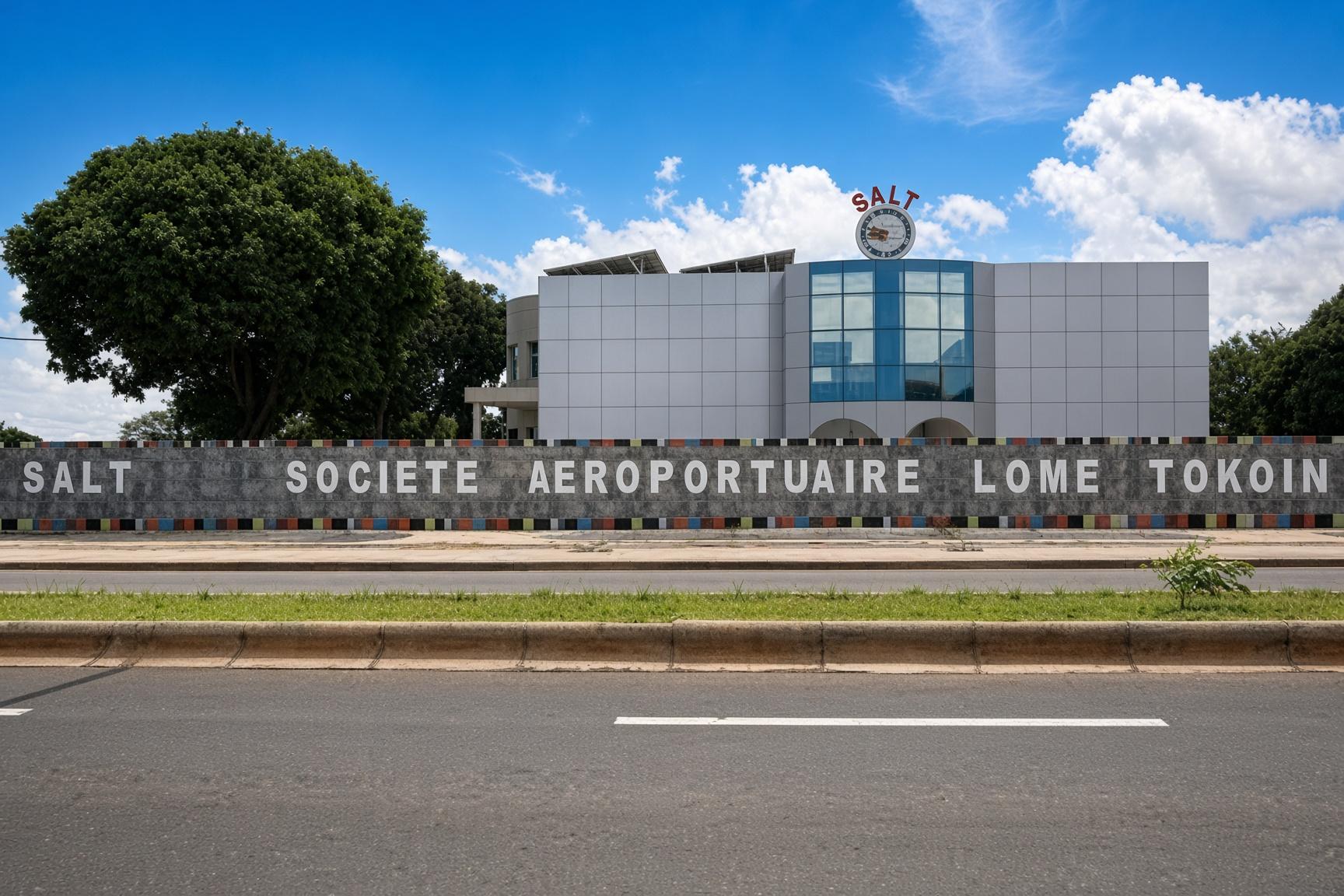
Is it possible to reconcile operational excellence with the preservation of national sovereignty when it comes to a key infrastructure like an international airport? In Lomé, the answer is taking shape as the Togolese authorities prepare to entrust the commercial management of the Aéroport International Gnassingbé Eyadéma (AIGE) to a French giant—posing a strategic dilemma between global standards and local control.
From public embarrassment to private solution
The turning point came with an incident so extreme it could no longer be ignored: a catastrophic failure of sanitary systems in the departure hall. What began as a minor technical glitch spiraled into a grotesque spectacle described by travelers and observers alike as a ‘fecal deluge’, flooding the terminal and exposing the depth of neglect within the Société Aéroportuaire de Lomé-Tokoin (SALT). Officials downplayed the event as a brief malfunction, even accusing social media of spreading doctored images—but the damage to Lomé’s reputation as a modern aviation hub had already been done.
For airlines and passengers, the contrast was damning: modern infrastructure promises met with crumbling facilities and unprofessional responses. The incident forced the Togolese government to confront the harsh truth: its current management model was failing to meet international aviation standards. The only viable path forward? Bringing in an experienced private operator—one with the resources to restore order and rebuild trust.
Lagardère’s entry: progress or loss of autonomy?
Enter Lagardère Travel Retail, the French retail giant now poised to take over the commercial concession and duty-free operations at AIGE. With decades of experience operating high-profile terminals worldwide, the company brings more than just financial muscle—it promises operational excellence. Yet the decision is not without controversy. The partnership places Lomé’s most strategic air gateway under the influence of a company whose parent group, Louis Hachette Group, is ultimately controlled by the Bolloré Group—a name with deep roots in former French colonial networks.
Critics warn that this shift could marginalize local small businesses and artisans in favor of international brands. Duty-free zones, now under foreign stewardship, risk becoming enclaves dominated by global retail chains, sidelining Togo-born vendors whose cultural and economic contributions once defined Lomé’s airport experience.
For the government, the stakes are high on two fronts: reclaiming investor and passenger confidence while ensuring that modernization doesn’t come at the cost of national economic sovereignty. The urgency is clear—after years of investment in positioning AIGE as a regional air transport hub, public frustration has reached a tipping point.
The balancing act: can modernization and local ownership coexist?
As negotiations reach their final stages, all eyes are on Lagardère’s vision for the AIGE. Will the French group meet its promises of structural upgrades, streamlined operations, and enhanced passenger experience? Or will the deal result in a commercial takeover where foreign interests overshadow local development?
Local economists and civil society groups are already voicing concerns over profit repatriation and the long-term capacity of Togolese businesses to compete within a privatized terminal. Yet the alternative—a return to the status quo—is no longer an option. The question now is not whether to modernize, but how to modernize without surrendering control. For Togo, the stakes couldn’t be higher: either reclaim its place as a competitive aviation leader in West Africa, or risk watching its most visible global gateway fall under foreign management.
What’s next for travelers and businesses?
- Expect rapid upgrades: Restroom facilities, terminal cleanliness, and operational protocols will undergo immediate overhauls—though travelers may see temporary disruptions during construction.
- New retail landscape: While duty-free areas will feature global brands, local vendors may lose priority shelf space unless inclusion clauses are enforced.
- Regulatory oversight: The government has hinted at strict audits to ensure compliance and prevent monopolistic practices by the new operator.
The coming months will reveal whether this gamble pays off—or whether Lomé’s dreams of becoming a premier West African hub will remain just that: a dream.