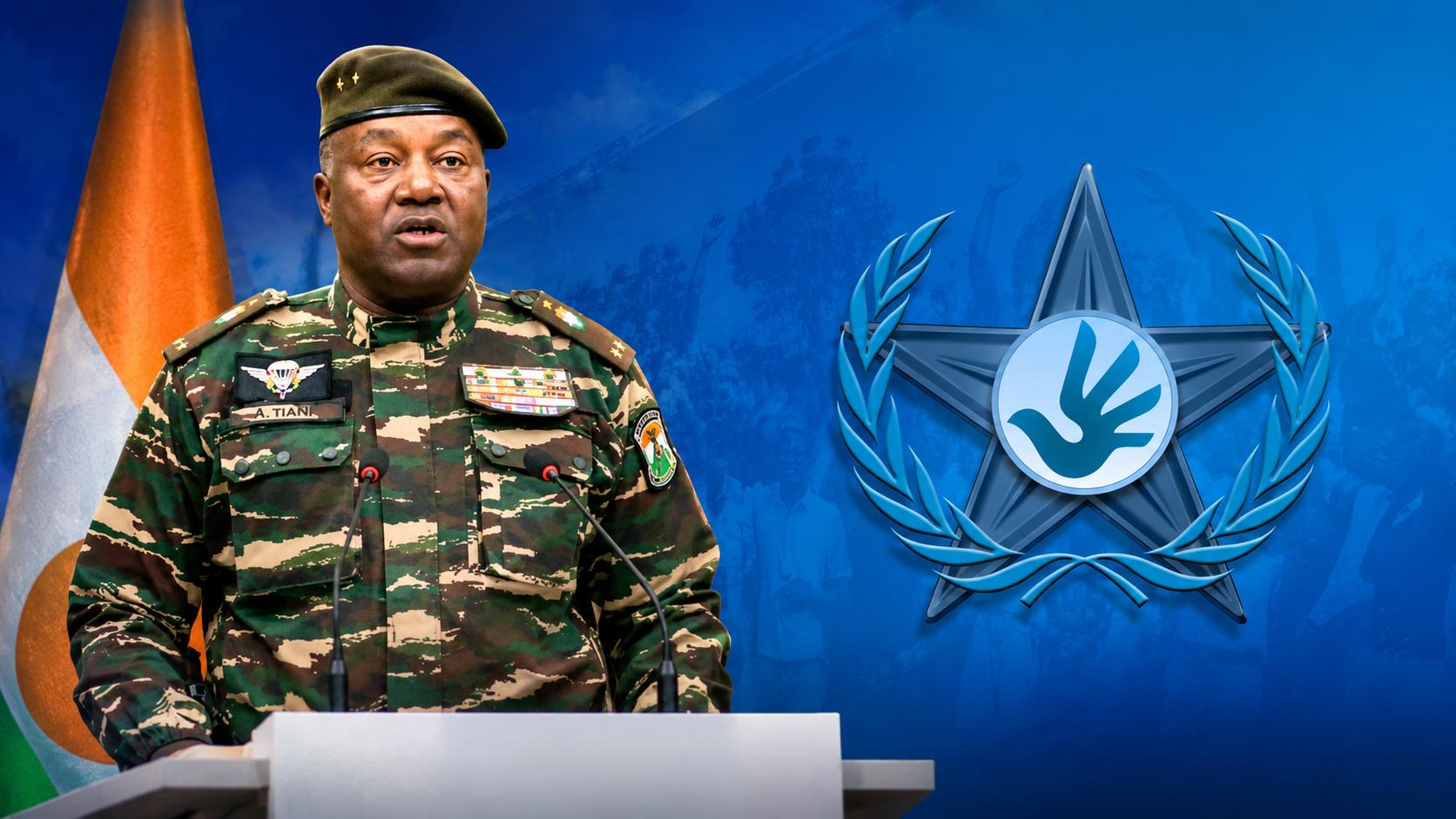
Three years after General Abdourahamane Tiani led the overthrow of elected President Mohamed Bazoum, Niger faces a deepening crisis marked by systemic human rights violations, political repression, and growing international isolation. A scathing report by Human Rights Watch highlights the accelerated erosion of democratic institutions under the National Council for the Salvation of the Homeland (CNSP), now consolidating authoritarian control under the guise of national security and sovereignty.
Political detentions and weaponized justice
The continued arbitrary detention of former President Mohamed Bazoum and his wife stands as a stark emblem of the junta’s unyielding grip on power. Despite repeated calls from international bodies and a formal request from the UN Working Group on Arbitrary Detention for their immediate release, the military leadership remains defiant, refusing to acknowledge legal or humanitarian obligations.
Civil society has not been spared. The arrest of prominent human rights defender Moussa Tiangari in late 2024 exemplifies the regime’s tightening grip. When defense lawyers invoked standard pre-trial detention limits—12 months in terrorism-related cases—authorities abruptly amended the Penal Procedure Code, extending the maximum detention period to four years. Critics denounce this move as a retroactive manipulation of judicial rules, designed to prolong incarceration without due process.
Media suppression and targeted repression
The junta has systematically dismantled civic freedoms, targeting dissent through legislative and coercive means:
- Political and labor organizations banned: All political parties have been dissolved, labor unions suspended, and independent NGOs shut down under vague national security pretexts.
- Press freedom under siege: Using an amended cybercrime law, authorities are aggressively silencing independent media. In October, six journalists in Niamey were detained merely for publicizing a press briefing invitation.
- Exile opposition under threat: The regime has escalated repression beyond borders, stripping dissidents of nationality. A recent high-profile case involved Mariama Djibrine, a well-known regional opposition figure, whose citizenship was revoked.
Legal persecution and social regression
In a further blow to civil liberties, the regime amended the Penal Code in March to criminalize same-sex relations and LGBT support activities, imposing sentences of five to 20 years in prison. This draconian measure has already led to multiple arrests and disrupted vital public health initiatives, particularly those addressing HIV prevention and care.
On the diplomatic front, Niamey has pursued a deliberate path of disengagement. Following its withdrawal from the Economic Community of West African States (ECOWAS), Niger exited the International Criminal Court (ICC) in June. Analysts warn this withdrawal deepens the country’s isolation, leaving citizens without legal recourse against abuses, especially in volatile regions like Tillabéri, where civilian casualties continue to mount amid military operations.
With the situation deteriorating across multiple fronts, international observers and human rights groups urge global partners to move beyond passive diplomacy. They call for decisive action to demand the release of political detainees and the restoration of a clear roadmap toward civilian governance—essential steps to avert further democratic collapse.