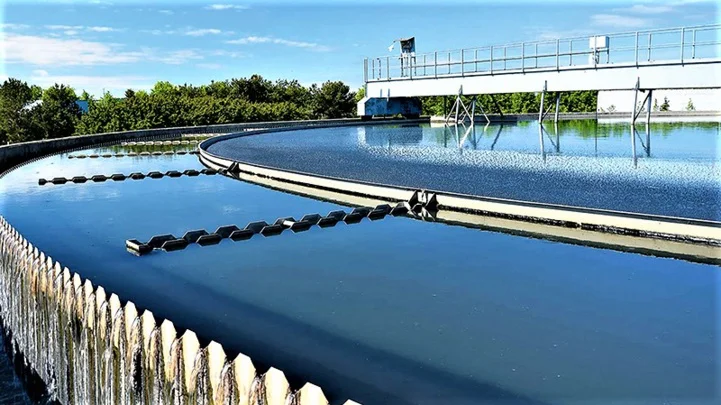
The French multinational Veolia and Morocco’s Ministry of the Interior have reignited negotiations for the Rabat desalination plant, a critical infrastructure project with an annual capacity of 300 million cubic meters. Backed by the Élysée, the initiative regains momentum after months of stalled discussions.
Key details of the desalination project
The proposed plant aims to produce 822,000 cubic meters of drinking water daily, relying on renewable energy sources. Central to the talks is the cost of desalinated water, as both parties seek a mutually acceptable rate of 4.5 Moroccan dirhams per cubic meter.
Challenges and progress in the partnership
Although negotiations paused temporarily, they were not derailed by unilateral decisions but rather by financial discrepancies and environmental considerations. A memorandum of understanding was signed in October 2024 during a state visit by the French President, outlining the framework for the plant’s construction.
Located along the Atlantic coast near Rabat, the facility will operate under a public-private partnership. Veolia will oversee the design, financing, construction, and operation of the plant for a 35-year term, ensuring long-term sustainability.
Impact on Morocco’s water supply
Once operational, the desalination plant will supply water to the Rabat-Salé-Kénitra and Fès-Meknès regions, meeting the needs of approximately 9.3 million people. The project underscores Morocco’s commitment to addressing water scarcity through innovative solutions.
The recent developments follow the Morocco-France High Joint Commission meeting in Rabat, co-chaired by the French Prime Minister and Morocco’s Head of Government, highlighting the ongoing collaboration between the two nations.
Expanding opportunities in Morocco’s desalination sector
Morocco’s desalination market continues to draw international interest, with Spanish firms Acciona and Cox vying for the contract to build the Tangier desalination plant. Expected to commence operations between 2028 and 2029, this facility will generate 150 million cubic meters of water annually.