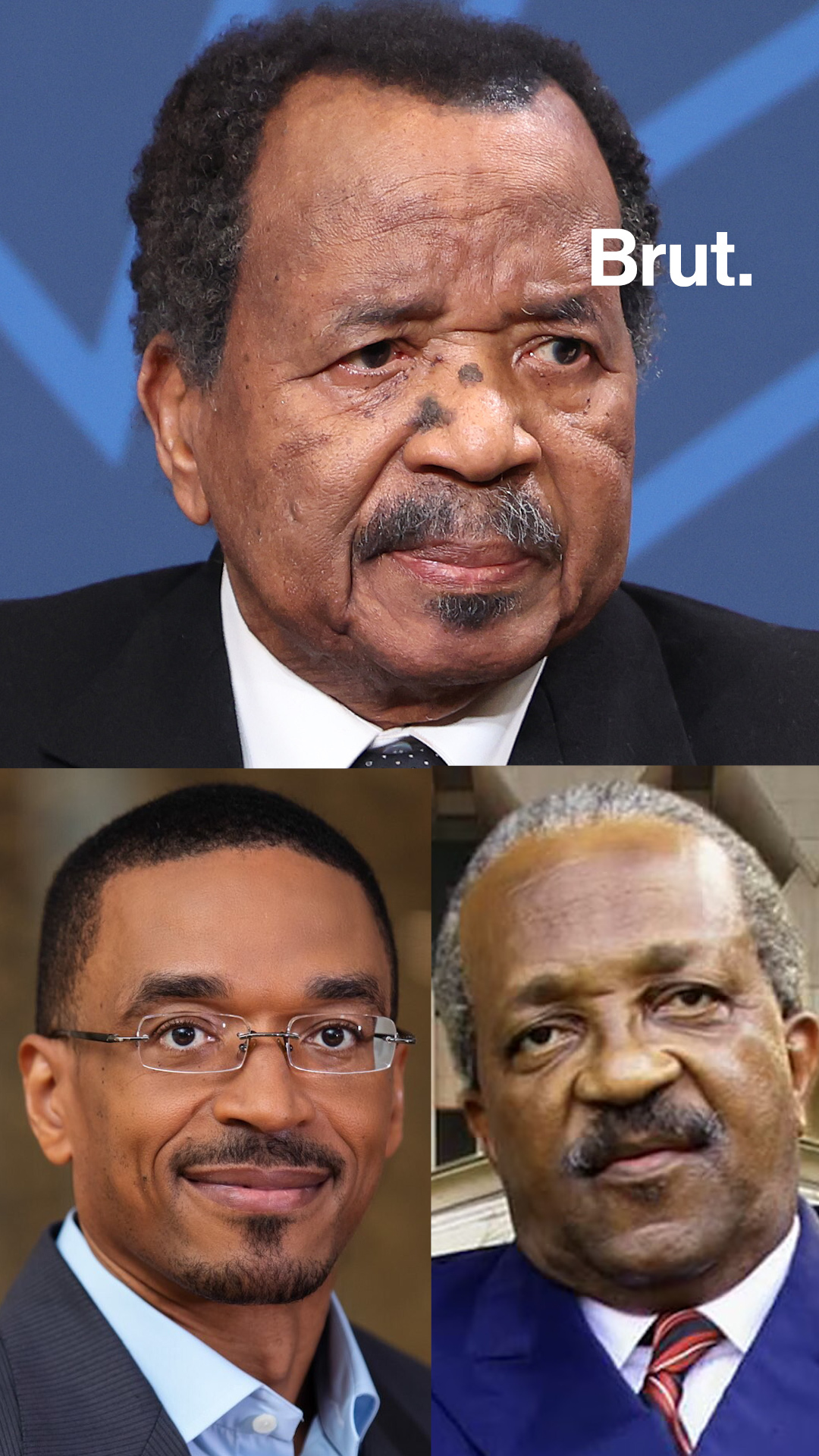
In a significant development in Yaoundé, Cameroonian law enforcement has taken into custody an individual who has long maintained a controversial public persona as the eldest son of President Paul Biya. The arrest follows an extensive manhunt initiated months earlier, prompted by serious allegations including identity fraud, defamation, and cyber-related offenses.
Georges-Gilbert Baongla, whose name has frequently surfaced in national media discussions, was apprehended by judicial authorities after evading law enforcement for an extended period. His prolonged absence from legal scrutiny only amplified public curiosity and speculation surrounding his claims.
Legal allegations and public claims
Baongla’s decades-long assertion of being the biological offspring of the Head of State has drawn both attention and skepticism. The legal case against him centers on multiple charges that question the legitimacy of his public statements and online activities. Authorities have accused him of deliberately misleading the public by falsely presenting himself as a close relative of the President, thereby damaging reputations and potentially manipulating public perception.
Beyond identity fraud, the prosecution points to repeated instances where Baongla allegedly used digital platforms to spread defamatory remarks about public officials and institutions. These actions are said to have contributed to a climate of misinformation, prompting authorities to pursue charges related to cybercrime. The combination of these offenses has led to his current detention as the judicial process unfolds.
Implications for public trust and governance
The arrest is expected to have ripple effects across Cameroonian society, particularly in the realm of political discourse. Public figures and citizens alike have grappled with the implications of Baongla’s prolonged impersonation, which some argue has undermined trust in national leadership narratives. While the legal system now takes precedence, the incident has reignited conversations about accountability and the boundaries of public identity in the digital age.
As the investigation continues, attention remains focused on the court proceedings and the evidence presented by prosecutors. The outcome will not only determine Baongla’s legal fate but may also set a precedent for how similar cases involving impersonation and cyber misconduct are addressed in the future.
What comes next?
With the defendant now in custody, Cameroonian authorities are preparing to present their case before the judiciary. Legal experts anticipate a trial that will scrutinize the evidence linking Baongla to the alleged crimes. Observers will be closely monitoring how the case is handled, particularly in light of its potential to influence public confidence in national institutions and digital communication standards.