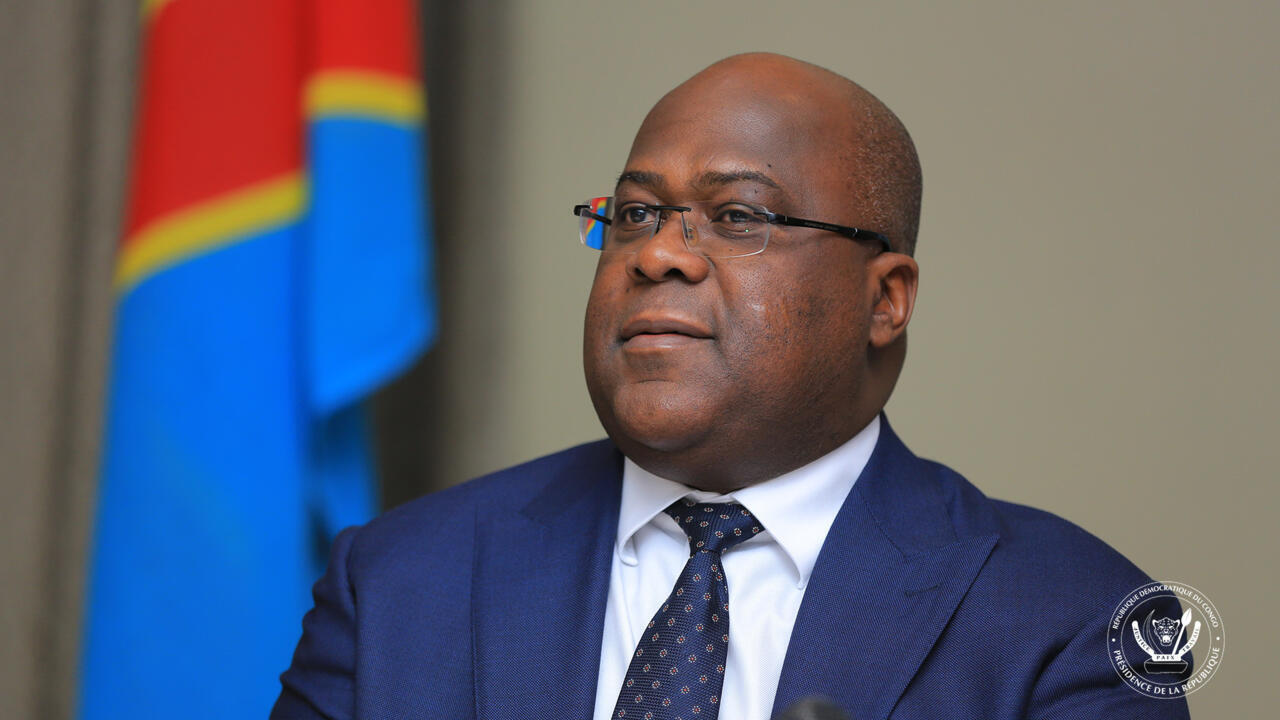
The Democratic Republic of Congo is at a critical juncture as opposition forces push back against President Félix Tshisekedi’s potential third term bid. Demonstrations planned for July 22 have been postponed, but the opposition remains resolute in its demands: a national dialogue must commence before August 15. What do citizens expect from this much-anticipated forum?
Why the urgency over Félix Tshisekedi’s third term?
The opposition’s stance hinges on constitutional concerns, arguing that Félix Tshisekedi’s eligibility for a third consecutive term is constitutionally prohibited. The group has set a firm deadline for the national dialogue to address these grievances, warning of escalating tensions if their demands are not met.
Key expectations from the national dialogue
The opposition’s demands include:
- Constitutional clarity: Ensuring adherence to the current constitutional limits on presidential mandates.
- Inclusive participation: Broad representation of political factions, civil society, and religious leaders to foster genuine consensus.
- Security guarantees: Measures to prevent electoral violence and protect civilian lives, particularly in conflict-prone regions.
Potential outcomes and risks
The national dialogue could either de-escalate tensions by addressing opposition concerns or exacerbate divisions if perceived as a tool to consolidate power. Citizens are closely watching whether the forum will lead to substantive reforms or remain a symbolic gesture.
Public sentiment and the road ahead
With the opposition’s ultimatum looming, citizens are weighing in on the dialogue’s potential to either restore stability or deepen political fractures. The coming weeks will reveal whether President Tshisekedi’s initiative can bridge divides or fuel further unrest.