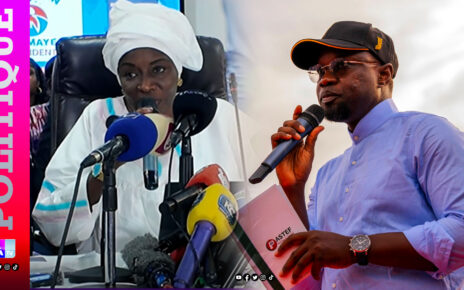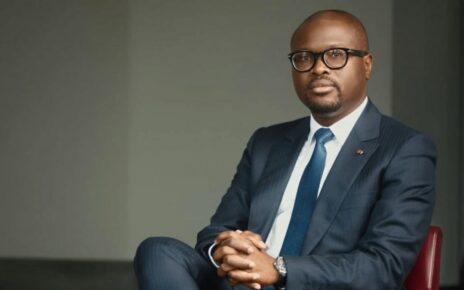
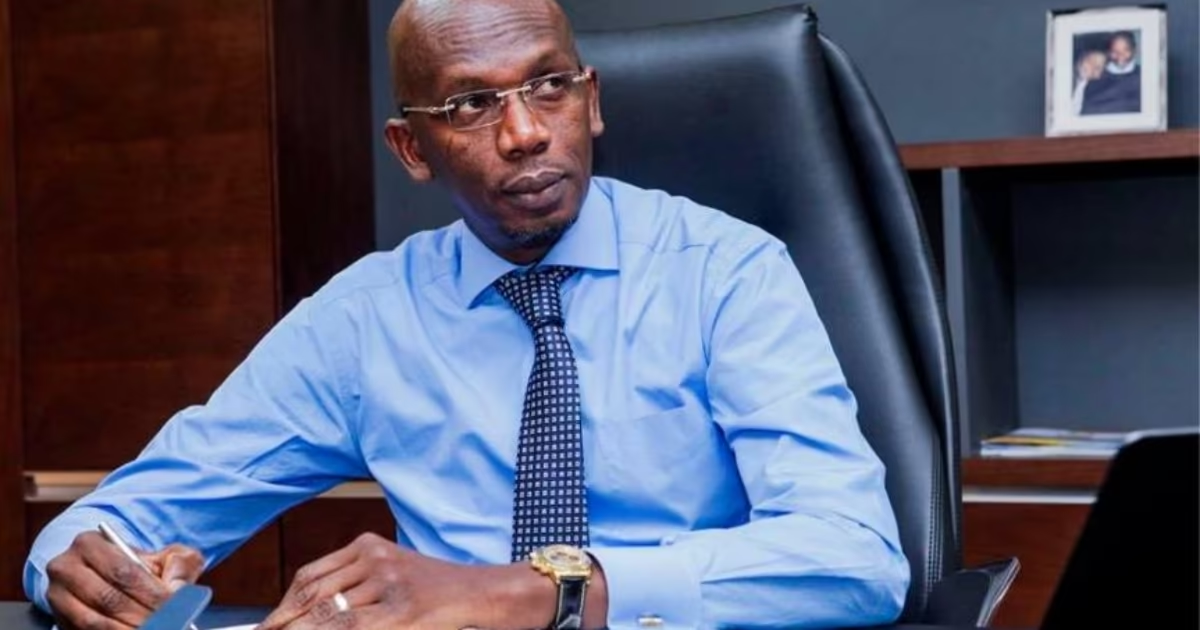
Lansana Gagny Sakho, a former close associate of Ousmane Sonko, has leveled sharp criticism against his former mentor, accusing him of failing to uphold the values of Senegal’s Republic. Speaking in a recent interview, Sakho—now a leading figure in the Kiiraay party led by President Bassirou Diomaye Faye—revealed the reasons behind his break from Sonko’s movement, emphasizing his unwavering commitment to institutional integrity.
Rejecting power for principles
Sakho, who currently serves as Chairman of the Board of the APIX, disclosed that after Senegal’s political transition, he was offered a key position in the water and sanitation sector. However, he declined the opportunity, prioritizing his principles over political gain. « I refused to place positions above my convictions. That decision allowed me to walk away with my integrity intact. From the very beginning, I chose the Republic, » he stated.
His remarks highlight a fundamental divergence in their political philosophies. While Sakho aligns himself with the nation’s democratic institutions, Sonko’s public statements and actions, he argues, have consistently undermined the cohesion of the state.
A clash of visions for Senegal
Sakho’s criticism extends to Sonko’s perceived lack of respect for state authority. He pointed to a public statement made by Sonko during President Faye’s official visits to the United States and China, where Sonko publicly questioned the government’s authority. According to Sakho, such remarks not only embarrassed the Head of State but also contributed to a destabilizing narrative at a critical moment for Senegal.
The former ally acknowledged that challenges have arisen « on both sides » during the political transition. However, he emphasized the progress made in strengthening Senegal’s judicial system, describing recent reforms as a step forward for the country’s democratic governance.
The justice ministry reshuffle under scrutiny
Sakho also addressed the recent changes at the Ministry of Justice, where the former Minister, Ousmane Diagne, had publicly declared that no one could manipulate him. Sakho alleged that the reshuffle was an attempt to install a more pliable figure to influence judicial decisions. « That assumption reveals a fundamental misunderstanding of how the judiciary operates, » he asserted. « Magistrates are not puppets, and the realities of power are far more complex than opposition voices suggest. »
His comments underscore a broader debate about the role of institutions in Senegal’s evolving political landscape, as the country navigates the challenges of democratic consolidation.