An unexpected political challenge has emerged in Paris over Gabon’s involvement in the recapitalization of Eramet, a French mining giant. In a written parliamentary question submitted to the French government, deputy Arnaud Le Gall (LFI-NFP) raises serious doubts about the true motives behind Libreville’s financial commitment. The deputy argues that what is being presented as a strategic move to bolster Gabon’s control over its mineral resources may actually serve as a financial lifeline for the Duval family, Eramet’s controlling shareholder through the Société de Développement et de Participations Minières et Industrielles (SDPMI).
Government narrative under scrutiny
Gabonese authorities framed the capital injection as a landmark achievement in their ongoing effort to reclaim sovereignty over natural resources. As the world’s leading producer of manganese via its historic subsidiary Comilog, Gabon sought to strengthen its influence within Eramet’s governance structure and secure a larger share of extractive revenues. This strategic repositioning aligns with recent reforms to the mining code and the state’s renewed presence in key industrial sectors.
Arnaud Le Gall challenges this official interpretation. In his view, the capital infusion represents less a sovereignty triumph and more an emergency bailout for French shareholders facing financial strain. The Duval family, with its long-standing ties to Eramet, has confronted documented financial pressures across its holdings. By bringing in external sovereign investment, the recapitalization stabilizes the ownership structure without forcing drastic dilution of historical stakes.
Gabon’s manganese at the heart of the controversy
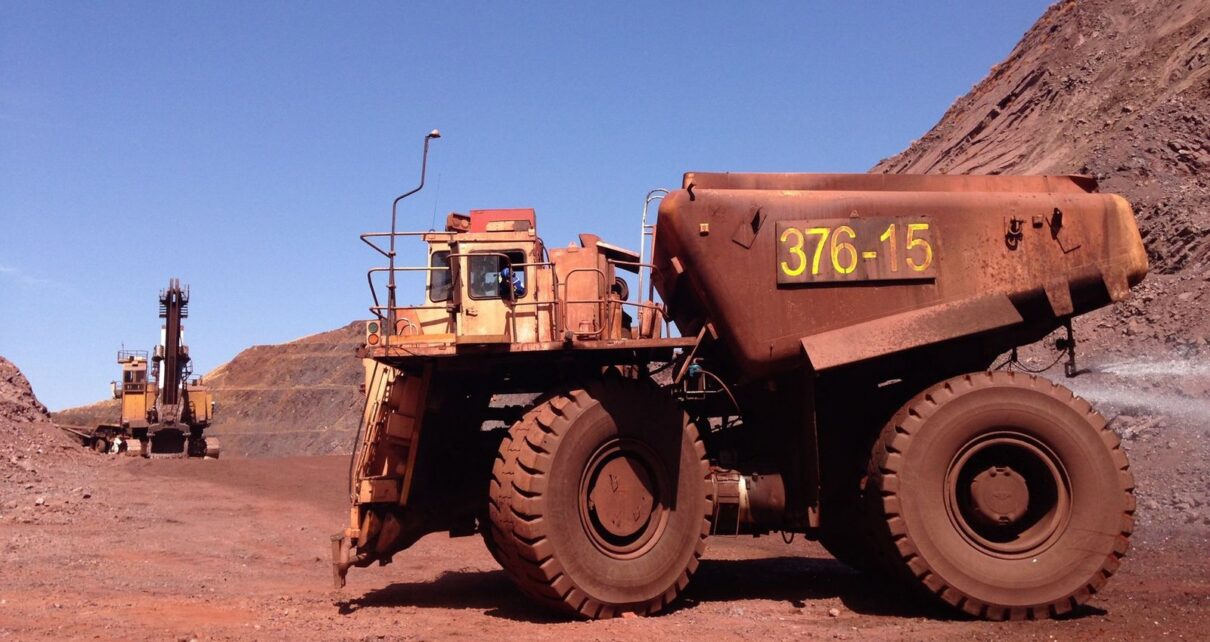
The industrial context amplifies the stakes in this political debate. Gabon contributes significantly to Eramet’s revenue through Comilog, whose manganese exports feed global steel production and, increasingly, battery supply chains. Eramet is also advancing projects in nickel and lithium—critical metals for the energy transition. This operational dependence on Gabonese soil creates an imbalance: Libreville provides the raw material, while value addition and strategic decisions occur elsewhere.
The capital injection aimed precisely to address this imbalance. Yet as the parliamentary question highlights, crucial details remain unclear. Deputy Le Gall probes the financial terms of the deal, Gabon’s governance safeguards, and whether French public interests played any role in structuring the transaction. He calls on the French government to clarify its position and disclose any public backing for the arrangement.
The broader implications of this financial transaction
Beyond the Eramet case, the parliamentary challenge reignites a persistent debate about Franco-Gabonese economic relations. Since Gabon’s political transition, authorities in Libreville have sought to renegotiate long-standing economic arrangements in both hydrocarbons and mining sectors. Several French firms once firmly entrenched in the country now face revised terms or reduced influence. The Eramet recapitalization stands out, however, as an unusual instance where an African state injects capital into a French corporation rather than the reverse.
This role reversal explains the intensity of the controversy. Advocates view the transaction as proof of emerging African sovereign influence in the governance of major European extractive companies. Critics like Arnaud Le Gall question the financial logic behind the investment and its cost-benefit ratio for Gabon’s public finances. The French government must respond to the parliamentary question within regulatory deadlines, which could shed light on previously undisclosed aspects of the deal.
The affair underscores the growing complexity in economic ties between Paris and its African partners, where every major capital transaction now sparks competing interpretations. The deputy seeks comprehensive clarity on the financial parameters of the recapitalization and any commitments made by the French executive.