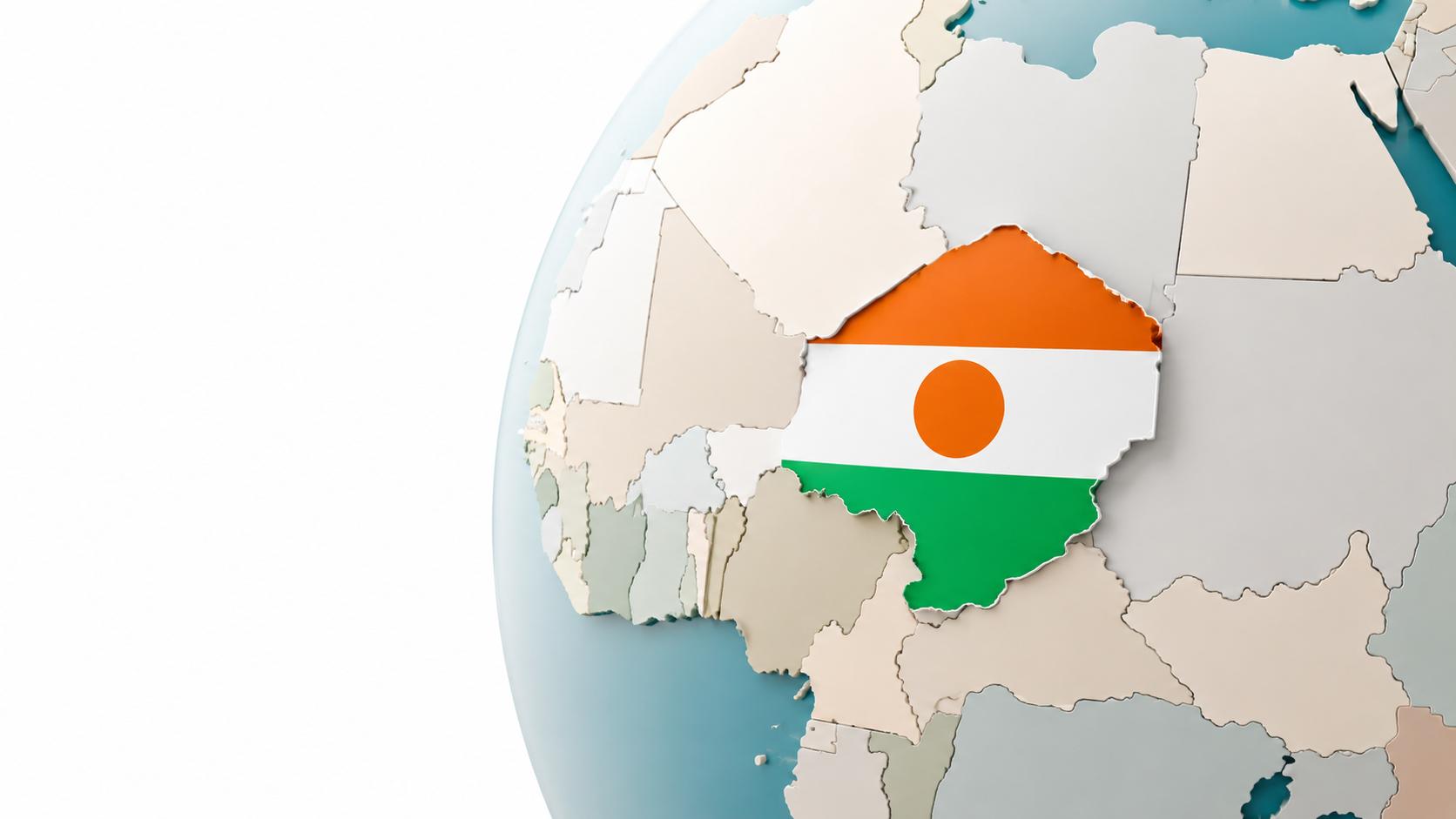
For over half a century, Niger’s political trajectory has been a disheartening cycle. From the overthrow of Hamani Diori in 1974 to the recent events that unfolded in Niamey on August 29, 2026, and including the eras of Baré Maïnassara and Salou Djibo, the nation has persistently sought solutions to its profound crises amidst military interventions. Yet, the outcome of five decades of military instability is unequivocally clear: no coup d’état has ever delivered lasting answers for Niger’s development, national cohesion, or security challenges.
Each military junta seizes power by portraying itself as a temporary savior, vowing to restore national dignity. However, every military transition inevitably becomes protracted, leads to isolation, and ultimately creates the very conditions for its own downfall. Recent developments merely underscore a proven historical truth: the current deadlock is not an anomaly but the predictable consequence of relying on military solutions.
The illusion of ‘strong power’ versus the reality of the barracks
A fundamental flaw within the political culture of coups is the erroneous belief that brute force equates to stability. In reality, when a governing authority disregards constitutional norms:
The military forfeits its republican purpose: Transformed into a political battleground, the armed forces become fractured by rival factions. Instead of dedicating all operational resources to border defense and counter-terrorism efforts, the high command expends its energy monitoring barracks and thwarting internal conspiracies.
Sovereignty becomes an empty slogan: Lacking popular legitimacy and robust institutions, exceptional regimes invariably seek external sponsors to ensure their survival. This pursuit of opportunistic alliances or reliance on foreign paramilitary forces merely replaces one form of dependency with another, simultaneously eroding national cohesion.
The social contract is shattered: Without checks and balances, an independent judiciary, and a free press, citizens are reduced to powerless observers of their own destiny. Public disillusionment, though initially silent, inevitably paves the way for new uprisings.
Democracy, the sole guarantor of republican continuity
Confronted by the perils of armed conflict, democracy is neither an imported luxury nor a sign of weakness; it stands as the singular institutional mechanism capable of resolving crises without bloodshed.
It is no mere coincidence that Niger’s democratic transition between 2011 and 2023, despite immense security and economic hurdles, facilitated the nation’s first peaceful transfer of power at the highest level. Democracy offers what the barrel of a gun will always deny:
The peaceful regulation of power: It enables the replacement of a contested leader through the ballot box, thereby averting mutinies, ambushes, and palace intrigues.
International and economic legitimacy: An elected government benefits from a strong institutional foundation to forge sustainable partnerships, attract investments, and formulate a genuine development strategy.
The military’s return to its core roles: By entrusting governance to civilians, the armed forces reclaim their dignity and sacred mission: to protect the territory and its people under a unified and respected chain of command.
Breaking the curse
Niger now stands at a pivotal juncture. Continuing down the path of military regimes condemns the nation to an endless succession of coups, purges, and regional destabilization.
It is time to discard the illusions of military solutions. The true strength of a nation is not measured by the number of armored vehicles stationed outside the presidential palace, but by the resilience of its institutions and the unwavering trust of its populace. Only a courageous, clear-sighted, and unconditional return to democratic principles will enable Niger to finally break the cycle of military interventions and rediscover the path to lasting peace.