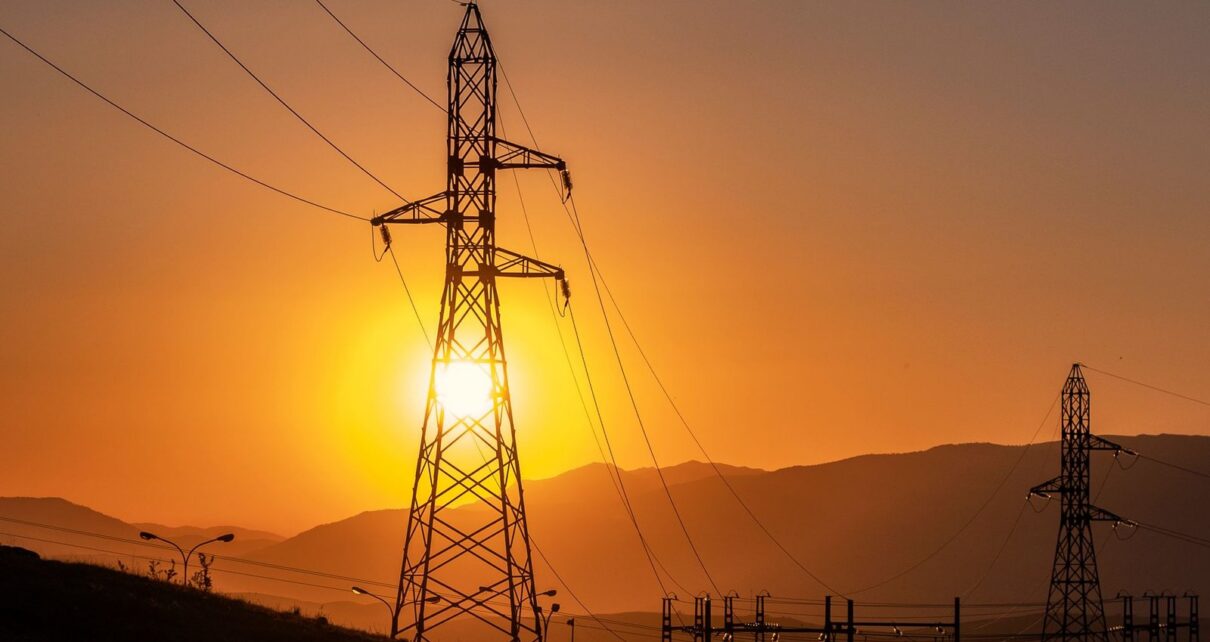
The era of the Société d’énergie et d’eau du Gabon (SEEG) has officially concluded. During a cabinet meeting on Thursday, the Gabonese government approved two draft laws to dissolve the single operator in favor of two specialized entities. The first, La Gabonaise des Eaux, will oversee the production and distribution of drinking water, while the second, Électricité du Gabon, will manage the electricity sector from generation to market distribution. Both will operate as mixed-economy companies, combining public and private capital.
Breaking away from decades of a unified utility model
Established in 1997 under a 20-year concession awarded to the French group Veolia, SEEG embodied the integrated utility model, merging water and electricity under one banner—a common practice in Francophone Africa during the late 1990s. However, over time, this model proved unsustainable in Gabon, plagued by persistent outages, aging infrastructure, and chronic financial strain. Even after the concession reverted to public control in 2018, service quality continued to deteriorate, drawing criticism from both households and businesses alike.
By splitting the two sectors, Libreville aims to harness specialization. The economic and technical demands of electricity and water are fundamentally distinct. Electricity requires heavy investments in thermal and hydroelectric production, energy mix optimization, and high-voltage grid management. Water, on the other hand, hinges on resource access, treatment, and urban network expansion. Merging both under one roof often diluted investment priorities and obscured accountability.
Mixed-economy companies: a strategic gamble
The decision to adopt the mixed-economy company model reflects a deliberate strategy. Authorities seek to retain public oversight of essential services while inviting technical and financial partners to inject capital and expertise. This hybrid model has been tested elsewhere in Africa, with mixed outcomes. In Senegal, Sen’Eau partners with Suez since 2020 to manage drinking water distribution, while Ivory Coast’s CIE and SODECI serve as regional benchmarks in the water and electricity sectors, respectively.
The specifics of capital distribution in the new entities remain undisclosed, along with potential strategic partners. No operational timeline has been released, nor details about the fate of SEEG’s assets, liabilities, or workforce. Transferring existing contracts, accumulated debts, and international commitments will pose significant challenges during the transition.
A political litmus test for the Transition
Beyond technical considerations, the reform carries substantial political weight. The transitional authorities, led by the Comité pour la transition et la restauration des institutions (CTRI), have prioritized public service improvement as a cornerstone of their agenda. Unreliable water and electricity supply has been a persistent grievance among Gabonese citizens, particularly in Libreville’s outskirts and Port-Gentil. Institutional reform alone cannot reverse decades of infrastructure neglect.
International lenders, including the African Development Bank and France’s Agence française de développement, will closely monitor the implementation of this new framework. Its success hinges on robust governance within the new companies, fair tariff structures, and a regulator’s ability to balance financial sustainability with service affordability. For Gabon’s industrial sector—especially mining and timber companies with high energy demands—the stability of the new system will be critical. The draft laws must still pass scrutiny in the Transition Parliament before taking effect.