Gabon targets economic transformation with strategic mineral wealth
Libreville, June 26, 2026 – As industrial powers engage in a high-stakes race to secure critical minerals, a more consequential contest is unfolding in resource-rich nations. The battle isn’t just about extraction anymore; it’s about value creation.
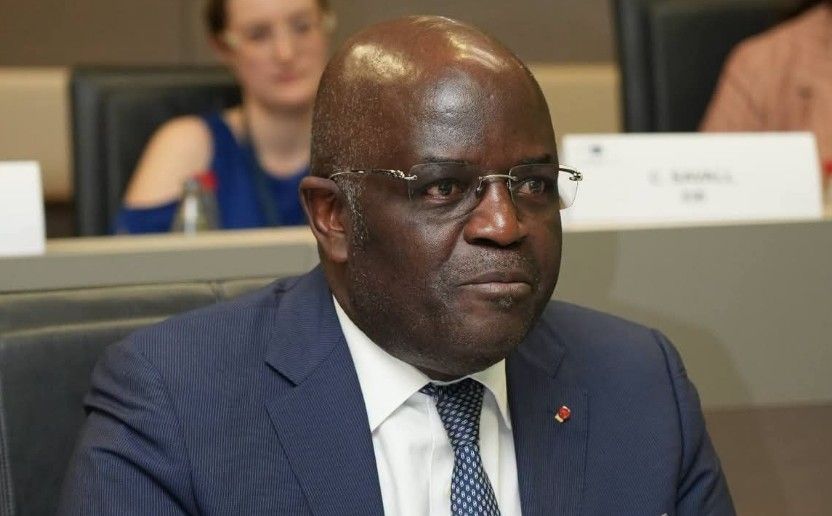
For decades, countries blessed with abundant natural wealth have largely played the role of raw material suppliers. But today, a shift is underway. At a high-level conference in Brussels, co-organized by the African, Caribbean, and Pacific Group of States and the European Investment Bank, Gabon boldly championed this new economic vision.
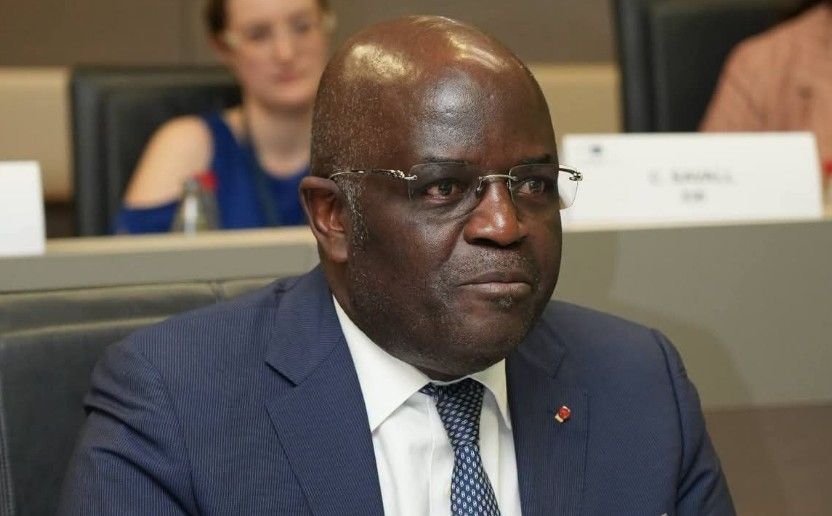
Speaking on behalf of the nation, Ambassador Eudes Régis Immongault Tatangani outlined a strategy that extends far beyond Gabon’s borders. His message was clear: the time has come to replace the outdated extractive model with a fresh economic contract—one that prioritizes local processing and integration into global industrial value chains.
The end of the traditional extractive model
The surge in global demand for critical minerals stems from the energy transition, digital revolution, and rapid advancements in emerging technologies. Electric vehicle batteries, renewable energy systems, artificial intelligence, and advanced manufacturing all rely on minerals like cobalt, manganese, and iron ore—many of which are found in abundance across Africa.
Ambassador Immongault emphasized that while the world’s appetite for these resources grows, African nations must resist the trap of remaining mere suppliers. True economic prosperity, he argued, isn’t measured by the volume of exported raw materials but by a country’s ability to transform them into sustainable growth, skilled employment, and industrial development.
This perspective aligns with growing consensus among global economists. Nations that export unprocessed resources capture only a fraction of their inherent value. The real wealth is generated downstream—through industrial processing, manufacturing, and technological innovation. Gabon is determined to break this cycle.
Building African value chains
The Gabonese ambassador advocated for an integrated approach, from mining to industrial processing. This requires massive investments in energy infrastructure, rail networks, ports, and logistics to support a competitive industrialization drive.
Libreville’s push for local transformation has been gaining momentum. Over the past few years, Gabon has launched initiatives to boost processing in key sectors like timber, mining, and manufacturing. The goal is twofold: reduce reliance on raw material exports while cultivating industries capable of generating greater domestic wealth.
This strategy also responds to a shifting geopolitical reality. Producer nations are no longer content being treated as mere suppliers. They seek recognition as full-fledged industrial partners in global trade negotiations.
The demand for balanced partnerships
Beyond infrastructure and capital, Ambassador Immongault stressed the importance of partnership quality. Successful transformation, he noted, hinges on collaboration models that prioritize technology transfer, workforce training, and local skill development.
This principle has become central to international debates on critical minerals. Economic sovereignty isn’t just about controlling resources—it’s about mastering the expertise and technologies needed to extract maximum value from them.
Gabon’s intervention in Brussels signals its commitment to reshaping global economic relations. By moving from raw material exporter to industrial player, the country aims to embed its development within the new economic order of the 21st century.
The battle for critical minerals won’t be won in the mines alone. It will be decided in factories, research labs, logistics hubs, and training centers. Gabon is placing its bet on this conviction—and it could well define Africa’s economic trajectory for decades to come.