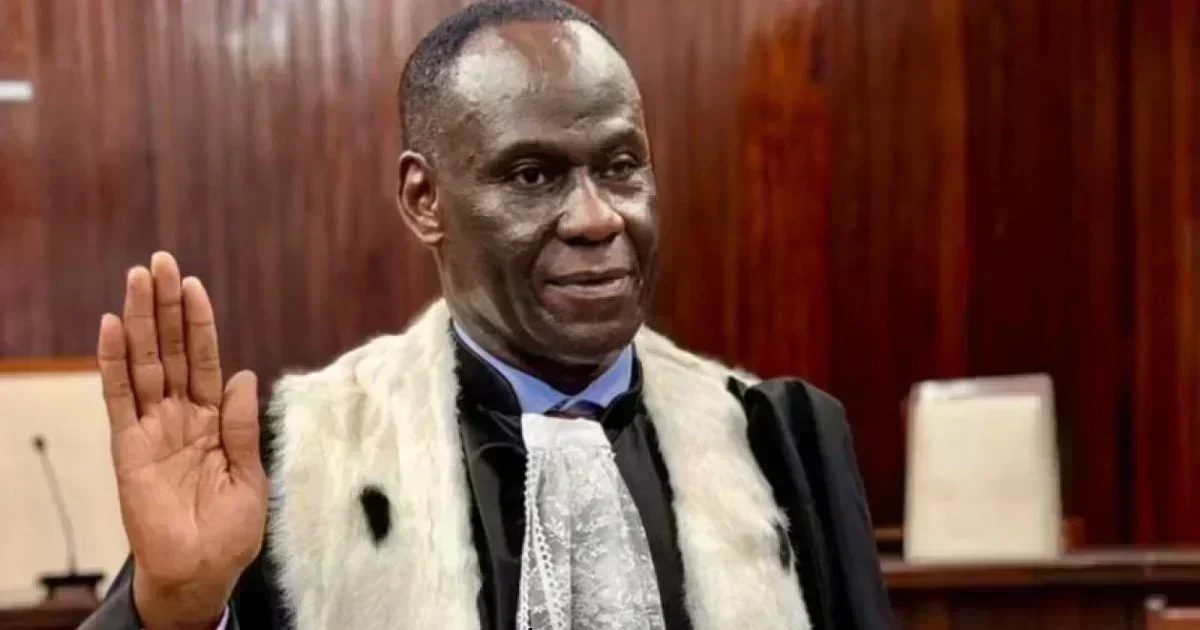
After more than a year of vacancy at the helm of Senegal’s highest constitutional body, Ousmane Diagne has been officially sworn in as the new president of the Constitutional Council. The solemn ceremony took place on Tuesday, August 11, 2026, marking the end of a prolonged institutional transition.
From prosecutor to constitutional guardian
Ousmane Diagne, a career magistrate with decades of service in Senegal’s justice system, was appointed to this prestigious role by presidential decree n°2026-1318 on July 13, 2026. His installation follows the passing of his predecessor, Mamadou Badio Camara, who died in Dakar on April 10, 2025, leaving the institution without leadership for over a year.
An appointment rooted in constitutional tradition
The new president brings extensive expertise to the position, having previously served as:
- Attorney General at the Dakar Court of Appeal
- First Advocate General at the Supreme Court
- Public Prosecutor
- Minister of Justice and Keeper of the Seals in the first government led by Ousmane Sonko
His appointment aligns with legal requirements set by the Constitution, which mandate that the Council’s president must be a magistrate with experience as a First President or Attorney General of the Supreme Court, a chamber president, or a law professor or state inspector with at least 20 years’ experience. Alternatively, senior lawyers with two decades of practice may also qualify.
The constitutional council’s critical role in Senegal’s democracy
The Constitutional Council holds supreme authority over the following functions:
- Ensuring strict adherence to the Constitution
- Reviewing the constitutionality of laws passed by parliament
- Supervising the integrity of electoral processes
With Ousmane Diagne now at its helm, the Council is poised to play a pivotal role in safeguarding Senegal’s democratic institutions and reinforcing public trust in its legal framework.
A magistrate’s legacy of service
Before ascending to the presidency of the Constitutional Council, Ousmane Diagne’s career spanned key positions across Senegal’s judiciary. His leadership in justice reform and commitment to constitutional principles have earned him widespread recognition within legal circles. His appointment reflects not only his professional excellence but also the government’s confidence in his ability to guide the Council through its constitutional mandate.