Democratic Republic of Congo’s Ebola death toll surpasses 2,000
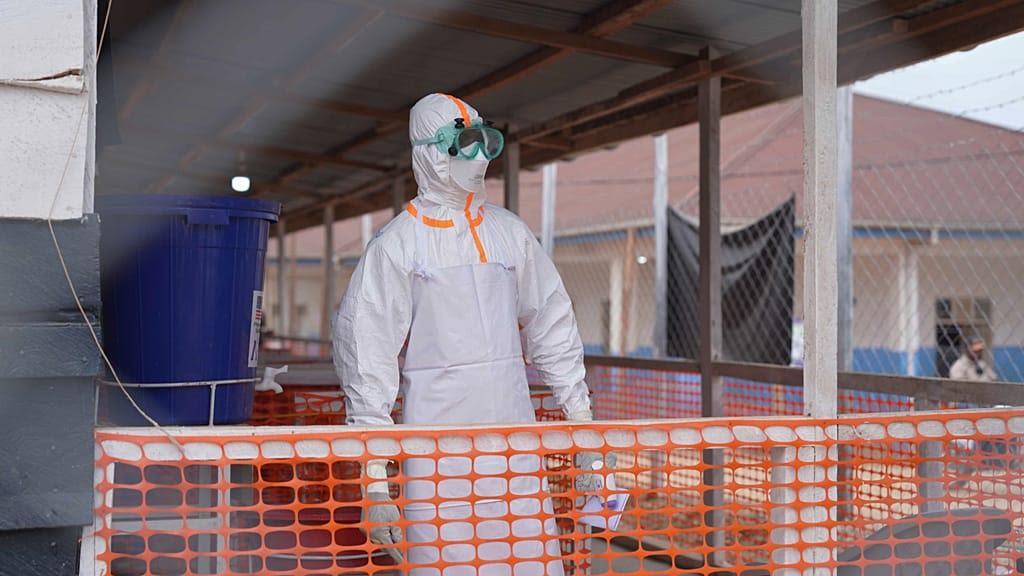
The death toll from the Ebola outbreak in the Democratic Republic of Congo has now exceeded 2,011, according to the latest official figures. Authorities warn this could become the nation’s deadliest health crisis. Government data released overnight shows the outbreak has now infected 4,381 people.
While it took nearly nine weeks to reach the first 1,000 fatalities, the second thousand deaths occurred in just three weeks—a sign the epidemic is accelerating beyond containment efforts.
Health teams are struggling to deliver care in remote areas due to rebel violence, poor road networks, and strikes over unpaid wages, all of which are hampering response efforts.
Dr. Jean-Marie Akandabo, who manages patient care at a clinic in Ituri Province, called the situation “dire” and urged intensified efforts in the most affected communities.
This marks the 17th Ebola outbreak in the DRC, already the worst in the country’s history. “It could become the largest ever recorded,” warned Sania Nishtar, CEO of Gavi, the Vaccine Alliance. The current case fatality rate stands at 45.9%, higher than the 39.6% recorded during the 2014–2016 West Africa outbreak, which remains the deadliest on record with over 11,000 deaths.
State of emergency declared
The outbreak was officially declared on May 15, but genomic sequencing shows the virus likely began circulating as early as February. A national health emergency has since been declared.
This outbreak is unusual because it involves the rare Bundibugyo Ebola strain, for which no approved vaccines or treatments exist. Clinical trials are underway in Ituri, the epicenter of the crisis in eastern Congo.
Humanitarian workers report that transmission continues to outpace response efforts across five eastern provinces. Many health workers have gone on strike over unpaid salaries since the outbreak was declared, while the World Health Organization notes that most new cases are emerging outside monitored contact chains—indicating the virus is slipping through surveillance cracks.
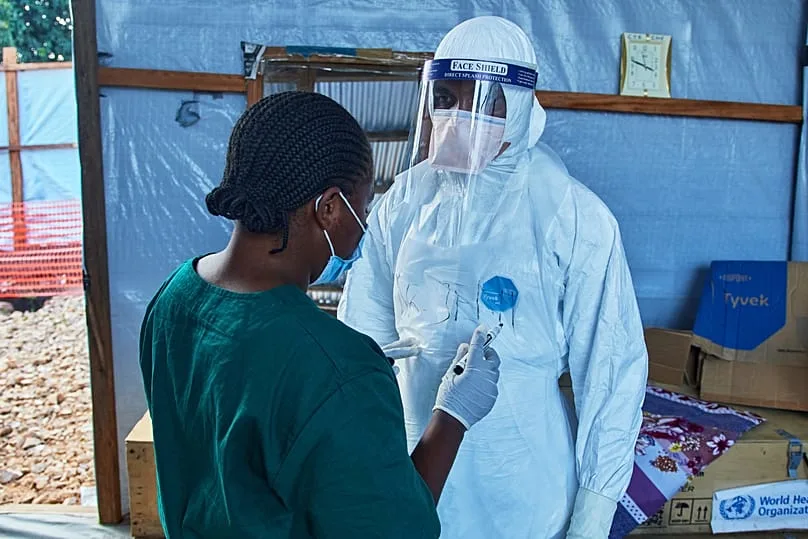
“Without an effective vaccine, controlling this outbreak hinges on rapid case identification and isolation in secure facilities until recovery or death,” said Paul Hunter, a professor of medicine at the University of East Anglia in the UK. In remote, conflict-affected regions with disrupted communications, “early detection to prevent spread becomes nearly impossible.”
On Friday, WHO vaccine experts recommended launching a large-scale human trial using the only licensed Ebola vaccine, Ervebo, to test whether it provides cross-protection against the Bundibugyo strain currently ravaging the DRC—where no specific vaccine exists yet.
Ervebo has proven safe and effective against the Zaire strain, the most common Ebola variant. Preliminary data—including animal studies—suggest it may offer some protection against the Bundibugyo strain as well.
Two potential vaccines for the Bundibugyo strain are in early human clinical trials, while a third is in development and nearing testing.
Dr. Mohamed Yakub Janabi, WHO’s Regional Director for Africa, admitted officials are “running after the virus, which is one step ahead.”
Ebola spreads through bodily fluids and causes severe hemorrhagic fever. First identified in 1976 near the Ebola River in what is now the DRC, this outbreak underscores the urgent need for global support in curbing its spread.

Related Articles