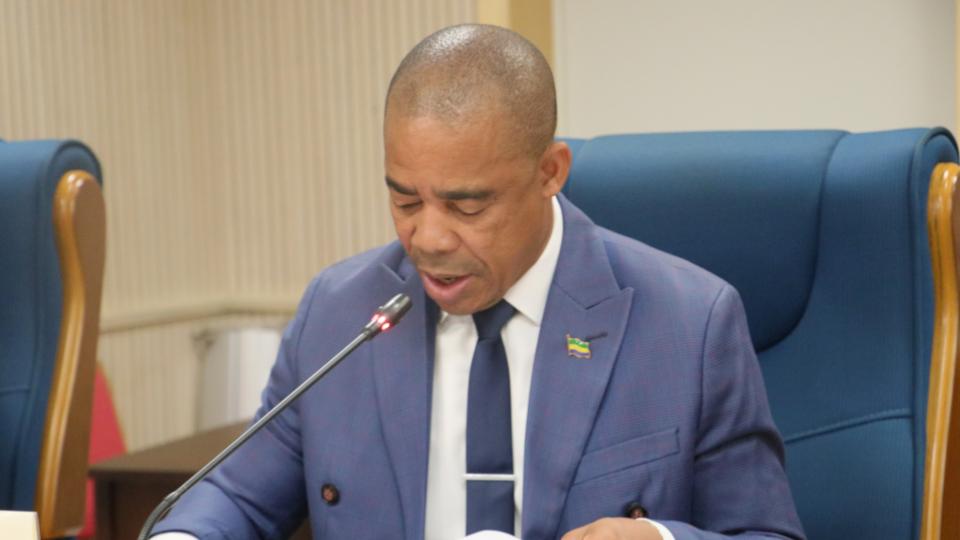
Gabon is taking bold steps to assert control over foreign social media platforms operating within its borders. A newly proposed law, currently under review by the Senate in Libreville, aims to establish strict regulations for digital platforms, addressing long-standing complaints about regulatory gaps. The centerpiece of this legislation is a requirement that major foreign platforms appoint a legal representative based in Gabon.
Previously, platforms like TikTok, Facebook, and X (formerly Twitter) functioned in Gabon without any local legal presence. This absence hindered official communication, making it difficult to address issues such as judicial requests, content moderation, or cybersecurity threats. By mandating a local representative, the government seeks to restore balance in a historically one-sided relationship, drawing inspiration from stricter regulatory frameworks already in place in regions like Brazil or the European Union.
This legislative move comes amid a complex national backdrop. Since early 2025, the government has periodically restricted or suspended access to social media under public order pretexts. However, these measures have proven only partially effective as internet users in Gabon increasingly rely on VPNs to bypass censorship, undermining the state’s efforts.
Balancing public security and fundamental freedoms
Proponents of the law argue that it is essential for establishing digital sovereignty, echoing similar initiatives in countries like Nigeria or Kenya. Within the Senate chambers, supporters emphasize the need to protect minors, combat hate speech, and curb the spread of misinformation.
Yet, the proposal has sparked concerns among civil society groups. Many fear the law could be weaponized to stifle free speech, a delicate issue in the context of Africa’s ongoing democratic transitions. Observers are closely watching how enforcement will unfold, particularly regarding penalties for non-compliance.
The economic stakes of digital regulation
The outcome of this regulatory push hinges on the response from major tech players such as Meta and ByteDance. For these companies, Gabon’s market—with its 2.5 million inhabitants—holds limited economic weight. If the regulations become excessively rigid, they risk deterring tech investors, including those interested in developing data centers in Central Africa. Conversely, a balanced framework could enhance Libreville’s international standing. Parliamentary debates suggest the government is determined to push forward with this legislation without delay.