Diplomacy
Morocco secures strategic role as AFCONE commissioner for nuclear safety in Africa
The appointment of an African Commission on Nuclear Energy (AFCONE) Commissioner represents a pivotal moment for continental security and development. This role, entrusted to the Union, revolves around enforcing the Pelindaba Treaty to ensure Africa remains free of nuclear weapons.

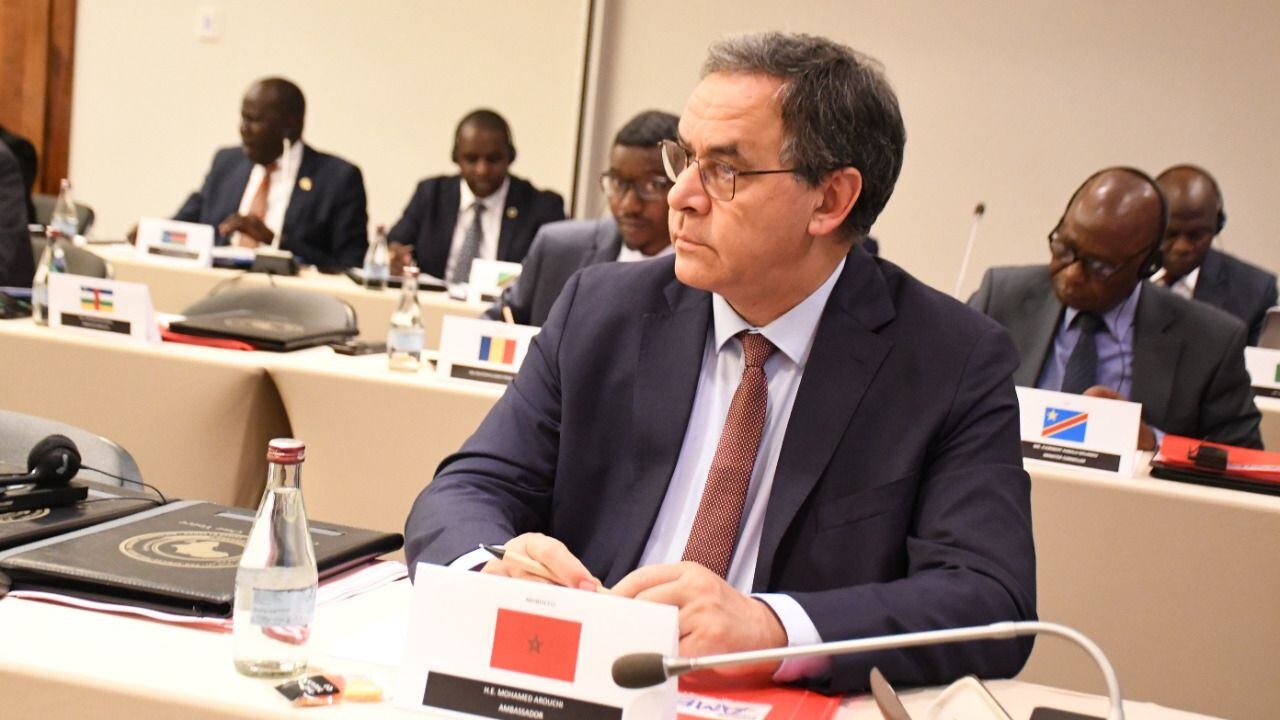
The Kingdom of Morocco has been unanimously elected as Commissioner of the African Commission on Nuclear Energy (AFCONE) for a three-year term, marking a significant diplomatic achievement on the continent.
This historic election unfolded during the 7th Conference of State Parties to the Treaty establishing Africa’s nuclear-weapon-free zone, held at the African Union headquarters in Addis Ababa. The Moroccan delegation, led by Ambassador Mohamed Arrouchi—Morocco’s Permanent Representative to the African Union and the Economic Commission for Africa—demonstrated the nation’s commitment to advancing peaceful nuclear applications.
The appointment underscores the trust placed in Morocco’s leadership in nuclear safety and non-proliferation, aligning with the kingdom’s strategic vision on peace, security, and sustainable development across Africa. This recognition highlights Morocco’s growing influence as a regional leader in leveraging nuclear technology for socio-economic progress, particularly in addressing water scarcity challenges and bolstering food security through innovations in health and agriculture.
The role of AFCONE Commissioner is inherently multifaceted, blending high-level diplomacy with technical and operational responsibilities to enforce the Pelindaba Treaty. This treaty is instrumental in safeguarding Africa from nuclear threats while fostering collaborative frameworks for the peaceful use of nuclear energy.
Morocco’s delegation included key representatives from the National Centre for Nuclear Energy, Sciences and Techniques (CNESTEN) and the Moroccan Agency for Nuclear and Radiological Safety and Security (AMSSNuR), reinforcing the kingdom’s expertise in nuclear governance and safety standards.
The conference, conducted in a hybrid format, brought together stakeholders from across the continent to deliberate on critical issues surrounding nuclear non-proliferation, regional cooperation, and the strategic deployment of nuclear technology for Africa’s development.