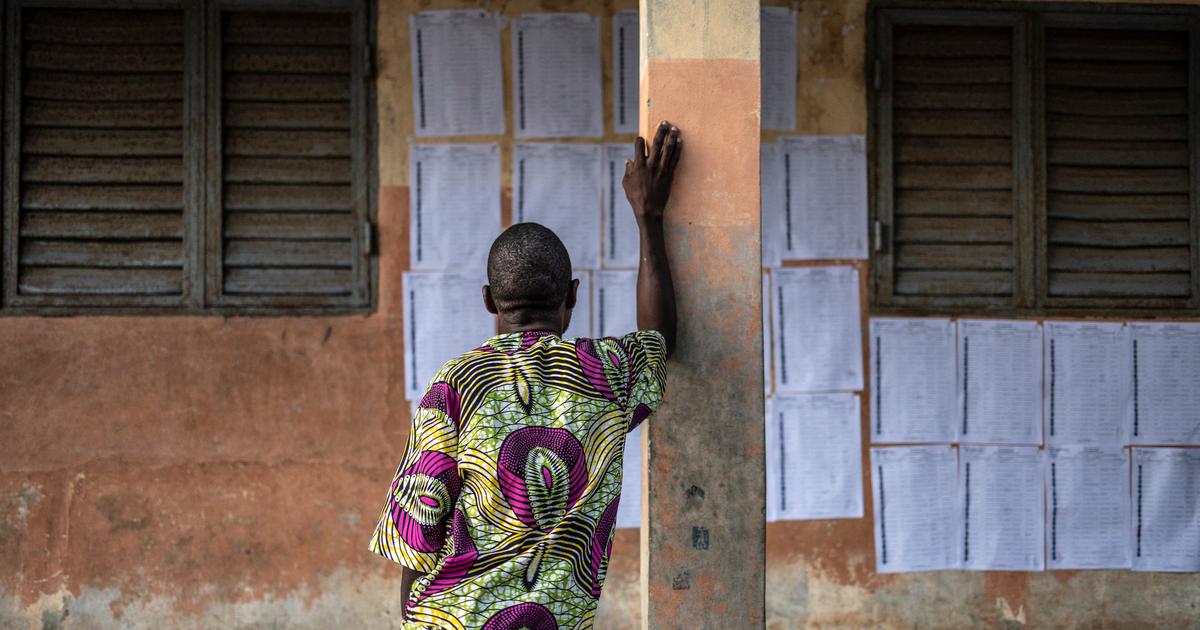
No surprises, no suspense, no competition. The 2025 African presidential elections increasingly resemble scripted victories before campaigns even begin. The trend reached new heights in April 2026 with contests in Djibouti and Benin—both producing landslide wins for incumbents or handpicked successors.
In Djibouti, President Ismaïl Omar Guelleh secured a sixth term with 97.8% of the vote on April 10, while in Benin, Romuald Wadagni—anointed successor to Patrice Talon—claimed 94% of ballots just two days later. Such overwhelming margins in elections where opposition voices barely register raise immediate questions about the integrity of these processes.
The price of exclusion: candidate fees as political barriers
Behind these apparent landslides lie structural obstacles that systematically sideline opposition candidates. Nomination fees, often described by observers as “exorbitant” and “calculated to exclude”, have emerged as the most effective tool for silencing competition before campaigns even commence.
In Djibouti, prominent opposition figure Alexis Mohamed abandoned his bid after citing both security concerns and the prohibitive cost of candidacy fees. These expenses—far beyond what most opposition groups can afford—effectively turned the electoral process into what critics call “a ceremonial exercise” where only the regime-backed choices can realistically participate.
The phenomenon is not isolated to the Horn of Africa. Across the continent, aspiring candidates from opposition parties routinely confront fee structures designed to drain campaign budgets before they even begin. From registration deposits to campaign financing requirements, the financial hurdles have become a de facto disqualification mechanism that disproportionately impacts parties lacking state resources or elite connections.
Who benefits from these barriers?
The pattern reveals a clear advantage for ruling parties and established political machines. High fees serve as both a revenue stream for electoral authorities and a filter to eliminate genuine competition. When only candidates with substantial personal wealth or ruling party backing can afford to run, elections lose their fundamental purpose: offering voters meaningful choices.
This financial manipulation of electoral systems undermines democratic principles and raises serious concerns about transparency. In an era where African nations increasingly face scrutiny over democratic backsliding, these practices risk normalizing elections where “the deepest pockets win” rather than the most capable leaders.