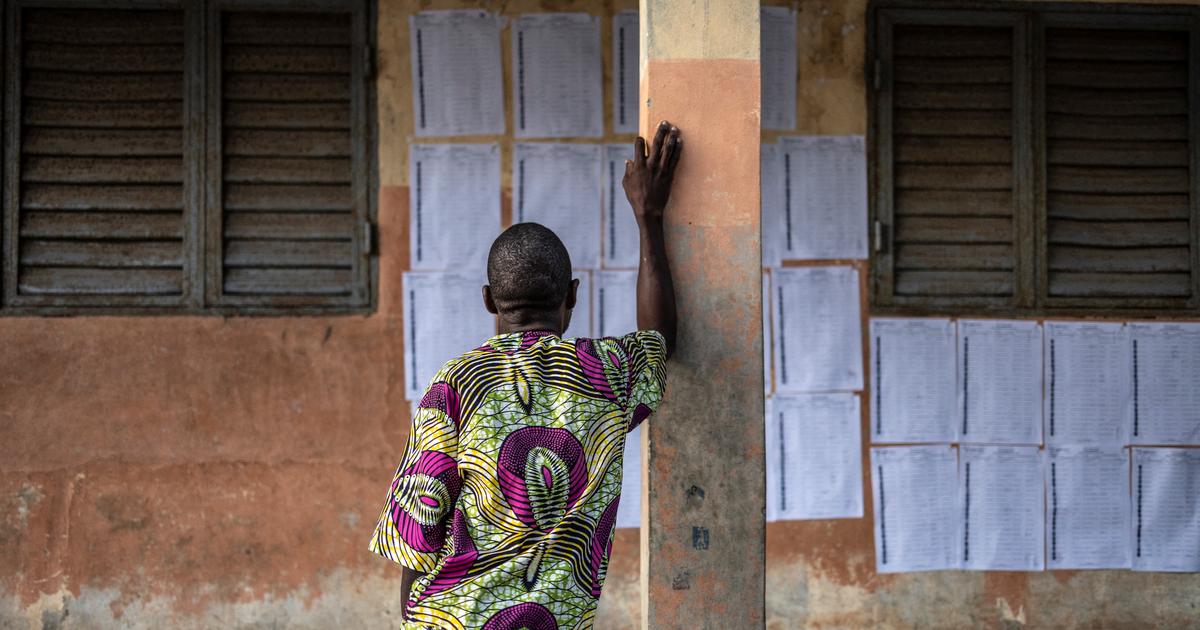
“Predictable contests,” “one-sided races,” and “incumbent victories in the first round” have become defining features of recent presidential elections across Africa. The 2025 electoral cycle was no exception, with opposition figures systematically sidelined before campaigning even began. In Djibouti, where polls were held on April 10, President Ismaïl Omar Guelleh secured a sixth term with 97.8% of the vote. Just two days later in Benin, Romuald Wadagni—handpicked successor to Patrice Talon—won 94% of ballots in a similarly uncompetitive race. Such overwhelming margins in contests devoid of genuine competition raise serious questions about democratic integrity.
In Djibouti, opposition leader Alexis Mohamed withdrew his candidacy under financial and security pressures. While he cited safety concerns as a factor, the prohibitive nomination fees proved the decisive barrier. These exorbitant costs effectively neutralized opposition participation, rendering the election a “formality” rather than a true democratic exercise, according to observers.
How nomination fees tilt the electoral playing field
Across the continent, candidates face increasingly unaffordable campaign costs that systematically exclude opposition voices. Djibouti and Benin are not isolated cases—political analysts warn that financial barriers to entry are becoming a continent-wide trend, designed to consolidate power by default. The phenomenon extends beyond presidential races, affecting legislative and municipal elections where independent or opposition candidates struggle to meet escalating fee requirements.
In Benin, critics argue that the systematic exclusion of challengers through financial mechanisms undermines electoral credibility. “When candidates cannot even afford to file their papers, democracy suffers,” stated a political science professor at the Université d’Abomey-Calavi. The pattern reveals a troubling evolution: elections are increasingly orchestrated victories rather than contests of ideas.
Economic exclusion as a political strategy
The financial hurdles don’t end with nomination fees. Campaign expenses—including rallies, media outreach, and voter mobilization—have surged beyond the reach of most opposition figures. In several West African nations, the cost of renting billboards alone can exceed a candidate’s annual salary, creating an insurmountable gap between ruling parties and challengers. “It’s not just about winning—it’s about making participation impossible,” noted a Beninese political analyst.
For aspiring leaders without party backing or personal wealth, these costs create a de facto exclusion zone. The result? A political landscape dominated by incumbents and their allies, where elections serve as ceremonial endorsements of existing power structures. Observers describe this as a “strategic financial lockout”—a modern form of electoral suppression disguised as bureaucratic procedure.
Regional implications and the future of competitive elections
Analysts warn that this trend threatens the very foundation of democratic governance in West Africa. When opposition candidates are priced out of the system, elections lose their competitive edge, eroding public trust in institutions. “A democracy without real choices is no democracy at all,” emphasized a governance expert based in Lomé. The phenomenon is particularly acute in countries where ruling parties control both the electoral machinery and the regulatory frameworks that determine candidacy costs.
With Djibouti and Benin setting precedents, neighboring nations are watching closely. Will other countries adopt similar financial barriers to control electoral outcomes? Or will civil society push back against what many now view as “institutionalized exclusion”? One thing is clear: the battle for competitive elections in Africa is increasingly fought in the realm of economics as much as politics.