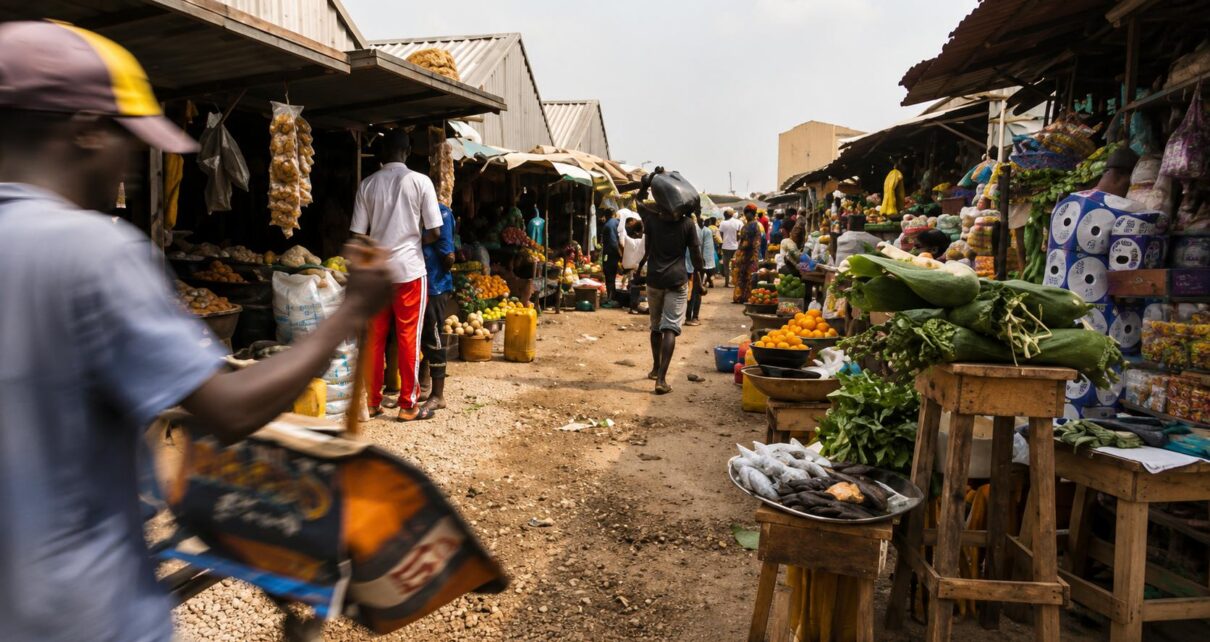
The latest economic reports from the Central Bank of West African States (BCEAO) may boast an average inflation rate of 0.0% across the region, but this figure is little more than a mirage for households in the Sahel. While coastal nations breathe a sigh of relief, Mali, Niger, and Burkina Faso—members of the Alliance of Sahel States (AES)—continue to grapple with soaring living costs that defy official optimism.
The narrative spun by governments in Bamako, Niamey, and Ouagadougou often points to external factors or foreign conspiracies to explain the crisis. Yet, the harsh reality for families across the Sahel is that the roots of this economic turmoil lie much closer to home.
The high cost of militarized governance
The relentless focus on military solutions has done little to restore stability in the region. Instead, it has left critical economic arteries—such as vital trade routes—paralyzed by armed group blockades. These aren’t mere tactical challenges; they expose the inability of transitional regimes to safeguard the lifeblood of commerce and supply chains.
As military spending devours the bulk of national budgets, essential investments in food storage facilities, agricultural support, and rural infrastructure have been sidelined. The result? A shrinking local food supply, compounded by land access restrictions that further choke production. The harsh truth is that while security remains elusive, the militarization of the economy has succeeded in strangling food availability and affordability.
A sovereignist illusion that hits wallets hard
The AES’s bold claims of economic independence and ideological rupture ring hollow when confronted with market realities. The push to abandon traditional trade networks in favor of