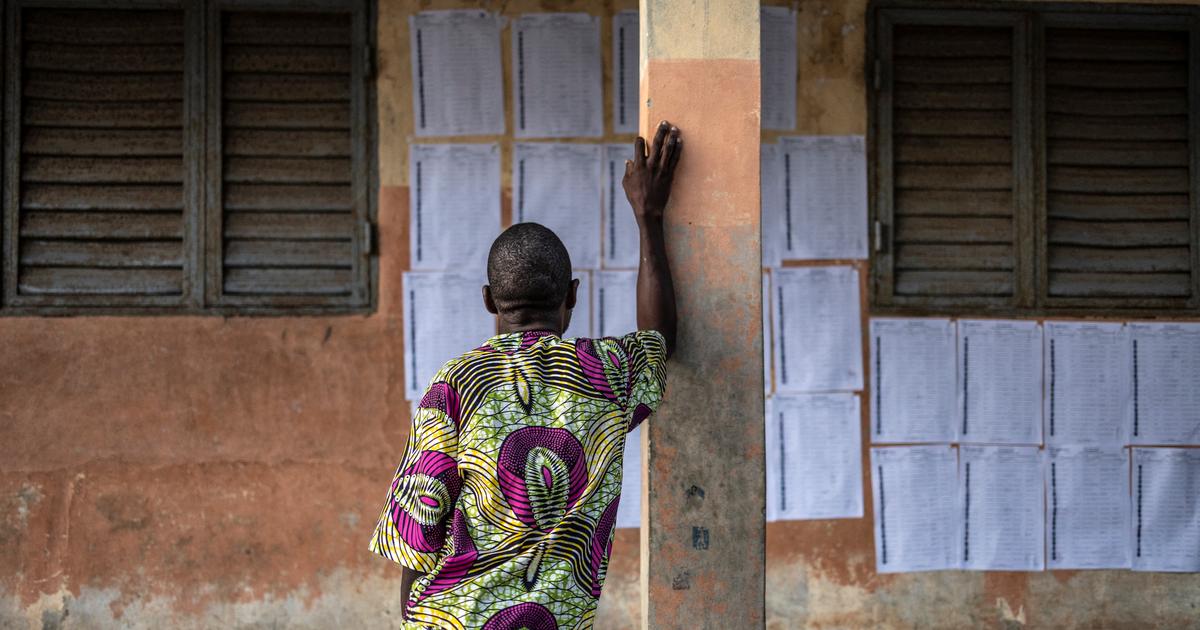
Elections that seemed predetermined from the start, races lacking suspense, and incumbents claiming victory in the first round. The 2025 presidential contests across Africa followed a familiar pattern: opposition was systematically sidelined before campaigning even began. The most recent examples were Djibouti’s April 10 vote and Benin’s April 12 election. In Djibouti, incumbent President Ismaïl Omar Guelleh secured a sixth term with 97.8% of the vote, while in Benin, Romuald Wadagni—handpicked successor to Patrice Talon—won 94% of the ballots. These lopsided results came in elections where genuine competition barely existed.
In Djibouti, opposition leader Alexis Mohamed abandoned his bid, citing insurmountable hurdles. While he mentioned concerns for his safety, the decisive barrier was financial. “Nomination fees were simply exorbitant,” he stated. Observers labeled the process a “purely ceremonial exercise,” stripping the vote of any real democratic substance.
Financial barriers crush democratic hopes
This phenomenon is far from isolated on the continent. Across West and East Africa, candidates face staggering campaign costs that effectively lock out all but the wealthiest contenders. In Benin, for instance, the price tag for submitting a candidacy was so high that most opposition figures found themselves priced out of the race. The same pattern emerged in Djibouti, where the financial burden proved too heavy even for seasoned opponents.
These exorbitant fees aren’t merely a bureaucratic inconvenience—they’re a deliberate mechanism that tilts the playing field. When only candidates backed by powerful interests can afford to run, elections cease to function as a genuine democratic tool. Instead, they become an elaborate ritual where results are known before ballots are cast.
Who benefits from unaffordable campaigns?
The pattern is clear: incumbents and their allies enjoy a financial advantage that opposition figures cannot overcome. In Benin, where the government tightly controls the electoral process, the high costs ensured a smooth path for the ruling party’s candidate. Similarly, in Djibouti, the system’s design favored the status quo, leaving little room for genuine challenge.
These tactics don’t just silence opposition voices—they erode public trust in the electoral system. When citizens see elections as predetermined, participation declines, and democracy weakens. The message is unmistakable: in some African nations, the cost of running isn’t just high—it’s prohibitive.