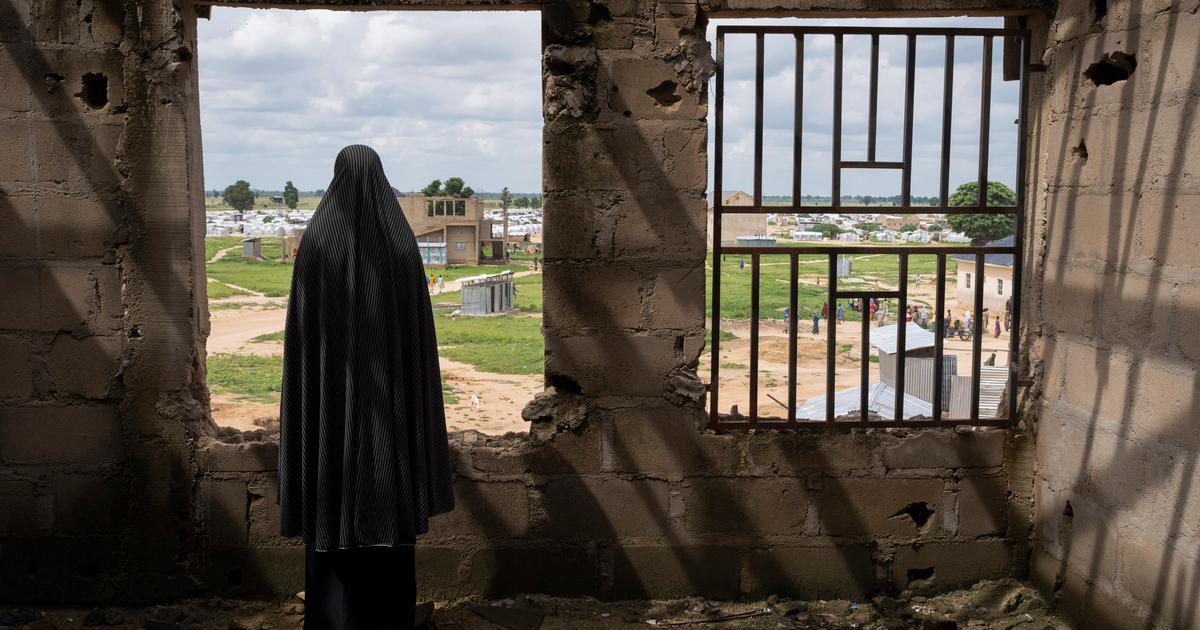

Three names, three untold stories. In a detailed investigation titled “Surviving Boko Haram,” a leading Nigerian news outlet, The Republic, sheds light on the lives of women whose ordeals rarely make headlines beyond the initial shock of mass abductions by the extremist group. These survivors, though frequently featured in international coverage, remain unheard voices in the broader narrative of Nigeria’s crisis.
For Aisha, the nightmare began on an ordinary Saturday evening in April 2014. As she prepared a “beloved family meal” in her home village of Gamboru Ngala, Borno State, gunmen from Boko Haram stormed in. With no time to flee, she witnessed her brother’s killing before being dragged away. Like many women in her village, she was taken captive. After being held in a crowded camp, she was forced into a tent where a tall, bearded man declared himself her captor. “Each night, he would come for me,” she recalls. “Rape was my reality.”
forced marriages and stolen futures
After two years of unimaginable suffering—including multiple forced marriages, repeated sexual assaults, and three pregnancies—Aisha managed to escape when Nigerian military forces launched a rescue operation. Her ordeal left deep scars, but she found a fragile sense of freedom.
Juliana’s escape came two years after her abduction, aided by an elderly woman who risked her life to help. Captured at just 15 years old in Adamawa State, Juliana had dreamed of completing her education and becoming a computer engineer. Her story reflects the stolen potential of an entire generation.
Before her abduction, Juliana dreamed of finishing high school and pursuing higher education to build a career in technology.
The longest captivity was endured by Hauwa, who spent a decade in Boko Haram’s grip. Forced into three marriages and bearing four children, her return home brought no relief. Instead, she faced relentless stigma, labeled “a Boko Haram wife.” Her children, too, were shunned, denied the simple freedom to play with other kids in their community. “My heart remains in that forest,” she shares. “I am haunted by the women still trapped there.”
the silent aftermath: stigma and the fight for justice
Beyond the immediate trauma, these women face another battle—reintegration into communities that often reject them. Survivors like Hauwa and Juliana are not only victims of violence but also of societal judgment, their suffering compounded by isolation. Efforts to reintegrate them highlight the urgent need for transitional justice in Nigeria’s conflict zones.
Investigations by The Republic reveal how transitional justice mechanisms could address the deep-rooted impunity surrounding gender-based violence in conflict. Such initiatives are critical to healing the wounds of war and restoring dignity to survivors whose lives were shattered by Boko Haram’s reign of terror.
Juliana’s words echo the collective grief of those left behind: “People praise me for being free, but part of me is still captive. I cannot forget the women we left behind.”