To celebrate World Health Day 2026, themed “Unite for Health. Support Science,” the World Health Organization (WHO) is highlighting the work of dedicated leaders who use evidence-based research to enhance lives throughout the African Region.
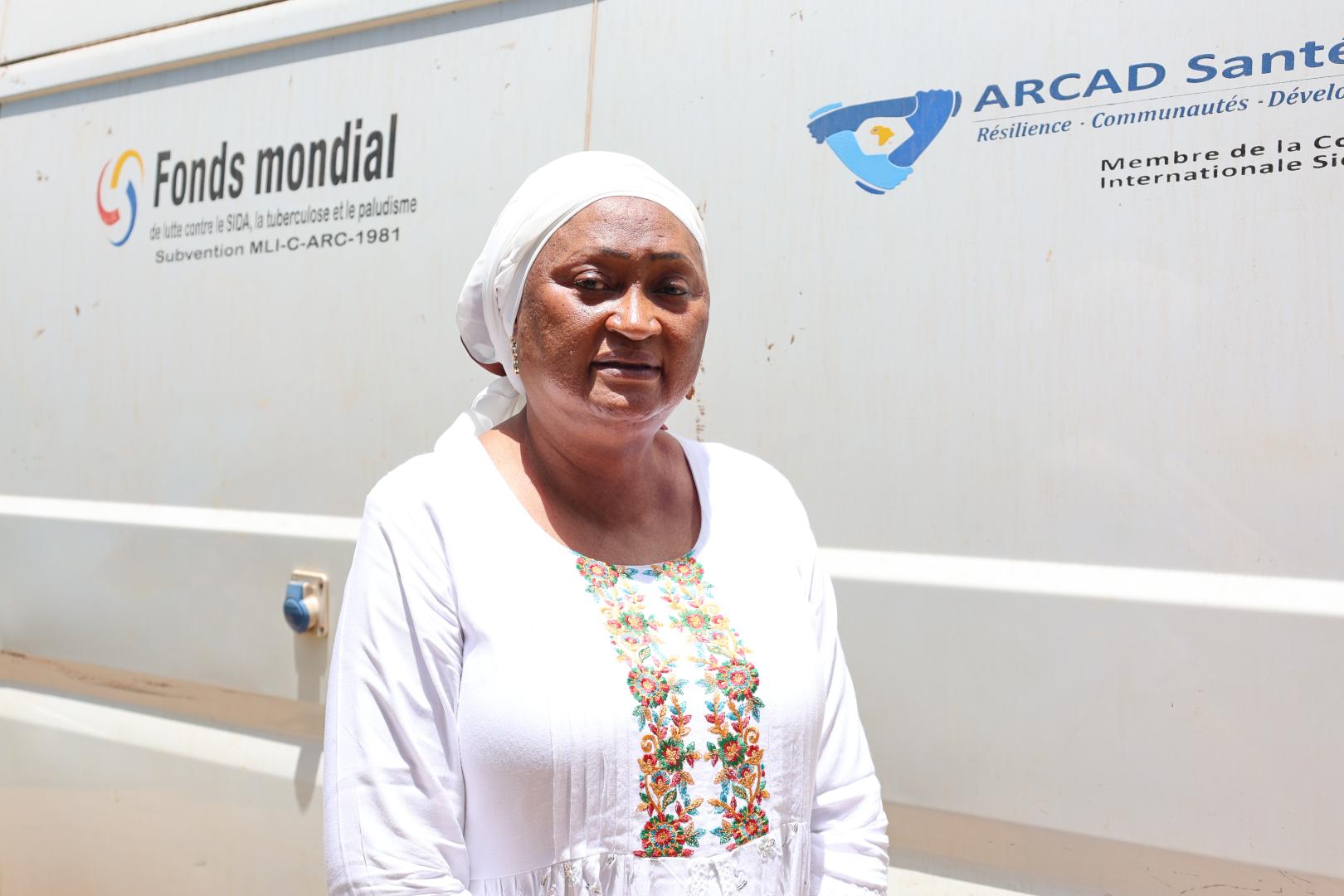
Dr. Bintou Dembélé, a seasoned physician and public health specialist, has spent years at the forefront of fighting infectious diseases and optimizing health infrastructure in Mali and across West Africa. Firmly believing that research must benefit the public, she advocates for the strategic use of scientific data to prevent medical emergencies and build lasting trust between experts and the communities they serve.
The critical role of science in safeguarding health
Why is it more important than ever to champion scientific research for public safety?
Science serves as our primary defense. It is the engine behind the creation of life-saving vaccines and treatments for both recurring and novel illnesses. Beyond treatment, it is vital for prevention; by studying how diseases emerge, we can mitigate risks before they turn into full-scale crises. Furthermore, scientific progress refines our diagnostic capabilities and healthcare delivery, significantly improving patient outcomes.
Strengthening regional health through collaboration
How do scientific partnerships benefit Mali and the wider West African region?
By working together, we can pool resources and share vital expertise. Many nations in West Africa face identical medical challenges, making cooperation a powerful strategy. These alliances help manage endemic diseases and improve maternal and infant care. Moreover, a healthier population is more economically resilient, meaning scientific progress directly supports social and financial development.
The “One Health” strategy: a path to prevention
How does the “One Health” concept help communities avoid future health threats?
The “One Health” philosophy recognizes that the well-being of humans, animals, and our shared environment are inseparable. Recognizing these links allows communities to anticipate potential hazards. This approach encourages local vigilance and ensures that researchers listen to the people. By valuing local perspectives, communities become active participants in protecting their own health.
Turning research into rapid action
How can we accelerate the transition from scientific data to practical solutions on the ground?
Scientific information should be treated as a public good. To be effective, findings must be analyzed and distributed swiftly through systems that convert research into policy. When data is integrated into government strategy, resources are used more efficiently, and the specific needs of the population are met with greater precision.
Building community confidence in science
What can be done to encourage the public to embrace and trust scientific advancements?
Understanding is the foundation of trust. To gain public support, scientific communication must be transparent, straightforward, and culturally relevant. By utilizing familiar communication channels and fostering open dialogue, science becomes a shared asset. This transparency empowers people to mobilize around health initiatives, turning science into a collective movement for good.
For further details or to arrange an interview, please reach out to:
- Kadijah Diallo, Communications Officer, WHO Regional Office for Africa ([email protected])
- Abdoulaye Cissé, WHO Assistant ([email protected])