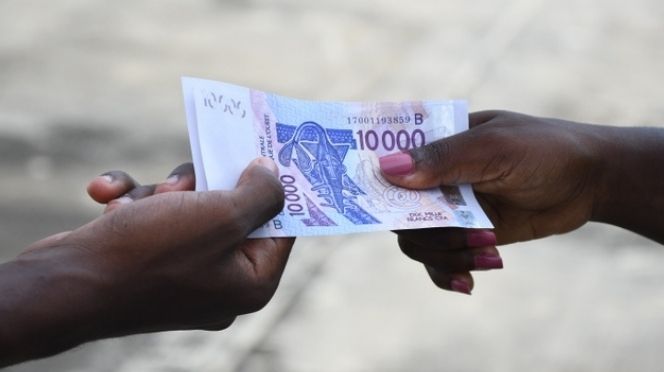
Mali faces ongoing challenges in the 2024 corruption perception index
The latest Corruption Perception Index (CPI) for 2024, released by Transparency International on February 12, 2025, places Mali at the 136th position out of 180 nations. With a score of just 28 out of 100, the country continues to grapple with systemic corruption that hampers governance and economic progress.
According to the report, Mali is experiencing a significant decline in the effectiveness of its oversight bodies. The lack of transparency in public procurement and the opaque management of state funds are major contributors to this negative perception.
Impact on public services and governance
The administrative sector is particularly vulnerable, where access to fundamental services such as healthcare, education, and the justice system is frequently marred by bribery and favoritism. This environment fosters a growing distrust among citizens toward the state and encourages a culture of impunity for the ruling class. These findings are echoed in the recent audits from the Office central de lutte contre l’enrichissement illicite (OCLEI) and the Bureau du Vérificateur Général.
Regional trends in West Africa
Mali is not the only nation in West Africa facing these hurdles. Many neighboring countries show poor results in the 2024 CPI, reflecting weakened governance and a lack of financial clarity. For instance, Nigeria, the region’s largest economy, scored 25/100, largely due to the embezzlement of public funds in the oil industry. Burkina Faso, currently in a transition period, holds a score of 30/100, remaining well below the critical threshold of 50.
Conversely, Ghana remains a regional leader in transparency with a score of 43/100, despite a slight decrease from previous years.
The broader situation in Sub-Saharan Africa
With an average score of 32/100, Sub-Saharan Africa continues to be one of the world’s most affected regions by corruption. More than two-thirds of the continent’s nations scored below 50, highlighting a widespread inability to combat the problem effectively.
Transparency International has specifically warned about the potential misuse of international climate aid. Without rigorous oversight, these funds may never reach the vulnerable populations they are intended to help. The most severe cases in the region include Somalia (11), South Sudan (13), and the Central African Republic (19), where long-term instability has led to institutional collapse.
Global leaders and the most affected nations
On the global stage, Nordic countries continue to set the standard for integrity. Denmark leads as the world’s least corrupt nation with a score of 90, followed by Finland (88) and Norway (87). Other major economies like Germany (79) and Canada (75) also maintain high levels of public trust.
At the bottom of the list are countries devastated by conflict and institutional breakdown, such as Syria (14), Venezuela (14), and Yemen (16), alongside Somalia and South Sudan.
The path forward for Mali
The findings emphasize the urgent need for Mali to strengthen its anti-corruption frameworks. Key recommendations include enhancing judicial independence, improving legal structures, and providing better protection for whistleblowers. Without these reforms, corruption will continue to undermine the nation’s stability and public confidence.