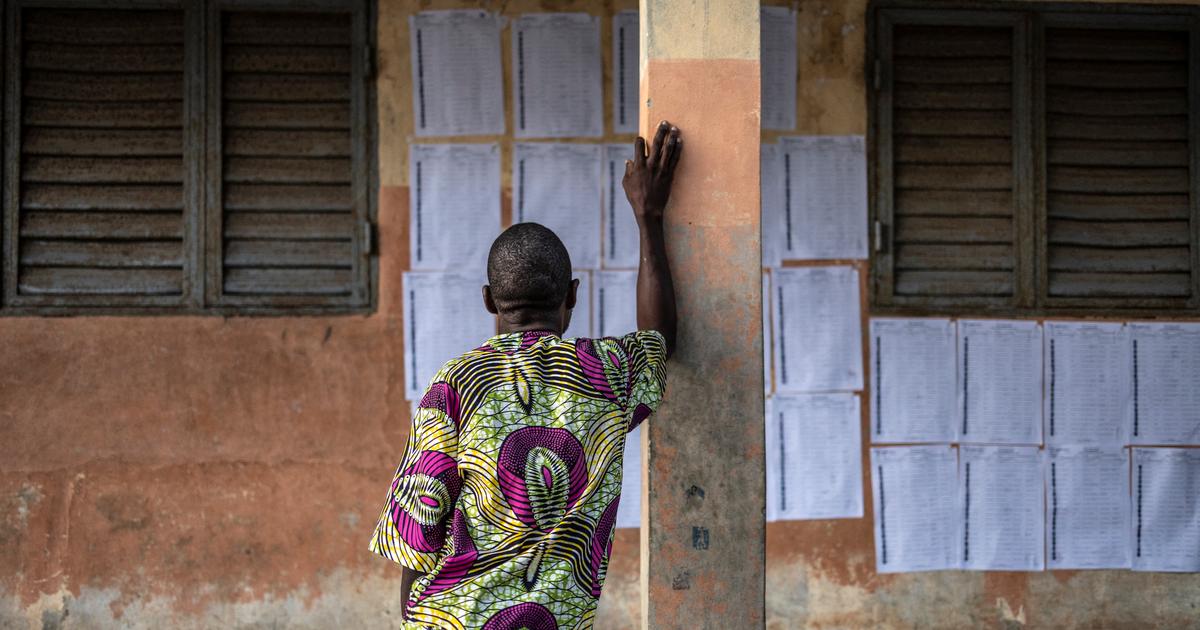
“Rigged polls”, “no suspense in sight”, “incumbent presidents coasting to victory in first round”. These phrases have become commonplace to describe presidential elections across Africa in 2025. A clear trend emerged: opposition candidates were systematically sidelined even before campaigning began. The most recent examples came in early April 2026, first in Djibouti on the 10th, then in Benin on the 12th. In Djibouti, incumbent President Ismaïl Omar Guelleh secured a sixth term with a staggering 97.8% of the vote. In Benin, Romuald Wadagni—long seen as Patrice Talon’s heir apparent—claimed victory with 94% of ballots cast. Both outcomes were landslides without meaningful opposition.
In Djibouti, opposition leader Alexis Mohamed abandoned his candidacy, citing insurmountable barriers. While concerns about personal safety played a role, the “prohibitive nomination fees” stood out as the decisive obstacle. Observers described the election as “a mere formality”, leaving little doubt about its legitimacy.
The cost of democracy: when money trumps votes
Presidential hopefuls across the continent are increasingly priced out of contention before the first campaign rally even takes place. Soaring election costs have become a hallmark of African politics, turning what should be a democratic contest into a financial obstacle course. Candidates face exorbitant registration fees, stringent financial disclosure rules, and costly campaign finance requirements—all of which favor incumbents and well-connected elites. The result? Elections that resemble coronations rather than genuine democratic exercises.
The phenomenon extends far beyond Djibouti and Benin. From Niger to Mali, aspiring leaders are routinely blocked by financial hurdles that have little to do with policy or public support. Opposition figures are effectively priced out of the race, while ruling parties waltz to predictable victories. The pattern raises serious questions about the fairness of electoral processes in a region struggling to balance democratic ideals with entrenched power structures.