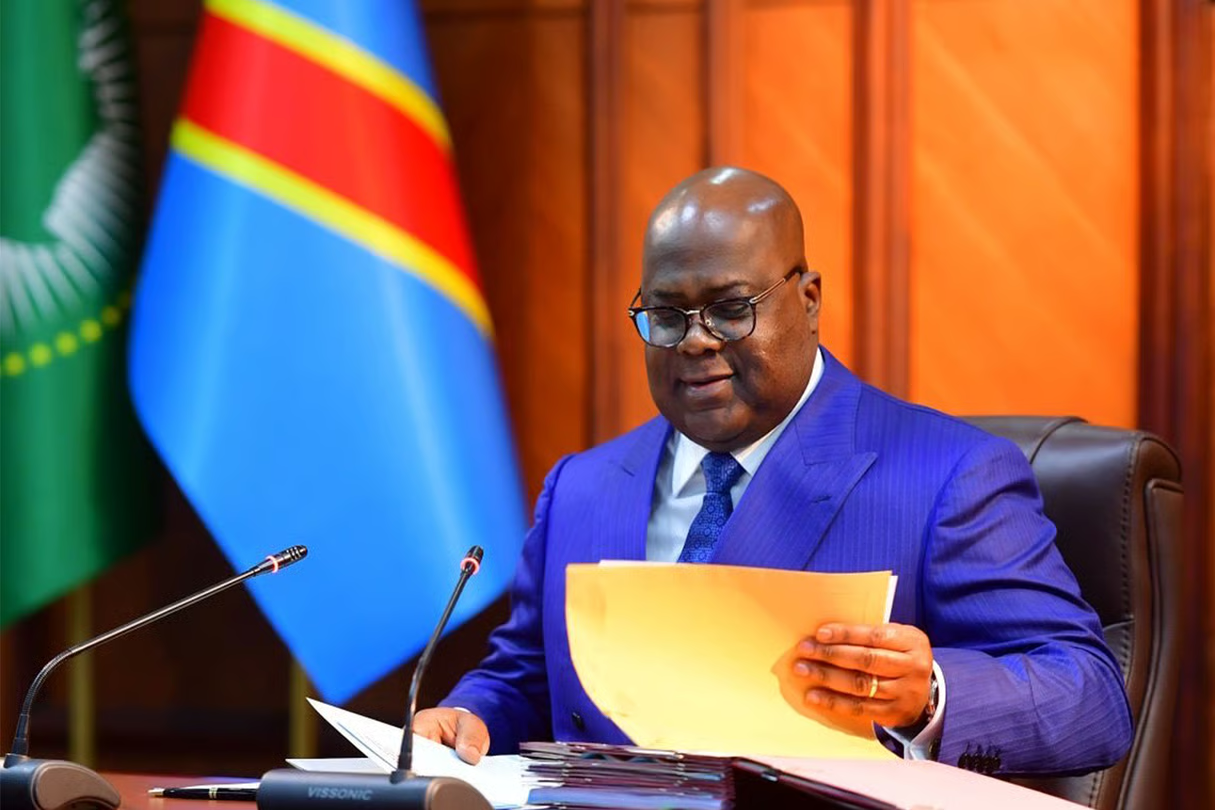
The air of Kinshasa carries a new rhythm these days, one that resonates with cautious optimism. Political tensions in the Democratic Republic of Congo appear to be easing, paving the way for a long-anticipated national dialogue. Observers note a shift in tone from key stakeholders, signaling a potential thaw in relations that have long strained the nation’s fragile stability.
Signs of easing political tension
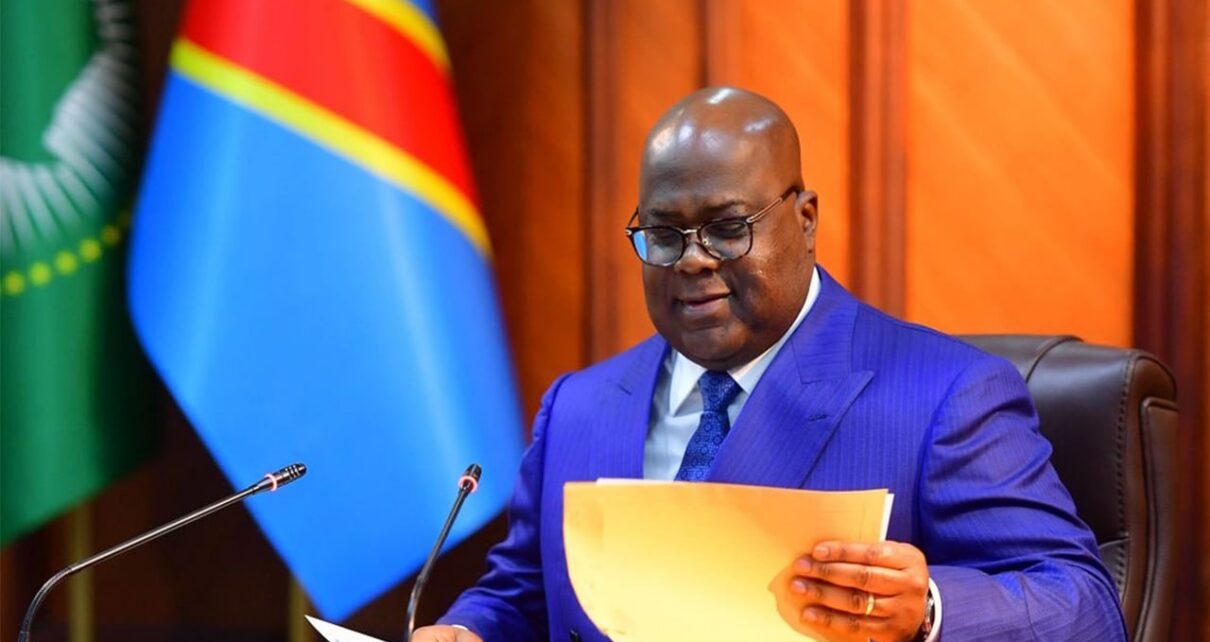
The past weeks have witnessed subtle yet significant gestures from Félix Tshisekedi’s administration. Diplomatic outreach to opposition figures and civil society leaders suggests a willingness to engage in constructive dialogue. While skepticism lingers, the move is seen as a deliberate effort to foster inclusivity ahead of broader discussions.
Public statements from Tshisekedi have underscored the importance of unity, with references to national cohesion and shared responsibility. Political analysts interpret these remarks as early indicators of a thaw, though the road ahead remains fraught with challenges.
What to expect from the national dialogue
The upcoming national dialogue is expected to address pressing issues, including electoral reforms, security concerns, and economic recovery. Stakeholders from across the political spectrum are being invited to participate, raising hopes for a comprehensive approach to governance.
Key topics likely to dominate the agenda include:
- Reforms to the electoral framework to ensure transparency and fairness
- Strategies to address ongoing security threats in the east of the country
- Measures to stimulate economic growth and reduce unemployment
- Strengthening dialogue between the government and opposition groups
Challenges and skepticism
Despite the positive signals, doubts persist about the depth of this political thaw. Skeptics point to past failed attempts at dialogue, where promises of reform were left unfulfilled. The credibility of the process will hinge on tangible actions rather than rhetoric alone.
The international community is closely monitoring the developments, with calls for genuine commitment to reform. Regional partners have expressed support for the dialogue, emphasizing the need for a stable and prosperous Democratic Republic of Congo.
Next steps: Will the thaw hold?
The coming days will be critical in determining whether this political easing translates into lasting change. The success of the national dialogue will depend on the willingness of all parties to engage in good faith. For now, the atmosphere in Kinshasa is one of cautious hope, as the nation awaits concrete outcomes from the discussions.
The journey toward national reconciliation is never easy, but the current momentum offers a rare opportunity to address the country’s deep-rooted challenges. Whether this moment will lead to meaningful progress remains to be seen, but the signs are undeniably encouraging.