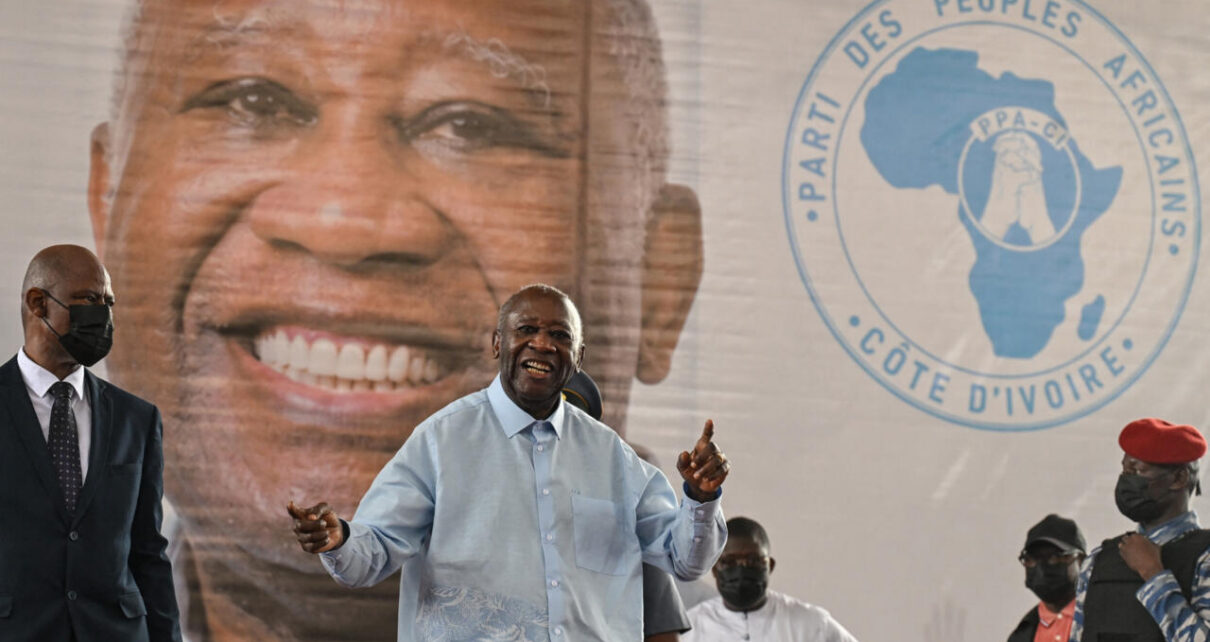
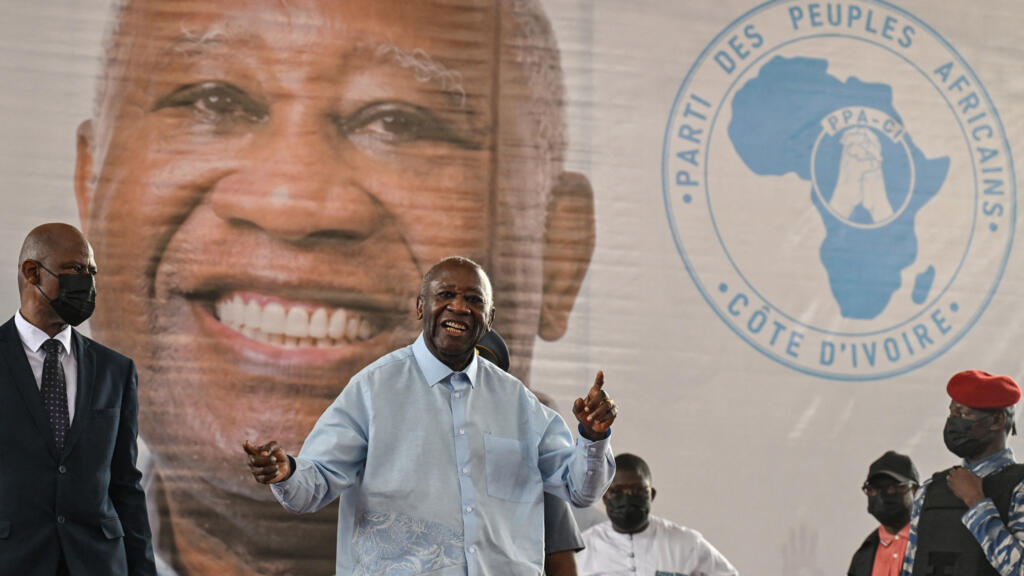
In Côte d’Ivoire, President Laurent Gbagbo has entrusted key responsibilities within his party, the Ivorian Popular Front (PPA-CI), to five prominent figures. This strategic move marks a significant shift in governance, as these leaders now assume duties previously held by the former president himself. Analysts view this reorganization as a deliberate preparation for a political transition in the post-Gbagbo era.
Why this shift in leadership matters
The delegation of powers to a new cohort of leaders signals a pivotal moment for the PPA-CI. These five individuals, now at the helm of critical party functions, are expected to shape the organization’s future trajectory. The move has sparked discussions about the party’s long-term strategy and its readiness for a post-Gbagbo political landscape.
Key figures take center stage
The reshuffle involves five high-ranking party officials who will now oversee areas previously managed by the former president. This restructuring underscores a clear intent to decentralize authority and foster new leadership within the party. As these figures step into their roles, questions arise about their capacity to unite the party and maintain its influence in Ivorian politics.
Analyzing the implications
Sociologist Séverin Yao Kouamé, a researcher at the University of Bouaké, offers insights into the significance of this reorganization. Speaking from a scholarly perspective, he highlights the potential challenges and opportunities this shift presents for the PPA-CI. His analysis sheds light on how the party might navigate the complexities of transitioning leadership while preserving its core values and objectives.
The changes within the PPA-CI reflect broader trends in Ivorian politics, where parties continuously adapt to evolving circumstances. As the country moves forward, the effectiveness of this leadership transition will be closely scrutinized by both supporters and critics alike.