Mali crisis: thousands flee as fighting escalates in north and center
Since late April, renewed clashes and airstrikes have sent tens of thousands of Malians fleeing their homes. The cities of Gao and Ménaka are now sheltering a growing number of displaced families.
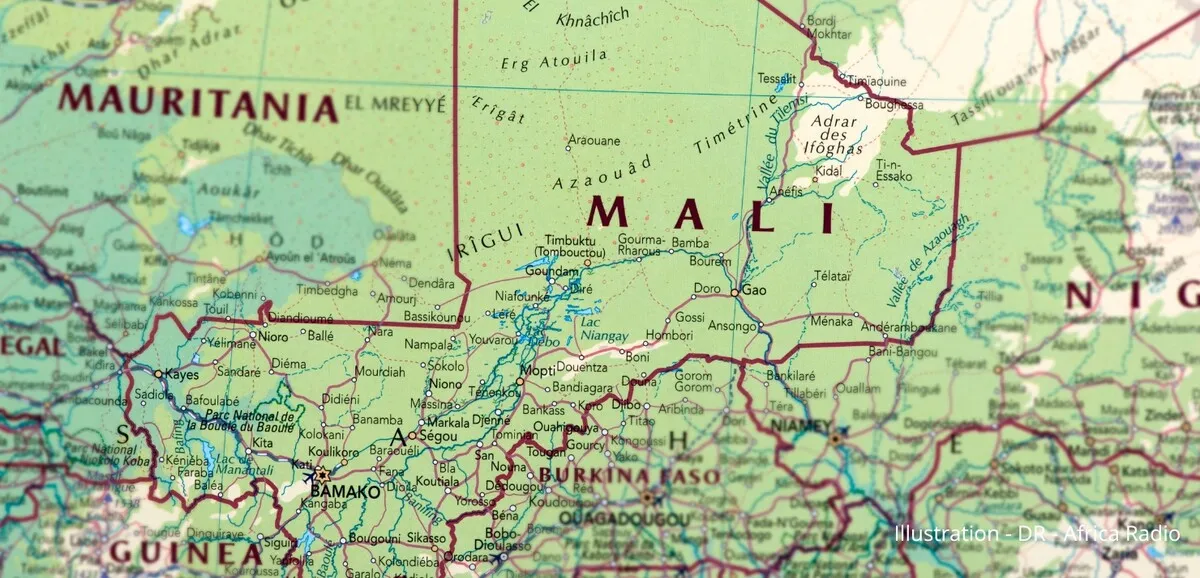
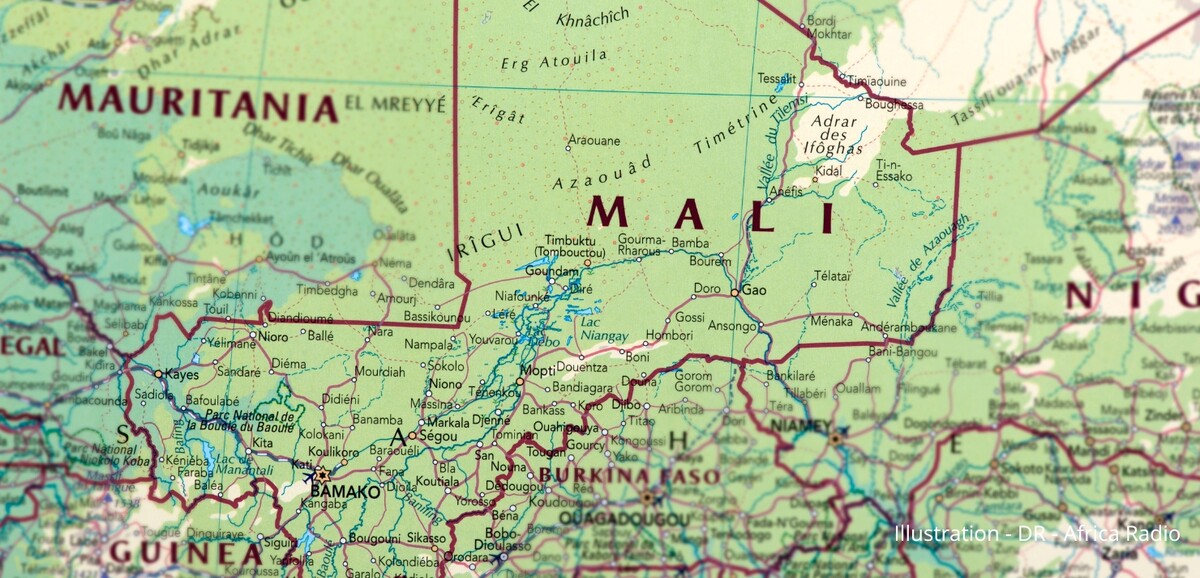
Mali’s security crisis has taken a dramatic turn, with nearly 40,000 people displaced since late April as violence surges. Humanitarian sources confirm a sharp increase in families abandoning their homes, many seeking refuge in Gao and Ménaka. In Gao alone, local officials report over 7,000 new arrivals in just three months, with Ménaka absorbing thousands more.
Kidal at the heart of renewed clashes
A coalition of jihadist forces and separatist groups has launched a major offensive, seizing control of the strategic city of Kidal. Fighting has since intensified around Anéfis and other key northern regions, forcing civilians to abandon villages repeatedly. For many, survival now means navigating constant displacement and dwindling access to food, water, and medical care.
Airstrikes deepen the humanitarian toll
Over the past two weeks, Malian military airstrikes have intensified near Tinzawatene and other areas around Kidal. While reports suggest these strikes have damaged health facilities and triggered fresh displacements, verifying details remains challenging due to restricted access. What is clear, however, is the growing exodus from conflict zones to urban areas already struggling to cope.
Gao and Ménaka overwhelmed
The arrival of thousands of displaced people has stretched local authorities and aid groups to their limits. Most families come from Kidal, where conditions have deteriorated sharply since April. They require shelter, food, clean water, healthcare, and child protection—services already in short supply. With Mali’s official count of internally displaced persons exceeding 400,000—and likely undercounted—this new wave risks pushing an already fragile humanitarian situation into further collapse.
A decade of instability
Mali has grappled with deepening insecurity since 2012, as jihadist factions linked to Al-Qaïda and ISIS, along with armed communal and separatist groups, expanded their influence. Despite military coups in 2020 and 2021, transitional leaders prioritized territorial control and security restoration. Yet the recent surge in fighting underscores the persistent challenges in stabilizing the region. For northern communities already displaced multiple times, the latest violence raises a pressing question: how long can they remain in their homes before fleeing becomes the only option?