
Gabon’s national parks poised to become global conservation leaders
Libreville, July 1, 2026 – As climate challenges reshape global economic and environmental priorities, Gabon is taking a decisive step forward by initiating Forest Stewardship Council (FSC) certification for all thirteen of its national parks. This bold move underscores the country’s commitment to positioning its protected areas as a benchmark in sustainable governance, balancing biodiversity preservation, economic growth, and climate action.
The initiative, spearheaded by the National Agency for National Parks (ANPN), aligns Gabon with a growing global movement that views natural ecosystems not just as ecological treasures but as strategic assets in the fight against climate change and the transition to greener economies.
Certification as a cornerstone of environmental credibility
In recent consultations, ANPN representatives convened with the Forest Stewardship Council Africa team and project consultants to outline the certification process. The discussions focused on aligning with international standards, clarifying stakeholder roles, and establishing operational frameworks for on-the-ground implementation.
While FSC certification is traditionally associated with sustainable forest management, its extension to protected areas sends a powerful message. It demands adherence to rigorous criteria in governance, natural resource management, transparency, community engagement, and ecosystem preservation. For Gabon, this certification is a gateway to global credibility, particularly as investors and financial institutions increasingly prioritize environmental, social, and governance (ESG) criteria in decision-making.
From conservation to economic transformation
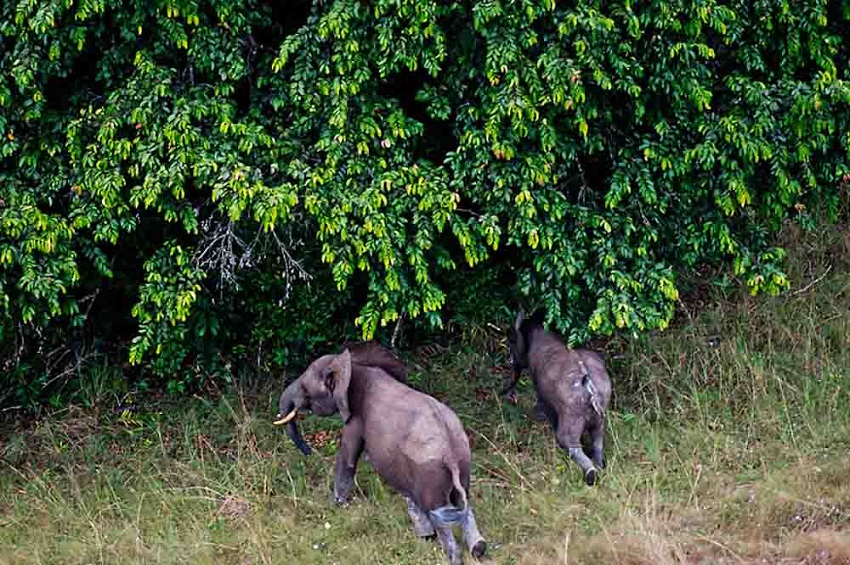
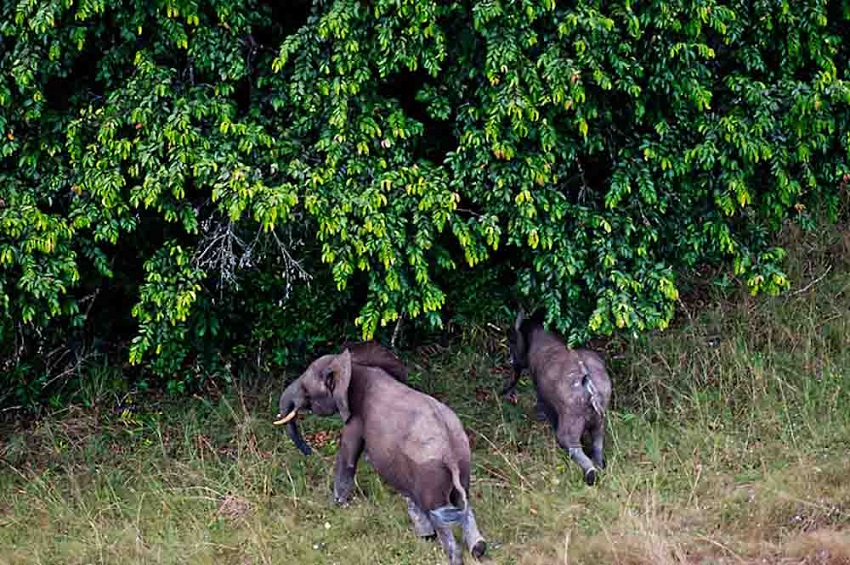
Gabon’s network of national parks covers nearly 11% of its landmass and shelters some of Africa’s richest biodiversity, from forest elephants to gorillas and countless endemic plant and animal species. The certification process is designed not only to safeguard these natural wonders but to unlock their economic potential in a sustainable manner.
Key discussions with FSC Africa explored monitoring mechanisms, evaluation tools for protected areas, and the role of ecosystem services—such as carbon sequestration, climate regulation, and water resource protection—in driving conservation financing. By framing its parks as providers of tangible economic benefits, Gabon is positioning itself to access new international funding mechanisms tailored for conservation efforts.
A regional model for Africa
Beyond national ambitions, Gabon’s initiative carries significant continental implications. By pursuing certification for all thirteen parks, the country is positioning itself as a pioneer among African nations seeking to modernize environmental governance in line with commitments under the Paris Agreement and global biodiversity goals.
The ANPN’s strategic partnership with FSC reflects a broader shift in Gabon’s approach to conservation, emphasizing efficiency, transparency, and international appeal. In an era where natural resources are increasingly a geopolitical battleground, Gabon is turning its biodiversity into a strategic asset, one that fuels not just conservation but diplomacy, financing, and sustainable development.