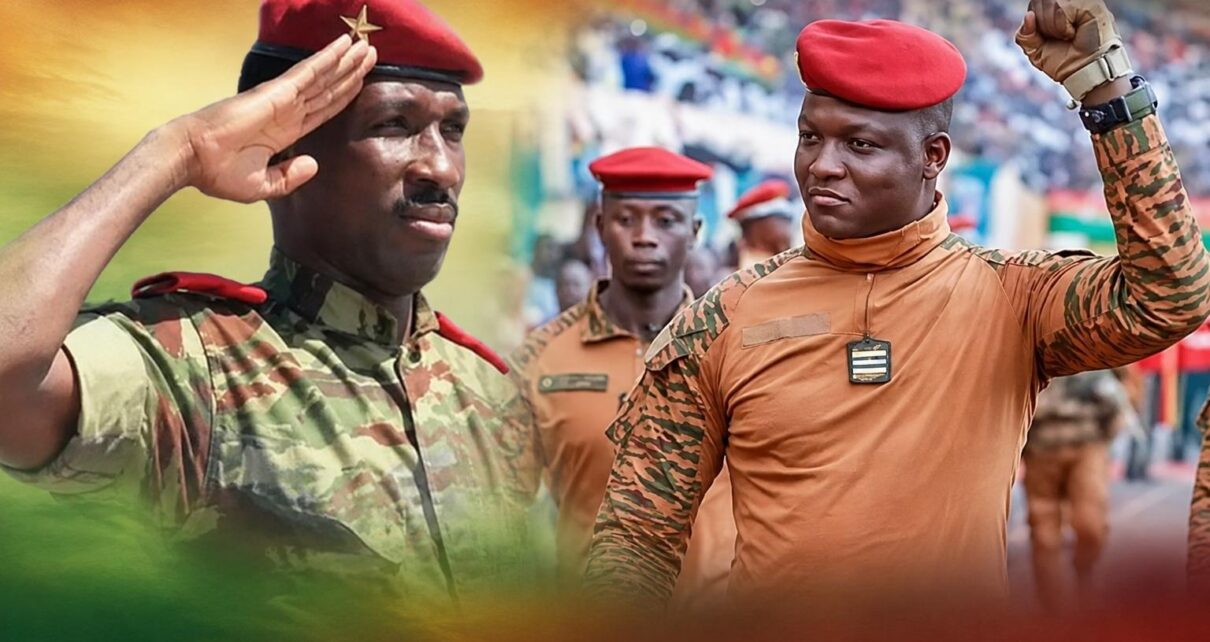
A symbolic shift in Burkina Faso’s public administration
Burkina Faso has entered a new phase in its ongoing ideological transformation under the current transitional leadership, led by Captain Ibrahim Traoré. Since June 1st, all public administrations are now required to address citizens and service users with the term « Camarade » (Comrade) instead of traditional titles such as « Monsieur » or « Madame ».
This directive represents more than a linguistic adjustment; it embodies a deliberate break from colonial-era administrative conventions. The government frames this move as a foundational step toward reshaping the relationship between the state and its people, particularly in light of the nation’s pressing security challenges.
Beyond words: the strategic intent behind the directive
The transition authorities have outlined three core objectives for this semantic shift:
- Eradicating hierarchical barriers: The aim is to dissolve the formal distance between state officials and citizens, fostering a sense of shared responsibility and proximity.
- Unifying the nation: By promoting an egalitarian identity, the government seeks to strengthen national cohesion amid widespread insecurity.
- Asserting sovereignty: The move is also framed as a rejection of Western-influenced politeness norms, viewed by the regime as remnants of colonial or elitist culture.
A deliberate invocation of revolutionary heritage
The adoption of « Camarade » is widely interpreted as a revival of the rhetoric and values associated with the Democratic and Popular Revolution (RDP) led by Captain Thomas Sankara from 1983 to 1987. During his tenure, « Camarade » served as a cornerstone of revolutionary discourse, symbolizing equality and collective struggle.
By reinstating this term, the current administration appears to be tapping into the enduring popularity of Sankara among Burkina Faso’s youth, positioning itself as the legitimate heir to his legacy. This linguistic revival aligns with broader efforts over recent months, including revisions to the transitional charter, a push for endogenous development initiatives, and a reorientation of regional and international alliances.
Mixed reactions across the country
The implementation of this directive has elicited diverse responses across Burkina Faso’s administrative landscape:
Support among regime backers
Proponents of the transitional government praise the measure as a patriotic and long-overdue reform. They argue that it places the citizen at the heart of governance, dismantles elitism, and fosters a collective spirit essential for navigating the current crisis.
Skepticism and opposition voices
Critics, including some opposition figures, contend that the focus on symbolic gestures distracts from pressing priorities such as territorial security, the return of internally displaced persons, and the fight against terrorism. They question whether ideological symbolism alone can address the country’s most urgent challenges.
Operational challenges for public servants
For civil servants, the directive presents immediate operational and cultural hurdles. Official correspondence, forms, and even phone and in-person greeting protocols must be swiftly adapted to comply with the new norm. The transition from entrenched administrative traditions to this revolutionary lexicon requires a rapid and comprehensive cultural shift within public institutions.
As Burkina Faso grapples with profound security and humanitarian crises, the government is wagering that symbolic language can serve as a unifying force. Whether the adoption of « Camarade » will succeed in solidifying the national unity envisioned by Ouagadougou remains an open question, hinging on more than just words alone.