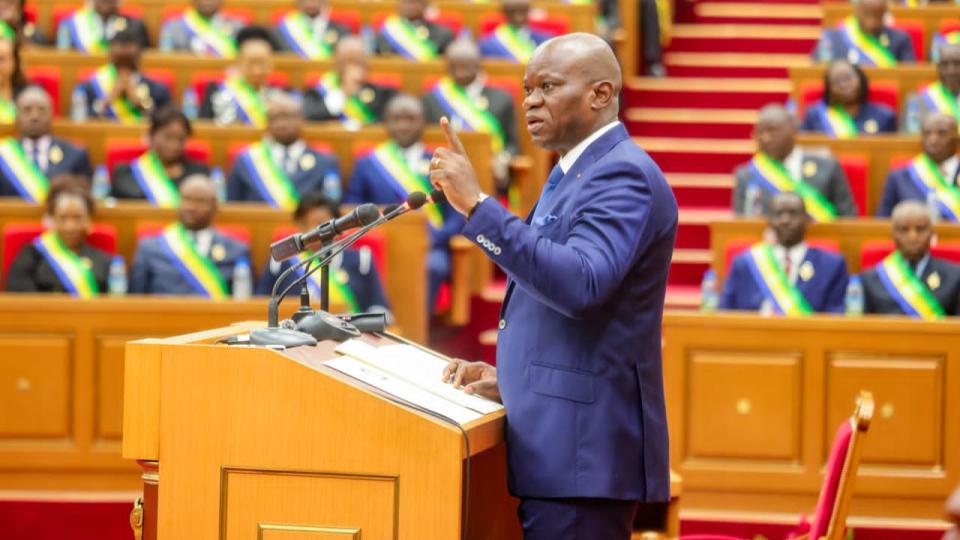
The Gabonese government is doubling down on its commitment to deepen economic ties with African partners. In a decisive move, President Brice Clotaire Oligui Nguema has ordered an immediate shift in import strategies, prioritizing goods from the continent—especially food products—to accelerate Gabon’s integration into Africa’s bustling economic landscape.
During the June 25 cabinet meeting, the head of state made it clear that fostering intra-African trade is no longer optional but a strategic imperative. The directive underscores Gabon’s pivot toward regional solidarity, aiming to reduce reliance on external markets while strengthening economic resilience at home.
Directives with measurable outcomes
The presidential instructions leave no room for ambiguity. The Council of Ministers’ final communiqué emphasizes that “boosting imports from African nations—particularly in food supply chains—is a non-negotiable step toward shared continental prosperity”, as articulated by Oligui Nguema. The message is unequivocal: this policy must translate into tangible, trackable actions without delay.
Government agencies have been tasked with overhauling trade policies and procurement systems to ensure a higher volume of exchanges with African partners. The president’s vision extends beyond rhetoric, demanding concrete steps to fortify regional economic integration.
Aligning with Africa’s free trade ambitions
Gabon’s latest economic maneuver aligns seamlessly with its commitments to the AfCFTA—the African Continental Free Trade Area. The initiative, designed to slash tariffs and harmonize trade rules, offers a blueprint for Gabon’s ambitions to become a more self-sufficient and interconnected economy.
In recent weeks, authorities have intensified efforts to fast-track Gabon’s participation in the AfCFTA, including renewed negotiations with the initiative’s secretariat and a push to bolster local processing of natural resources. The underlying principle? Economic sovereignty cannot thrive in isolation—it requires robust intra-African partnerships.
What’s next for Gabon’s trade agenda?
The president’s focus on food imports signals a broader strategy: reducing import dependence while nurturing homegrown industries. By prioritizing African suppliers, Gabon aims to stimulate regional value chains, secure food security, and create jobs domestically. The shift could lead to stronger trade agreements, streamlined customs processes, and greater participation of Gabonese businesses in continental supply networks.
With this bold directive, President Oligui Nguema is making a clear statement: Gabon’s economic future is inextricably linked to Africa. The challenge now lies in execution—turning policy into progress and promises into prosperity.