Gabon’s pivotal role in Africa’s evolving economic landscape
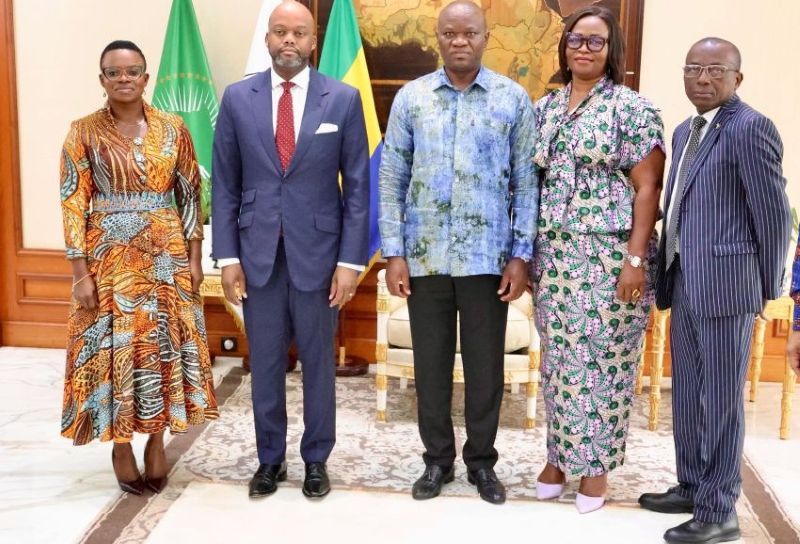
Libreville, June 20, 2026 – Africa is undergoing a transformative economic shift. After decades of trade barriers inherited from colonial divisions, the continent is now forging the world’s largest integrated market by country count. This historic transition is redefining the continent’s economic future.
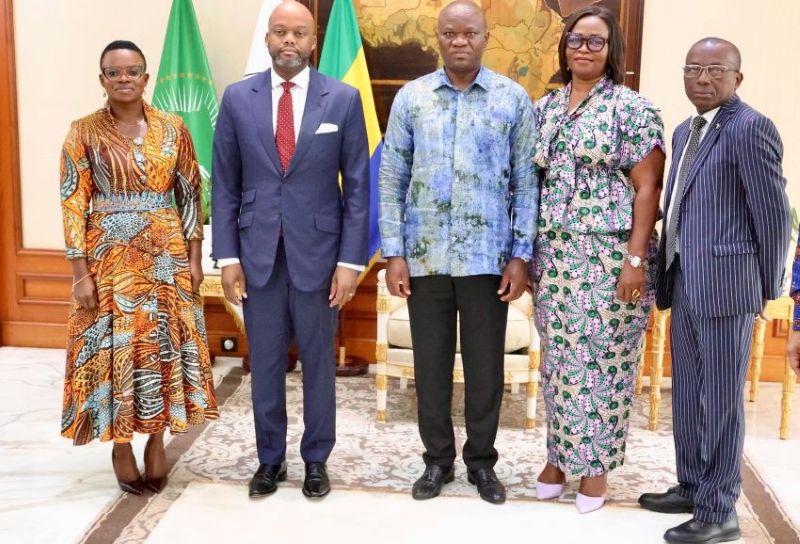
The meeting held in Libreville on Friday between President Brice Clotaire Oligui Nguema and Wamkele Mene, Secretary-General of the African Continental Free Trade Area (AfCFTA), transcended routine diplomacy. It underscored Gabon’s ambition to emerge as a key player in this new African economic architecture.
As global supply chains realign and regional blocs deepen their integration, the focus has shifted from whether Africa should trade more with itself to how each nation plans to thrive in this pivotal transformation.
A continental market of 1.4 billion consumers
The AfCFTA represents one of the 21st century’s most ambitious economic projects. Encompassing over 1.4 billion people and a combined GDP exceeding $3 trillion, its mission is to dismantle trade barriers and unlock intra-African commerce.
Yet Africa’s trade dynamics remain starkly different from other regions. While intra-European trade accounts for over 60% of the continent’s exchanges, and Asia’s exceeds 50%, Africa’s intra-regional trade hovers below 15%. The AfCFTA aims to close this gap by fostering deeper economic ties across the continent.
The discussions in Libreville centered on practical steps Gabon can take to harness this continental opportunity. Key priorities included modernizing customs systems, enhancing border infrastructure, refining regulatory frameworks, and strengthening institutional capacities.
Nkok: Gabon’s industrial powerhouse
Wamkele Mene emphasized a strategic asset often overlooked in Africa’s broader economic narrative: the Nkok Special Economic Zone. Within years, this industrial hub has evolved into Central Africa’s leading manufacturing and processing center, hosting enterprises in timber transformation, metallurgy, and light manufacturing.
Nkok symbolizes Gabon’s shift from raw material exports to value-added production—a model perfectly aligned with the AfCFTA’s ethos. The success of continental free trade hinges not on exporting unprocessed resources but on cultivating competitive, diversified industries capable of meeting regional demand.
Gabon’s strategic location in the Gulf of Guinea further bolsters its potential. With modern port infrastructure and ongoing large-scale logistics projects, the country is poised to serve as a regional trade gateway.
A doctrine of economic transformation
During the meeting, President Oligui Nguema reiterated Gabon’s National Growth and Development Plan, anchored in three pillars: local resource transformation, economic diversification, and accelerated digital transition. This strategy marks a departure from traditional models reliant solely on raw material extraction, positioning Gabon for global competitiveness.
The AfCFTA’s success depends not only on reducing tariffs but on nurturing economies capable of producing, innovating, and exporting at scale. For Gabon, the stakes are clear. The country is no longer merely seeking participation in continental trade—it aims to become one of its primary beneficiaries. The AfCFTA has unlocked a vast new market, but only nations that proactively adapt to industrial, logistical, and digital shifts will reap its rewards. Libreville appears determined to be among them.