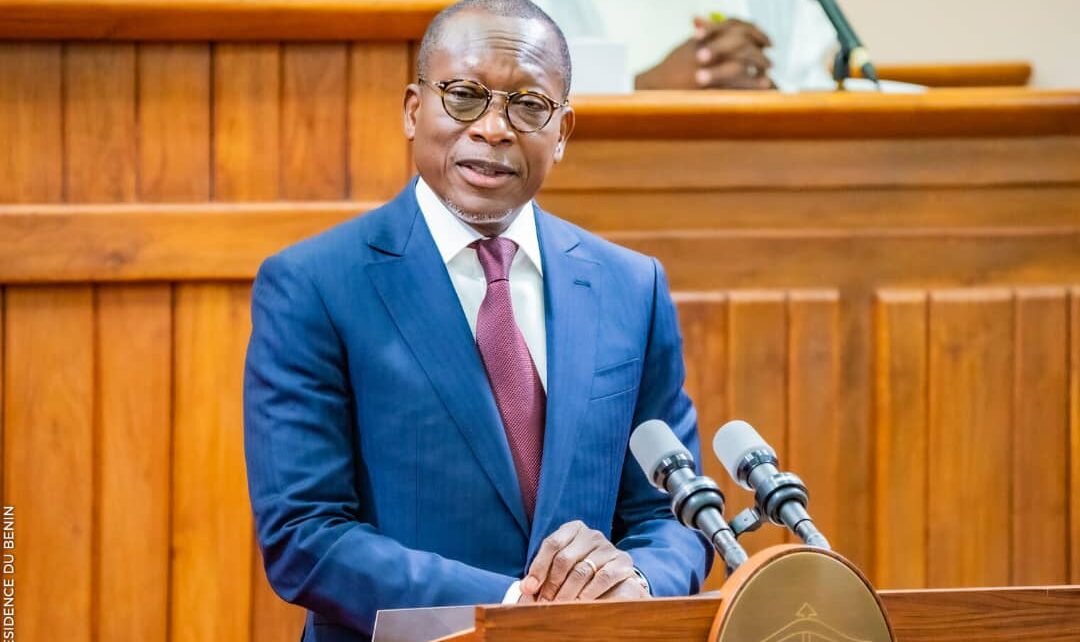
Bénin’s political landscape witnesses a dramatic shift as Patrice Talon, former President, assumes a new strategic role by taking charge of the Senate. This unexpected transition follows his peaceful handover of power to Romuald Wadagni, marking a seamless transfer that underscores the nation’s democratic resilience.
An unprecedented election ushers in a new era
In a historic vote held during the inaugural session of Bénin’s newly reformed upper house, Patrice Talon was elected as the first-ever Senate President. The session, convened on August 6, 2026, saw lawmakers unanimously endorse his candidacy, reflecting both his enduring influence and the Senate’s renewed significance in the country’s governance framework.
From the presidency to the Senate floor
After a decade at the helm of the nation, Talon’s decision to remain engaged in public affairs signals a continuation of his leadership footprint. Under the revised constitutional framework, the Senate President now stands as the second-highest authority in the state, a position that grants him pivotal oversight in monitoring government actions and shaping national policy debates.
A strategic pivot in Bénin’s political future
Observers had long anticipated Talon’s influence in this transition, given his deep ties to the “Nouveau Départ” movement and his reputation as a decisive figure in Bénin’s political evolution. His move to the Senate is seen not just as a personal career shift but as a calculated move to maintain stability and continuity in the country’s institutional framework.
As the Senate’s new leader, Talon is poised to play a central role in steering legislative agendas, ensuring checks on executive power, and fostering a balanced political environment. His presence at the helm of the upper house is expected to reinforce democratic governance while anchoring Bénin’s commitment to institutional strength and transparency.