The political landscape in Lomé has reached a critical juncture following a landmark ruling by the ECOWAS Court of Justice, which declared Togo’s 2024 constitutional amendment an unconstitutional power grab. In early August 2026, forty-three civil society organizations—both Togolese and international—issued a joint statement demanding immediate and decisive action from regional bodies against what they describe as an erosion of democratic norms.
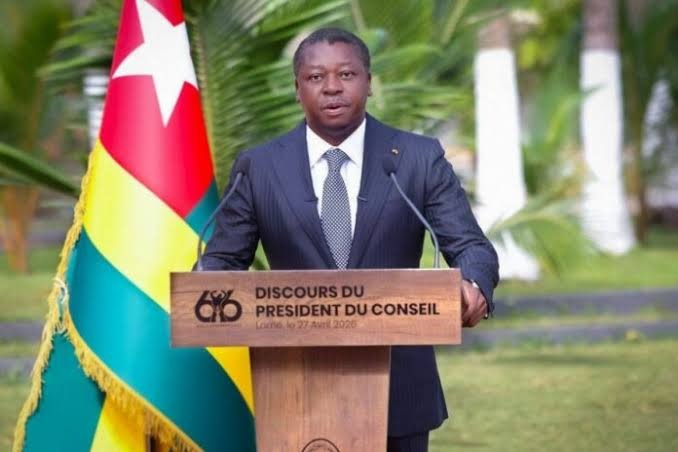
The controversial reform, spearheaded by President Faure Gnassingbé and fast-tracked through the National Assembly in May 2024, transformed the country from a presidential to a parliamentary system. Critics argue this was a deliberate maneuver to bypass presidential term limits by shifting power to the newly created role of President of the Council of Ministers.
Legal and political backlash grows
The ECOWAS Court’s ruling has galvanized civil society, providing legal validation to years of opposition from human rights groups, legal scholars, and grassroots movements. The decision underscores a broader regional concern: the weaponization of constitutional amendments to circumvent democratic safeguards.
In a strongly worded open letter, the coalition of organizations emphasized that the judgment is not merely advisory but a binding ruling under community law. Togo, as a founding member of ECOWAS, is bound by the 2001 Additional Protocol on Democracy and Good Governance, which prohibits such constitutional manipulations. The statement warns that the region cannot afford double standards—condemning military coups while tolerating their constitutional counterparts.
Calls for regional sanctions and international oversight
The demands from the civic alliance are sweeping. They are pushing for the immediate activation of ECOWAS’s democratic breach sanctions mechanism, as well as a review of Togo’s participation in regional decision-making bodies. Among their key requests:
- Enforcement of ECOWAS Protocol: Triggering punitive measures against Togolese officials complicit in undermining democratic governance.
- Diplomatic isolation: Suspending Togo’s role in regional forums until constitutional order is restored.
- UN intervention: Appointing a UN Special Rapporteur to monitor human rights violations and democratic backsliding.
- Inclusive national dialogue: Reestablishing a broad-based political consultation under international mediation.
A defining moment for West African democracy
This coordinated civic pressure places Togo at the heart of a pivotal test for ECOWAS’s credibility. For over a decade, Lomé has been scrutinized for repeated constitutional tampering, raising questions about its commitment to democratic principles. The bloc’s response in the coming weeks will determine whether regional bodies prioritize political expediency over the enforcement of their own legal frameworks. The stakes could not be higher: the integrity of West African democracy hangs in the balance.