Niamey airport targeted in deadly terror assault
The international airport of Niamey, named after the country’s first president, Hamani Diori, became the scene of a brutal terror strike on the morning of June 18, 2026. The assault, later claimed by the Support Group for Islam and Muslims—a known Al-Qaïda affiliate operating across the Sahel—left 11 soldiers, two civilians, and 22 attackers dead, according to the government’s official tally.
Sahel alliance condemns terror strike as externally fueled
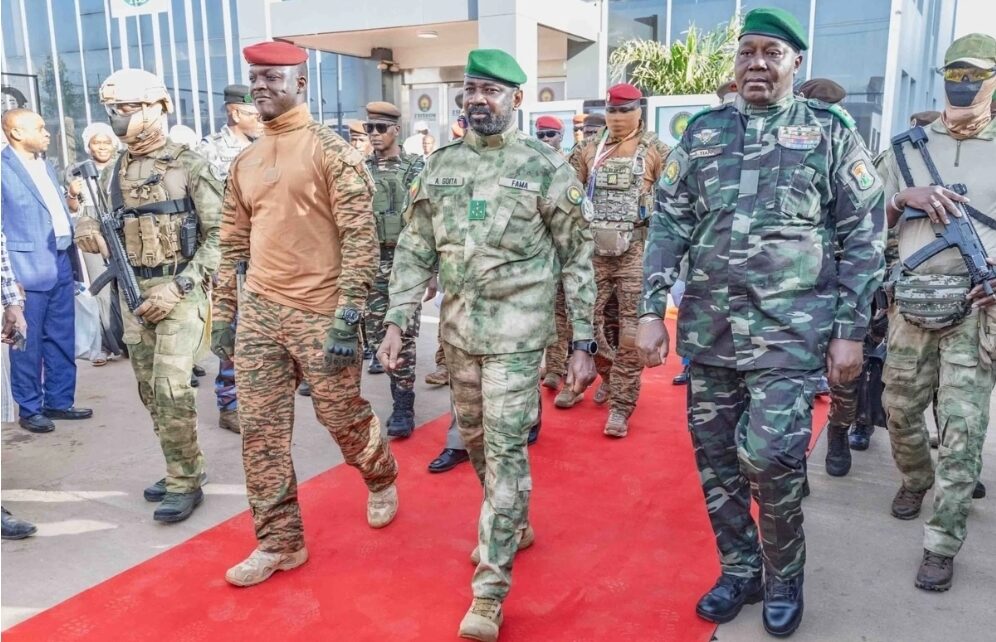
The Alliance of Sahel States (AES), formed by Niger, Mali, and Burkina Faso, swiftly denounced the attack as a cowardly and treacherous act perpetrated near one of West Africa’s most critical air transport hubs.
The alliance’s statement highlighted the attackers’ apparent goal: to cripple the operational capacity of Niger’s armed forces and reverse recent military gains against insurgent factions. The AES leadership warned that the assault underscored a disturbing trend—terrorism increasingly backed by foreign state sponsors.
Recent attacks reveal escalating regional destabilization
This strike follows a January 2026 offensive on Niamey’s Air Force Base 101, situated close to the airport, which had already triggered diplomatic fallout. The incident prompted Niger’s leader, Abdourahamane Tiani, to publicly accuse foreign officials of orchestrating destabilization efforts within the country.
Despite the surge in violence, the AES reaffirmed its resolve. In a firm declaration, the bloc emphasized that coordinated terror campaigns would not weaken their shared security strategy. Instead, the alliance framed these attacks as a catalyst for deeper unity among its member states.
The statement read, “Rather than undermining our collective momentum, these orchestrated assaults only fortify the unbreakable bond between the peoples of the Sahel and the vision of our Heads of State. Together, we remain steadfast in defending our territorial integrity, safeguarding our communities, and securing lasting peace across the Sahel.”
The attack and its aftermath signal a critical phase in the region’s fight against terror, where external interference appears to be intensifying in lockstep with local military progress.