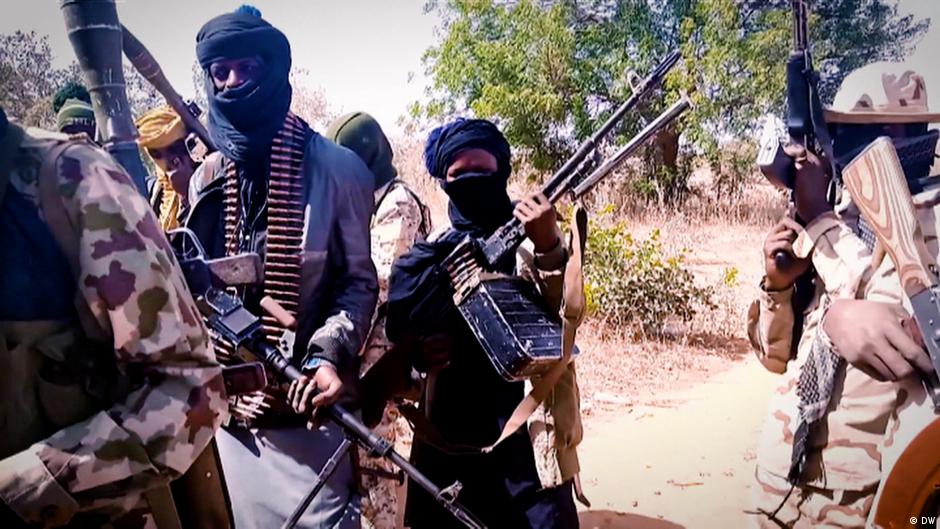
The kidnapping-for-ransom industry has evolved into a multi-million-dollar revenue stream for Boko Haram, fueling its decade-long insurgency across West Africa’s Lake Chad region. Analysts confirm the group’s funding model now relies heavily on mass abductions, with Nigeria bearing the brunt of this violent enterprise.
Rising tide of kidnappings fuels jihadist coffers
Between mid-2024 and mid-2025, security intelligence indicates nearly 1,000 kidnapping incidents occurred in Nigeria alone, resulting in over 4,700 abductions and hundreds of fatalities. While schoolchildren remain primary targets, attacks have expanded into central Nigerian states and neighboring countries. Boko Haram, designated a terrorist organization by the United Nations in 2014, shares this brutal tactic with the Islamic State’s West Africa Province (ISWAP).
The group’s operations have spilled beyond Nigeria’s borders, with recent incidents including:
- A bus hijacking in Cameroon’s Far North region, claimed by Boko Haram
- A March 2025 abduction of seven Chadian nationals near the Niger border, resulting in one fatality and six still missing
According to security researchers, these mass kidnappings serve dual purposes: forced recruitment of fighters and revenue generation through ransom payments.
Economic incentives behind abductions
Dr. Remadji Hoinathy, senior researcher at the Institute for Security Studies, explains: “Abductions serve both operational and financial objectives. They replenish militant ranks with coerced recruits while generating substantial income through ransoms demanded from families, communities, and occasionally governments.”
The financial demands reflect the group’s evolving business model. For the six Chadian hostages held in March 2025, Boko Haram initially demanded 50 million FCFA (approximately $85,000). For the sole medical professional among them, the ransom escalated to 500 million FCFA (about $850,000), according to Chadian Human Rights League reports.
Government responses: denial and covert compliance
A 2022 Nigerian anti-ransom law criminalizes payments with up to 15-year prison sentences, yet implementation remains inconsistent. Despite official denials, security sources confirm both state and federal authorities have paid ransoms to secure hostage releases.
The most controversial case involved the November 2025 abduction of 230 students and staff from a Catholic school in Niger State. Multiple intelligence sources allege Abuja transferred between €1.3 million and €6 million to Boko Haram for their release. The government attributes the operation’s success to intelligence and military action, dismissing ransom claims as unfounded.
Experts caution that acknowledging payments could embolden extremist propaganda. Meanwhile, families and communities continue circumventing the law by paying smaller ransoms directly to kidnappers.
Lake Chad Basin: the strategic heartland
Boko Haram originated in 2002 in Maiduguri, Borno State, Nigeria, under the leadership of Mohammed Yusuf. The group’s name—meaning “Western education is sinful”—reflects its rejection of secular institutions. Over time, it expanded across the Lake Chad Basin, encompassing parts of Niger, Chad, and Cameroon.
Dr. Hoinathy identifies three key advantages this region provides to militant groups:
- Geopolitical permeability: Proximity to the Sahel and Libya’s arms trafficking routes facilitates weapons and fighter movement
- State neglect: Marginalized border areas with weak government presence offer sanctuary
- Economic potential: Agricultural and pastoral production supports cross-border trade and sustains local economies
The basin’s geography—marred by islands, swamps, and dense forests—further enhances militants’ ability to evade military pressure.
ISWAP: the strategic rival
Born from a 2016 schism within Boko Haram, the Islamic State’s West Africa Province (ISWAP) initially sought to distance itself from the group’s indiscriminate violence. By pledging allegiance to ISIS, ISWAP adopted a more structured approach, focusing on governance and community engagement to consolidate power.
Today, ISWAP and Boko Haram engage in a brutal rivalry, competing for territorial control and resources. Their internecine conflict has intensified violence across the Lake Chad region, exacerbating the humanitarian crisis.
Regional counterinsurgency: coordinated yet challenged
Military responses have been largely state-driven, with Nigeria, Chad, Niger, and Cameroon participating in the Multinational Joint Task Force (MNJTF) under the Lake Chad Basin Commission. However, challenges persist:
- Coordination gaps between member states
- Persistent state absence in rural areas
- Adaptive insurgent strategies that exploit security vacuums
Dr. Hoinathy notes: “A decade into this asymmetric war, the insurgents’ resilience demonstrates the limitations of purely military solutions. Development initiatives and community stabilization programs offer complementary approaches, but results remain uneven.”
Since 2009, Boko Haram and ISWAP have claimed over 40,000 lives and displaced two million in Nigeria alone, according to UN estimates. The crisis has drawn international support, with the United States deploying approximately 200 troops to Nigeria in 2024 to train and advise local forces.